Viral Threats In Reptiles: A Comprehensive Guide For Owners
Exploring the major viral infections affecting reptiles, their symptoms, transmission, and vital management strategies for pet owners and breeders.
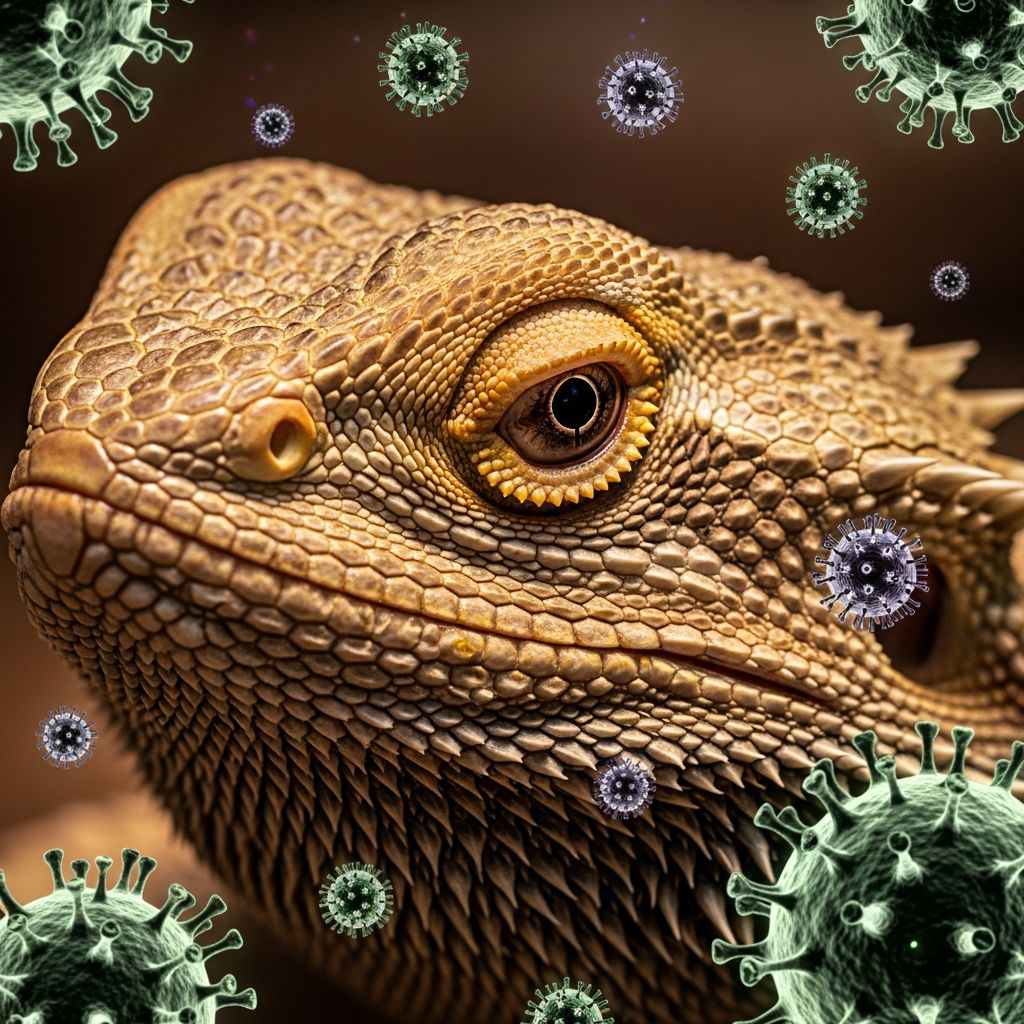
Reptiles, from pet snakes and lizards to farmed crocodilians, face significant risks from various viral pathogens. These infections often manifest subtly at first but can lead to severe illness or death, particularly in captive environments where stress and close quarters facilitate spread. Understanding these viruses is essential for reptile enthusiasts, veterinarians, and breeders to implement effective prevention and management.
Understanding Viral Infections in Reptile Populations
Viral diseases thrive in reptiles due to their unique physiology and husbandry challenges. Unlike bacteria, viruses integrate into host cells, making them harder to treat and diagnose. Common factors like poor quarantine, overcrowding, and stress from improper temperature or humidity exacerbate outbreaks. Recent studies highlight how these pathogens affect diverse species, from chelonians (turtles and tortoises) to squamates (snakes and lizards) and crocodilians.
Captive reptiles are especially vulnerable because wild populations may develop natural resistances, while pets lack exposure to build immunity. Transmission occurs via direct contact, fecal-oral routes, aerosols from respiratory secretions, or vectors like contaminated water and substrate. Early detection through vigilant observation and testing is key to curbing epidemics.
Key Viral Pathogens and Their Impacts
Several virus families dominate reptile virology, each targeting specific organs and species. Below, we delve into the most prevalent ones, detailing clinical presentations and affected taxa.
Herpesviruses: Stealthy Invaders Across Species
Herpesviruses, large DNA viruses with envelopes, infect a broad spectrum of reptiles including lizards, snakes, turtles, tortoises, and crocodilians. Symptoms vary widely: weakness, anorexia, oral plaques, vomiting, nasal discharge, eyelid swelling, neurological deficits, and pneumonia. In sea turtles, they drive fibropapillomatosis—tumorous skin growths—and gray patch disease.
In tortoises, testudinid herpesviruses (TeHV1-4) cause severe stomatitis, glossitis, rhinitis, conjunctivitis, and hepatitis, often with intranuclear inclusions in affected tissues. Freshwater turtles suffer hepatic necrosis, while farmed green sea turtles experience lung-eye-trachea disease. Python and boa infections link to proliferative pneumonia and skin lesions. Diagnosis relies on PCR, histology, and electron microscopy; no cure exists, but reducing stress lowers incidence.
Adenoviruses: A Major Concern for Lizards and Snakes
These non-enveloped DNA viruses strike bearded dragons, kingsnakes, monitors, chameleons, and various snakes like ball pythons and boa constrictors. Juveniles, especially bearded dragons aged 4-7 months, show lethargy, weight loss, inappetence, diarrhea, elevated liver enzymes, and sudden death. Pathology includes hepatitis, enteritis, and neurological issues; mortality is high without intervention.
Fecal-oral transmission predominates in bearded dragons. Supportive care—fluids, nutrition, antibiotics for secondary infections—boosts survival rates. PCR confirms infection postmortem or via biopsies. Crocodilians also succumb, underscoring the virus’s versatility.
Ranaviruses and Iridoviruses: Deadly for Chelonians and Geckos
Ranaviruses (iridovirus genus) affect box turtles, flat-tail geckos, green tree pythons, and Hermann’s tortoises. Lesions include tongue ulceration, liver necrosis, nasal mucosa damage, stomatitis, rhinitis, edema, and abscesses. Australian geckos develop progressive anemia; some cases are subclinical.
Iridoviruses cause multi-system failure, from sudden death to respiratory and cutaneous signs. High viremia in reptiles suggests amplification host potential for broader ecosystems. Isolation and euthanasia of positives prevent spread.
Paramyxoviruses: Ferlavirus and Nidovirus Respiratory Perils
Ferlavirus (paramyxoviridae) hits viperid and non-venomous snakes, plus lizards, causing respiratory distress: nasal discharge, open-mouth breathing, oral pus, labored respiration, and occasional neurological signs like tremors. Highly contagious via secretions, it invites bacterial superinfections.
Nidoviruses, including reptarenaviruses, cause Inclusion Body Disease (IBD) in boas and pythons. Boas endure chronic courses with regurgitation, anorexia, and nervous signs; pythons face acute neurological collapse and rapid death. Ball pythons show pneumonia, tracheitis, and rhinitis.
Other Notable Viruses: Pox, Papilloma, Reo, and West Nile
- Poxviruses: Envelope DNA viruses in crocodilians, lizards, tortoises; skin lesions on head and body plague alligator farms.
- Papillomaviruses: Non-enveloped DNA types in green lizards (bite-transmitted papillomas), side-neck turtles (skin/shell lesions), Russian tortoises. Surgical excision for singles, but recurrence common; isolate affected.
- Reoviruses: RNA viruses mimicking other pathologies in lizards, snakes, tortoises; diagnosis tricky.
- West Nile Virus: Epizootics in farmed alligators yield multiorgan necrosis, encephalitis; reptiles amplify viremia.
Diagnostic Approaches for Reptile Viruses
Confirming viral etiology demands advanced tools: histology reveals inclusions, PCR detects genetic material, serology checks antibodies, electron microscopy visualizes particles, and culture isolates virus. Costs and postmortem needs challenge antemortem diagnosis. Emerging PCR panels target multiple viruses efficiently.
| Method | Best For | Limitations |
|---|---|---|
| Histology | Inclusions, necrosis | Postmortem only |
| PCR | Specific ID, live samples | Requires lab |
| Electron Microscopy | Viral particles | Expensive, specialized |
| Serology | Exposure history | Doesn’t confirm active disease |
Prevention Strategies: Biosecurity First
Quarantine new arrivals 90+ days with testing. Maintain species-specific husbandry: optimal temperatures (28-32°C for most), UVB, hygiene. Avoid mixing species; disinfect with bleach (1:32). Stress reduction via proper enclosure size and diet curbs activation. Vaccination absent, but biosecurity thwarts introduction.
Treatment Options: Supportive and Experimental
No antivirals cure reptile viruses routinely. Supportive therapy—hydration, assisted feeding, antibiotics for opportunists—sustains patients. Human drugs like acyclovir, ribavirin, cidofovir show promise experimentally but need vet oversight for dosing and monitoring. Euthanasia considers welfare in terminal cases.
FAQs on Reptile Viral Diseases
Can I keep different reptile species together?
No—cross-species housing risks viral jumps. Separate by taxon.
How do I spot early IBD in boas?
Watch for twisting, head tremors, poor feeding persisting weeks.
Is adenovirus curable in bearded dragons?
Not directly; supportive care aids juvenile recovery, but carriers persist.
What role do wild reptiles play?
They reservoir viruses like West Nile, amplifying for mosquitoes.
Should I test every new reptile?
Yes, PCR panels for high-risk viruses during quarantine.
Future Directions in Reptile Virology
Ongoing research maps viral genomics for vaccines and rapid tests. Climate shifts may expand ranges, heightening zoonotic risks. Owners must prioritize evidence-based care amid evolving threats.
References
- Common Reptile Viral Diseases — Reptiles Magazine. 2023. https://reptilesmagazine.com/common-reptile-viral-diseases/
- Viral Diseases of Reptiles — Merck Veterinary Manual. 2023-10-15. https://www.merckvetmanual.com/exotic-and-laboratory-animals/reptiles/viral-diseases-of-reptiles
- Emerging Reptile Viruses — PMC – NIH. 2020-04-01. https://pmc.ncbi.nlm.nih.gov/articles/PMC7152284/
- Reptile Virology – Understanding It and How to Make… — CABI Digital Library. 2015. https://www.cabidigitallibrary.org/doi/pdf/10.5555/20153171093
- Viruses of Reptiles — Wiley Online Library. 2022. https://onlinelibrary.wiley.com/doi/10.1002/9781119608370.ch13
Similar Articles








Read full bio of Sneha Tete