
Viral Threats In Aquarium Fish: 5 Prevention Strategies
Essential guide to recognizing, managing, and preventing viral infections that endanger popular aquarium species like koi, carp, and tropical fish.
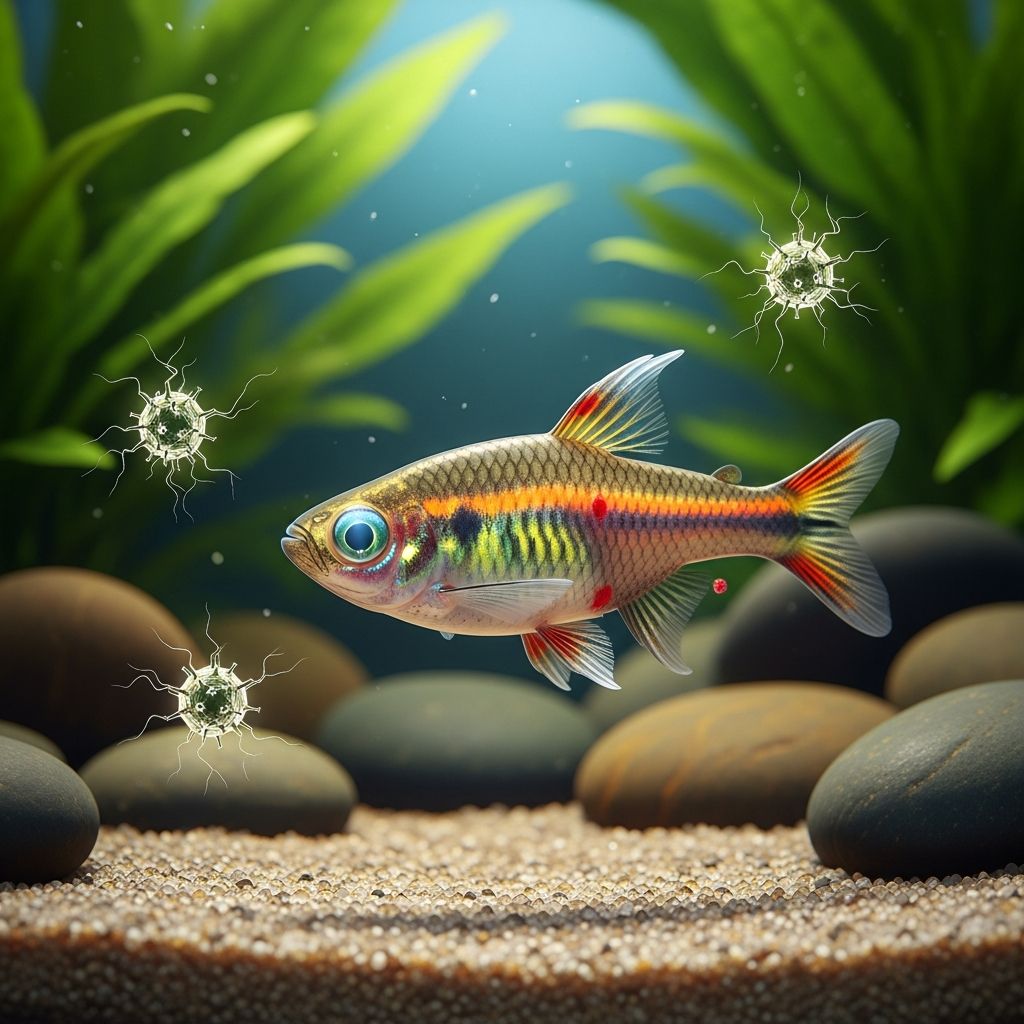
Viral infections represent some of the most challenging health issues for aquarium fish enthusiasts. These microscopic pathogens target a wide range of species, from ornamental koi to tropical community tank dwellers, often leading to high mortality rates especially among juveniles. Unlike bacterial infections, which respond to antibiotics, viral diseases lack specific cures, emphasizing the importance of prevention through quarantine, water quality maintenance, and sourcing certified pathogen-free stock.
Understanding Fish Viruses: Biology and Impact
Fish viruses differ from those affecting warm-blooded animals due to their adaptation to colder temperatures. They thrive within specific thermal ranges, often becoming latent outside optimal conditions. This temperature sensitivity offers a management tool, as slight adjustments can suppress outbreaks. Many viruses cause subclinical infections in adults, who act as carriers, transmitting pathogens to fry via water, feces, or direct contact. Regulatory bodies classify several as notifiable, requiring reporting to prevent spread in aquaculture and hobbyist settings.
Over 125 viruses have been identified in fish, though most research focuses on commercial species. Aquarium hobbyists face risks from imported ornamentals, where stress from shipping exacerbates susceptibility. Common signs include lethargy, gill discoloration, hemorrhages, and behavioral changes like surfacing or flashing, which overlap with parasitic or bacterial issues, complicating diagnosis without lab confirmation.
Herpesvirus Infections: Persistent Skin and Gill Pathogens
Herpesviruses in the Alloherpesviridae family pose ongoing threats to cyprinid fish like carp and koi. These DNA viruses establish lifelong infections, reactivating under stress or ideal temperatures.
Carp Pox: The Ancient Skin Affliction
Caused by Cyprinid herpesvirus-1, carp pox manifests as raised, milky papillomas on the skin and fins of common carp and koi. These lesions resemble human warts, rarely fatal but cosmetically damaging and prone to secondary bacterial invasions. Fish develop immunity over time, with lesions regressing into scars. Transmission occurs horizontally through water or vertically via eggs. Prevention hinges on inspecting new additions and maintaining stable temperatures below outbreak thresholds.
Koi Herpesvirus: A Lethal Gill Attacker
Koi herpesvirus (CyHV-3) devastates koi and common carp at 22–27°C, peaking mortality at 22–25.5°C. Symptoms include mottled, hemorrhagic gills, sunken eyes, lethargy, and respiratory distress. Mortality can exceed 80% in fry, with survivors becoming carriers. Goldfish and grass carp carry asymptomatically. Quarantine new fish for 4–6 weeks and avoid temperature spikes. PCR testing confirms infection; no vaccines are widely available for hobbyists.
Other Notable Herpesviruses
- Herpesviral Hematopoietic Necrosis: Targets salmonids but experimentally affects some ornamentals, causing anemia and organ necrosis.
- Angelfish Herpesvirus: Leads to skin erosions and high fry losses in angelfish (Pterophyllum scalare).
Rhabdovirus Diseases: Hemorrhagic Killers
Rhabdoviruses, bullet-shaped RNA viruses, trigger systemic hemorrhages in multiple species. They are OIE-notifiable, underscoring their economic impact.
Viral Hemorrhagic Septicemia (VHS)
VHS, caused by a Novirhabdovirus, affects over 50 species, including experimentally susceptible koi (genotype IVb). Signs include pinpoint hemorrhages, pale gills, exophthalmia, and ascites. Great Lakes outbreaks highlight freshwater risks. No treatments exist; destroy infected stock and disinfect thoroughly. Early detection via cell culture or PCR is crucial.
Spring Viremia of Carp (SVC)
This rhabdovirus strikes cyprinids like koi, common carp, and potentially goldfish. Nonspecific symptoms—darkening, protruding vents, swim bladder bleeds—appear in spring at 10–18°C. Reportable in the US as a foreign disease. Prevention: Avoid importing from endemic areas; use SPF broodstock.
Iridoviruses: Giant Cells and Organ Failure
Iridoviruses feature large icosahedral particles causing hypertrophied cells visible in histopathology. They plague marine and tropical fish.
Lymphocystis: The Warty Growth Disease
This iridovirus induces massive, cauliflower-like skin nodules in flatfish and ornamentals. Benign but disfiguring, it regresses spontaneously. Avoid crowding to minimize spread.
Megalocytiviruses: Tropical Terrors
Grouping RSIV, ISKNV, and TRBIV, these viruses hit >30 marine species, including aquarium tropicals. Symptoms: lethargy, pale organs, splenomegaly. Giemsa-stained spleen preps reveal basophilic inclusions; PCR differentiates strains. High fry mortality; not all reportable in the US.
Dwarf Gourami Iridovirus (DGIV)
Emerging in Southeast Asian imports, DGIV causes kidney/spleen necrosis, ascites, and lesions in dwarf gouramis. High fatalities; other gouramis less affected. Quarantine imports rigorously.
Diagnostic Approaches for Viral Suspicions
Visual cues alone mislead; confirm via:
- Necropsy: Hemorrhages, organ pallor, inclusions.
- Histopathology: Basophilic hypertrophy (iridoviruses), intranuclear inclusions (herpesviruses).
- PCR/Virology: Gold standard for speciation.
| Disease | Key Lesion | Diagnostic Test |
|---|---|---|
| KHV | Gill mottling | PCR on gill biopsy |
| VHS | Swim bladder petechiae | Cell culture/PCR |
| Megalocytivirus | Spleen hypertrophy | Giemsa stain + PCR |
Prevention Strategies: Building a Virus-Resistant Tank
Proactive measures trump reaction:
- Quarantine: 30–60 days for newcomers in separate systems.
- SPF Stock: Source certified pathogen-free fish.
- Water Management: UV sterilization, ozone, stable temperatures.
- Biosecurity: Disinfect nets/tools; avoid wild catches.
- Monitoring: Regular health checks, especially pre-breeding.
Vaccines exist for some aquaculture viruses but not hobbyist scales. Temperature manipulation suppresses replication in herpesviruses.
Management During Outbreaks
Isolate affected fish immediately. Supportive care—optimal oxygen, nutrition—bolsters immunity. Antibiotics combat secondaries, but euthanasia may be humane for mass die-offs. Disinfect with chlorine or Virkon; fallow tanks 4–6 weeks.
Emerging Viral Concerns in Aquariums
New reports link viruses to bettas, discus, and clownfish. Climate change and trade expand ranges. Hobbyists should track OIE updates and join forums for alerts.
Frequently Asked Questions (FAQs)
Can aquarium fish viruses spread to humans?
No, fish viruses are host-specific and pose no zoonotic risk.
Is there a treatment for koi herpesvirus?
No curative therapy; focus on prevention and supportive care.
How do I know if my fish has a virus?
Consult a vet for histopathology or PCR; symptoms mimic other diseases.
Can I use salt for viral infections?
Salt aids osmoregulation but doesn’t eliminate viruses.
Are goldfish carriers for koi viruses?
Yes, goldfish can carry KHV asymptomatically.
Conclusion: Vigilance Ensures Vibrant Aquariums
Mastering viral threats demands knowledge and diligence. By prioritizing biosecurity, aquarists can enjoy thriving tanks free from these insidious pathogens.
References
- Viral Diseases of Fish — Merck Veterinary Manual. 2023-10-15. https://www.merckvetmanual.com/exotic-and-laboratory-animals/aquarium-fish/viral-diseases-of-fish
- Viral Aquarium Fish Diseases — Tropical Fish Hobbyist Magazine. 2015-01-01. https://www.tfhmagazine.com/articles/freshwater/viral-diseases-of-aquarium-fishes-full-article
- Viral Diseases – Clinical Guide to Fish Medicine — Wiley Online Library. 2021-06-01. https://onlinelibrary.wiley.com/doi/abs/10.1002/9781119259886.ch24
- Fish Diseases of Regulatory Concern — USDA Animal and Plant Health Inspection Service. 2024-02-01. https://www.aphis.usda.gov/aphis/ourfocus/animalhealth/animal-disease-information/aquaculture
- OIE-Listed Diseases of Fish — World Organisation for Animal Health (WOAH). 2025-01-20. https://www.woah.org/en/what-we-do/animal-health-and-welfare/animal-diseases/
Similar Articles








Read full bio of medha deb


