
Viral Arthritis In Poultry: Diagnosis, Prevention, And Control
Understanding the causes, symptoms, diagnosis, and prevention strategies for viral arthritis in chickens and turkeys to safeguard flock health.
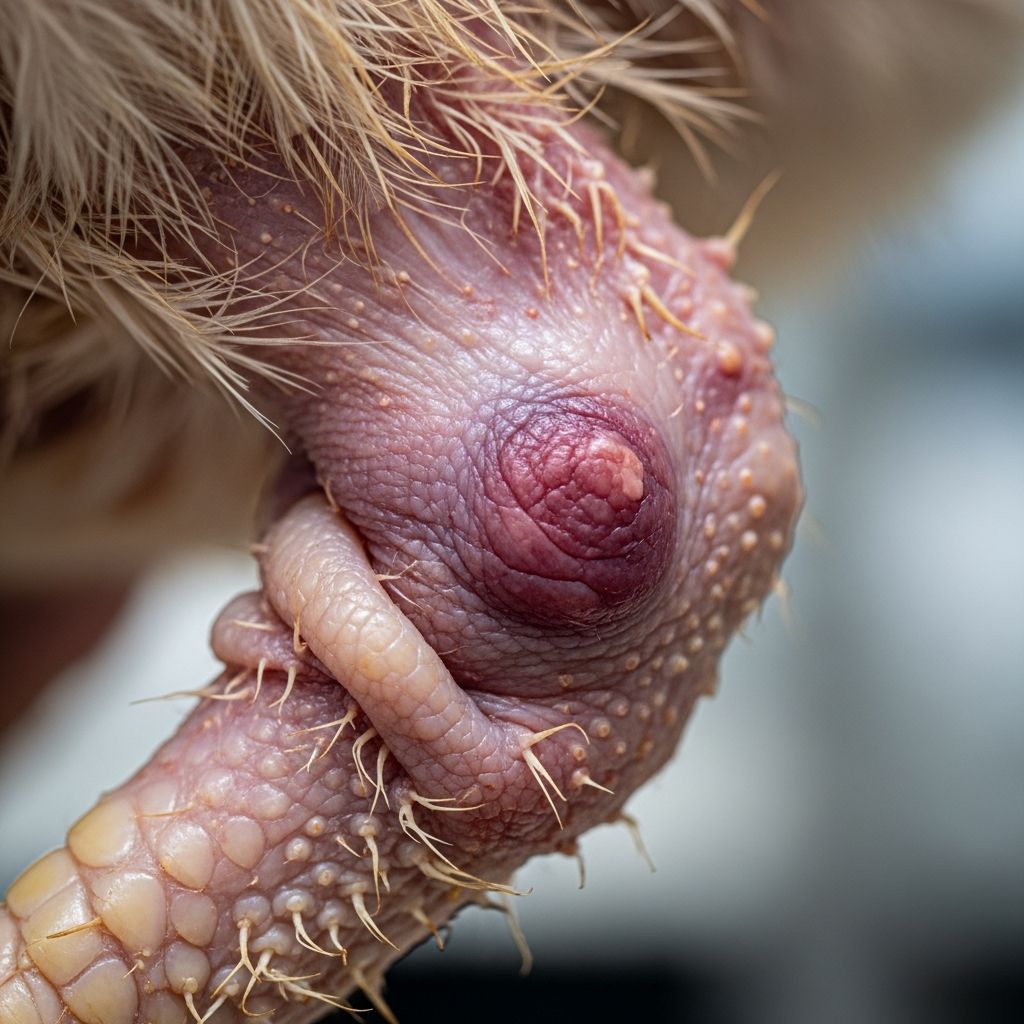
Viral arthritis, also known as tenosynovitis, represents a significant challenge in poultry production, primarily affecting chickens and turkeys. This condition arises from infection with avian reoviruses, leading to joint and tendon inflammation that impairs mobility and growth. Prompt recognition and management are essential to mitigate its impact on flock performance and welfare.
The Nature of the Pathogen
Avian reoviruses belong to a group of viruses that target various tissues in birds, with certain strains specializing in musculoskeletal damage. These viruses exhibit remarkable resilience, surviving exposure to heat, chemicals like ether and chloroform, and a broad pH range, which complicates environmental control efforts. Transmission occurs horizontally via fecal contamination and vertically from hens to chicks, allowing persistent carrier states in flocks for extended periods, sometimes exceeding 250 days.
Different serotypes exist, with at least five identified in chickens, each varying in pathogenicity and tissue tropism. Some strains provoke mild subclinical infections, while others induce severe systemic effects, including pericarditis, hepatitis, or immunosuppression. This variability underscores the need for strain-specific diagnostic approaches.
Clinical Manifestations and Flock Impact
The hallmark signs emerge 3 to 14 days post-infection, depending on the bird’s age, virus strain, and exposure route. Affected birds display unilateral or bilateral swelling in hock joints (tibiotarsus-tarsometatarsus), digital flexor tendons, and metatarsal extensors. This leads to acute lameness, reduced mobility, and reluctance to access feed and water, culminating in poor weight gain and unthriftiness.
In broilers, particularly heavier individuals, tendon rupture—often of the gastrocnemius—can occur, resulting in outwardly deviated legs and a characteristic “green hock” appearance due to hemorrhage and fibrosis. Morbidity reaches up to 10-20% in severe outbreaks, though mortality remains low unless complicated by secondary infections. Processing plants frequently condemn affected carcasses, amplifying economic losses.
- Common Symptoms:
- Lameness and stumbling gait
- Hock joint inflammation with turbid exudate
- Swollen tendon sheaths
- Reduced growth rates and uniformity
- Occasional systemic signs like hydropericardium
Younger flocks are especially vulnerable, showing higher prevalence of clinical disease and condemnations at slaughter. In breeders and layers, the disease may manifest subtly as leg weakness, impacting egg production indirectly.
Pathophysiology: How Infection Progresses
Upon entry, the virus replicates in the gut before disseminating to synovial tissues and tendons. Inflammation arises from immune-mediated responses, causing edema, synovial exudates, and lymphoid aggregates. Chronic cases evolve into fibrosis, weakening tendons prone to rupture under weight-bearing stress. Co-infections with bacteria like Staphylococcus aureus, Escherichia coli, or Mycoplasma synoviae exacerbate lesions, turning mild arthritis into debilitating conditions.
Histopathology reveals tenosynovitis, epicarditis, and bursitis, confirming systemic involvement. The virus’s age-dependency means chicks inoculated early suffer more intensely, highlighting maternal antibodies’ protective role.
Differential Diagnosis: Ruling Out Mimics
Several conditions mimic viral arthritis, necessitating thorough investigation. Bacterial causes like staphylococcosis, erysipelas, salmonellosis, and mycoplasmosis produce similar leg swellings. Viral differentials include Marek’s disease, which causes paralysis, and nutritional deficiencies such as rickets or vitamin B shortages. Management factors like poor incubation or handling also contribute to lameness.
| Condition | Key Features | Diagnostic Clue |
|---|---|---|
| Viral Arthritis | Hock/tendon swelling, low mortality | Reovirus isolation, ELISA serology |
| Mycoplasmosis | Synovitis, respiratory signs | PCR for Mycoplasma |
| Staphylococcosis | Abscesses, high pus | Bacterial culture |
| Marek’s Disease | Paralysis, tumors | Histopathology, nerve lesions |
| Nutritional Lameness | Soft bones, uniform flock | Blood chemistry, response to supplements |
Laboratory Confirmation Methods
Definitive diagnosis integrates history, gross lesions, histopathology, serology, and virus isolation. Collect tendons, hocks, and hearts from lame birds at peak clinical signs. ELISA detects antibodies, with rising titers indicating active infection. Immunofluorescence assay (IFA), agar gel diffusion (DID), or PCR identifies the virus. Culture in Vero cells or embryonated eggs isolates viable virus for typing, distinguishing pathogenic from commensal strains.
Molecular genotyping reveals emerging variants mismatched to commercial vaccines, guiding autogenous vaccine development. Early submission to accredited labs ensures accurate monitoring.
Prevention Strategies: Vaccination and Beyond
No curative treatment exists; focus shifts to prevention. Maternal immunity via breeder vaccination protects broilers. Protocols typically involve live vaccines administered in ovo or at hatch (e.g., strain 11/33), followed by inactivated boosters before lay. Autogenous vaccines target field isolates, addressing variant emergence noted since 2009-2011 in North America.
Biosecurity is paramount: all-in/all-out systems, rigorous hygiene, and rodent control curb horizontal spread. Lighting adjustments manage growth in affected flocks, reducing tendon stress. Ongoing surveillance programs track prevalence and vaccine efficacy.
Economic and Welfare Implications
Outbreaks erode profitability through culls, condemnations, and antibiotic use for secondaries. Welfare suffers from pain-induced immobility, prompting ethical concerns. Proactive monitoring averts these issues, sustaining productivity.
Emerging Challenges and Future Directions
Recent genotypes evade legacy vaccines, spurring research into broader-spectrum immunogens. Collaborative efforts, like those at universities, test autogenous efficacy via challenge models. Enhanced diagnostics and global surveillance will fortify resilience against evolving threats.
Frequently Asked Questions (FAQs)
What causes viral arthritis in poultry?
Avian reoviruses, particularly pathogenic strains targeting joints and tendons.
How do I recognize it in my flock?
Look for leg swelling, lameness, and green hocks in broilers; submit samples for confirmation.
Is there a treatment?
No specific antiviral; manage symptoms and prevent secondaries while prioritizing vaccination.
How effective are vaccines?
Highly effective when matched to strains; combine live and killed types for robust immunity.
Can it affect turkeys too?
Yes, turkeys experience similar arthritis since outbreaks around 2009.
References
- Current limitations in control of viral arthritis and tenosynovitis caused by avian reovirus — PubMed/NCBI. 2017-01-01. https://pubmed.ncbi.nlm.nih.gov/28024855/
- Viral arthritis in broiler chickens — Texas A&M Veterinary Medical Diagnostic Laboratory. Accessed 2026. https://tvmdl.tamu.edu/case-studies/viral-arthritis-in-broiler-chickens/
- Viral Arthritis (VA) — Poultry Health Services. Accessed 2026. https://poultryhealth.ca/viral-arthritis-va/
- Viral Arthritis (Tenosynovitis) — Poultry Hub Australia. Accessed 2026. https://www.poultryhub.org/all-about-poultry/health-management/disease/viral-arthritis-tenosynovitis
- Reovirus — Government of British Columbia. 2024-03-05. https://www2.gov.bc.ca/assets/gov/farming-natural-resources-and-industry/agriculture-and-seafood/animal-and-crops/animal-disease/reo_updated_20240305.pdf
Similar Articles








Read full bio of medha deb


