

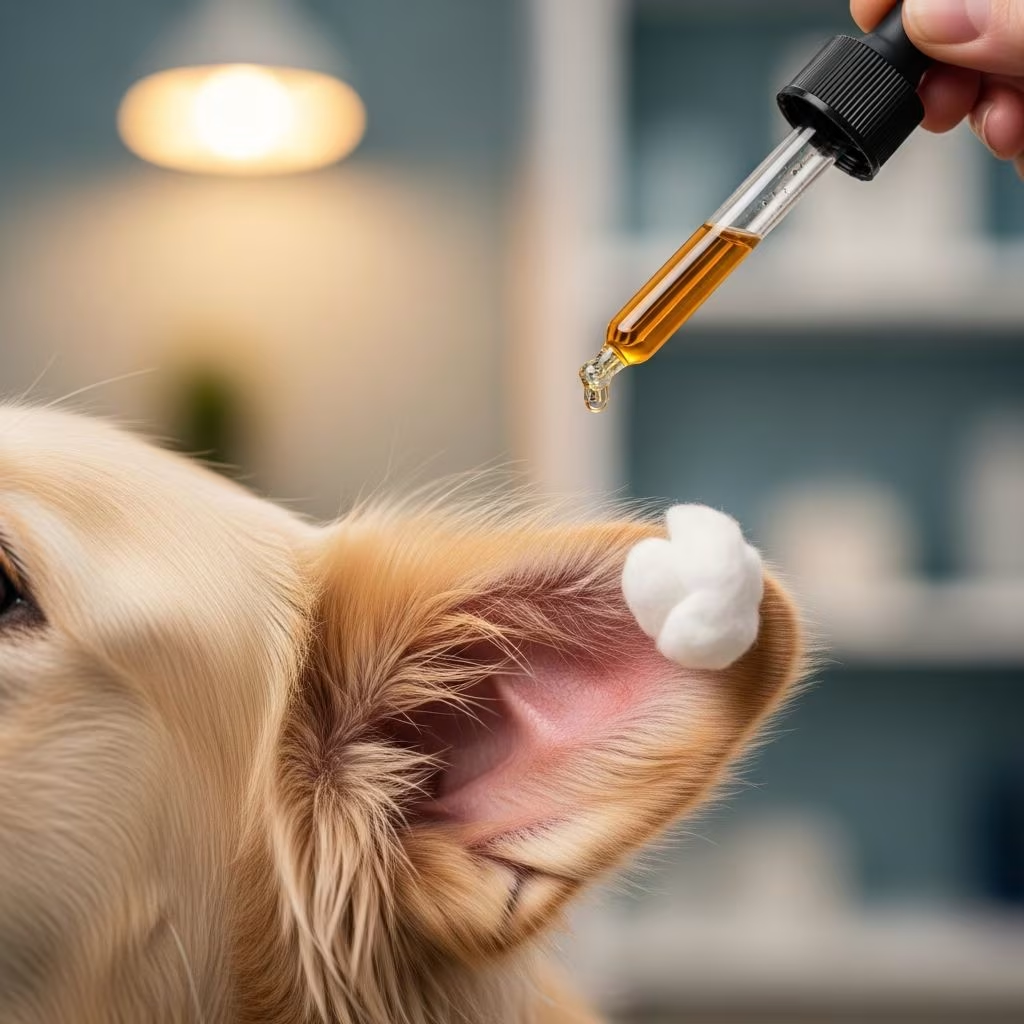
Ear infections represent one of the most common health concerns affecting dogs, causing discomfort, frequent scratching, and potential complications if left untreated. Many pet owners search for accessible home remedies while maintaining their dog’s overall ear health. Vinegar, particularly apple cider vinegar, has gained attention among dog owners as a potential supplementary approach to ear care. Understanding how vinegar works, when it may be beneficial, and how to use it safely is essential for any pet owner considering this natural option.
Understanding Canine Ear Infections
Dogs develop ear infections through various pathways, with bacterial and fungal organisms being the primary culprits. The ear canal’s warm, moist environment creates ideal conditions for microbial growth, especially in breeds with floppy ears or excessive ear hair. Environmental allergens, moisture from swimming, and underlying skin conditions can all contribute to infection development. Recognizing early symptoms allows for prompt intervention before infections become severe.
Common Symptoms and Warning Signs
- Persistent scratching and pawing at the affected ear
- Head shaking or tilting toward the infected side
- Visible discharge ranging from clear to thick and discolored
- Foul or unusual odors emanating from the ear canal
- Redness and inflammation of the ear flap or canal opening
- Behavioral changes including irritability or sensitivity to touch
- Crusting or scabbing around the ear area
Dogs experiencing these symptoms require veterinary evaluation to determine the underlying cause. While vinegar-based approaches may support ear health maintenance, they should complement—not replace—professional diagnostic assessment and treatment recommendations.
How Apple Cider Vinegar Functions in Ear Care
Apple cider vinegar contains acetic acid, which creates an acidic environment inhospitable to many fungal organisms, particularly yeast. The acidic nature of vinegar alters the pH balance within the ear canal, making it less favorable for microbial proliferation. Additionally, vinegar possesses antimicrobial properties that may help combat certain bacterial strains, though its effectiveness varies depending on the specific infection type.
The compound’s natural composition includes beneficial enzymes and minerals that some advocates claim support immune function and healing. However, the scientific evidence supporting vinegar’s efficacy against serious bacterial infections like pseudomonas remains limited compared to conventional antibiotics. Vinegar works best as a preventive measure or supplementary treatment for mild cases under veterinary supervision.
Limitations and Important Considerations
While vinegar offers a natural approach, it is not suitable for all situations. Dogs with ruptured eardrums face potential complications from introducing any liquid into the ear canal, and vinegar can cause additional irritation in these cases. Severe infections characterized by thick, pus-like discharge or extreme inflammation typically require pharmaceutical intervention for adequate relief. Using vinegar inappropriately or delaying professional treatment for serious infections can result in permanent hearing loss or spreading infection.
Vinegar Application Methods for Ear Health
Proper preparation and application technique significantly impact safety and potential effectiveness. Pet owners must follow specific protocols to minimize irritation and maximize any therapeutic benefit.
Preparing the Vinegar Solution
The standard approach involves creating an equal-parts mixture of apple cider vinegar and water. This dilution reduces the vinegar’s acidity to a level less likely to irritate sensitive ear tissues while maintaining antimicrobial properties. Some veterinary professionals recommend using distilled water to avoid introducing additional minerals or contaminants. The solution should be prepared fresh for each application, as shelf stability may diminish over time.
For topical application, drawing the solution into a clean syringe or dropper allows controlled delivery. Avoid inserting bottle tips directly into the ear canal, as this risks transferring bacteria and creating cross-contamination. If using a bottle with a dropper, sanitize the tip with an alcohol-soaked cotton ball between applications.
Step-by-Step Application Process
- Begin with thorough ear cleaning using a veterinarian-recommended medicated or non-medicated ear cleanser to remove discharge and debris
- Gently dry the ear canal with clean cotton balls or gauze pads, ensuring moisture removal
- Draw the prepared vinegar solution into a syringe or dropper
- Position your dog comfortably and gently pull the ear flap upward to straighten the canal
- Apply 5 to 10 drops of the solution into the ear canal
- Massage the base of the ear gently for 30 to 60 seconds to distribute the solution
- Allow your dog to shake the ear naturally to expel excess solution
- Wipe away any external residue with a clean cloth
Frequency typically ranges from once daily to four times daily, depending on infection severity and veterinary guidance. Most treatment protocols recommend consistency for a minimum of 14 days to assess effectiveness. Discontinue use immediately if your dog shows signs of increased irritation, pain, or adverse reactions.
Vinegar Versus Professional Veterinary Treatments
Understanding the differences between natural remedies and professional medical interventions helps pet owners make informed decisions about their dog’s care.
| Treatment Approach | Best For | Advantages | Limitations |
|---|---|---|---|
| Vinegar Solutions | Mild infections, prevention, supplementary support | Natural, accessible, low cost, minimal side effects | Limited efficacy for serious infections, requires consistency, slower results |
| Medicated Ear Drops | Confirmed bacterial or fungal infections | Targeted antimicrobial action, rapid relief, prescription-strength | Potential side effects, requires veterinary diagnosis, higher cost |
| Oral Medications | Severe or systemic infections | Addresses infection internally, treats whole-body symptoms | Systemic side effects possible, longer treatment duration |
| Anti-inflammatory Treatments | Pain and swelling reduction | Provides comfort, reduces secondary damage | Does not eliminate infection, requires concurrent antimicrobial therapy |
When Professional Treatment is Essential
Certain situations demand immediate veterinary consultation rather than home remedies. Infections showing no improvement after 7 to 10 days of consistent treatment require professional assessment to identify the underlying organism and adjust the approach accordingly. Chronic or recurring infections may indicate underlying allergies, immune issues, or anatomical factors requiring specialist evaluation. Visible signs of severe inflammation, pus production, or suspected eardrum rupture necessitate professional imaging and diagnosis before any home treatment begins.
Supporting Ear Health Through Preventive Measures
Regular ear maintenance reduces infection risk significantly. Establishing a routine ear cleaning schedule, especially for breeds predisposed to infections, helps identify problems early. After swimming or bathing, thoroughly dry your dog’s ears to prevent moisture accumulation that encourages microbial growth. Trimming excess ear hair in appropriate dog breeds improves air circulation within the canal.
Diet quality influences immune function and skin health, potentially impacting ear infection susceptibility. Dogs with allergies—whether food-related or environmental—experience higher infection rates due to inflammation and compromised skin barriers. Addressing underlying allergies through dietary adjustment or allergen management may provide long-term benefits beyond treating individual infections.
Common Questions About Vinegar and Dog Ear Care
Is vinegar safe for all dogs?
While generally safe for topical use, dogs with ruptured eardrums, sensitive skin, or severe ear inflammation should avoid vinegar solutions without veterinary approval. Always perform a patch test on healthy ear tissue first if your dog has never been exposed to vinegar treatments. Some dogs may experience increased irritation despite proper dilution.
How long does vinegar treatment take to show results?
Most mild infections show improvement within 7 to 14 days of consistent vinegar application. However, results vary significantly based on infection type and severity. If no improvement occurs within two weeks, seek professional evaluation rather than continuing unsupervised treatment.
Can vinegar replace antibiotics for bacterial infections?
No. While vinegar possesses antimicrobial properties, it lacks the potency of prescription antibiotics for serious bacterial infections. Attempting vinegar-only treatment for confirmed bacterial infections risks allowing the infection to spread or become chronic. Vinegar works best as a supplementary measure alongside prescribed medications.
What type of vinegar is most effective?
Apple cider vinegar with the “mother”—the cloudy sediment containing beneficial bacteria and enzymes—is often recommended, though research supporting this preference remains limited. White vinegar works similarly due to comparable acetic acid content. Avoid flavored or commercial vinegars containing additives.
Integrating Vinegar Into a Comprehensive Ear Care Plan
The most effective approach combines vinegar’s preventive and supplementary benefits with professional veterinary oversight. Dogs with mild ear irritation or those prone to infections may benefit from periodic vinegar rinses between veterinary visits. However, any established infection requires professional diagnosis before beginning any treatment, including vinegar.
Your veterinarian can recommend whether vinegar complements your dog’s specific situation or whether prescription medications are necessary. Some dogs respond well to vinegar combined with medicated ear cleaners, while others require stronger antimicrobial agents. Maintaining open communication with your veterinary team ensures your dog receives optimal care.
Consistent ear monitoring, appropriate cleaning practices, and prompt attention to early infection symptoms significantly reduce the need for intensive treatment. When infections do occur, having both natural remedies and professional resources available ensures you can respond appropriately to your individual dog’s needs.
References
- Instructions for Ear Cleaning in Dogs — VCA Animal Hospitals. https://vcahospitals.com/know-your-pet/instructions-for-ear-cleaning-in-dogs
- How to Clean Your Dog’s Ears — Cornell University College of Veterinary Medicine, Riney Canine Health Center. https://www.vet.cornell.edu/departments-centers-and-institutes/riney-canine-health-center/canine-health-topics/how-clean-your-dogs-ears
- Dog Ear Infections — PetMD. https://www.petmd.com/dog/conditions/dog-ear-infections
- Treatment of Ear Infections in Dogs — Rancho Cucamonga Veterinary Hospital. https://www.ranchovet.com/site/blog/2023/12/15/treatment-ear-infections-dogs
- How To Spot and Treat Ear Infections in Dogs — The Complete Pet Animal Hospital. https://www.thecompletepetanimalhospital.com/blog/how-to-spot-and-treat-ear-infections-in-dogs
- Natural Remedies vs. Medicated Treatments for Dog Ear Infections — Vetericyn. https://vetericyn.com/blogs/blog/dog-ear-infection-medicine



