

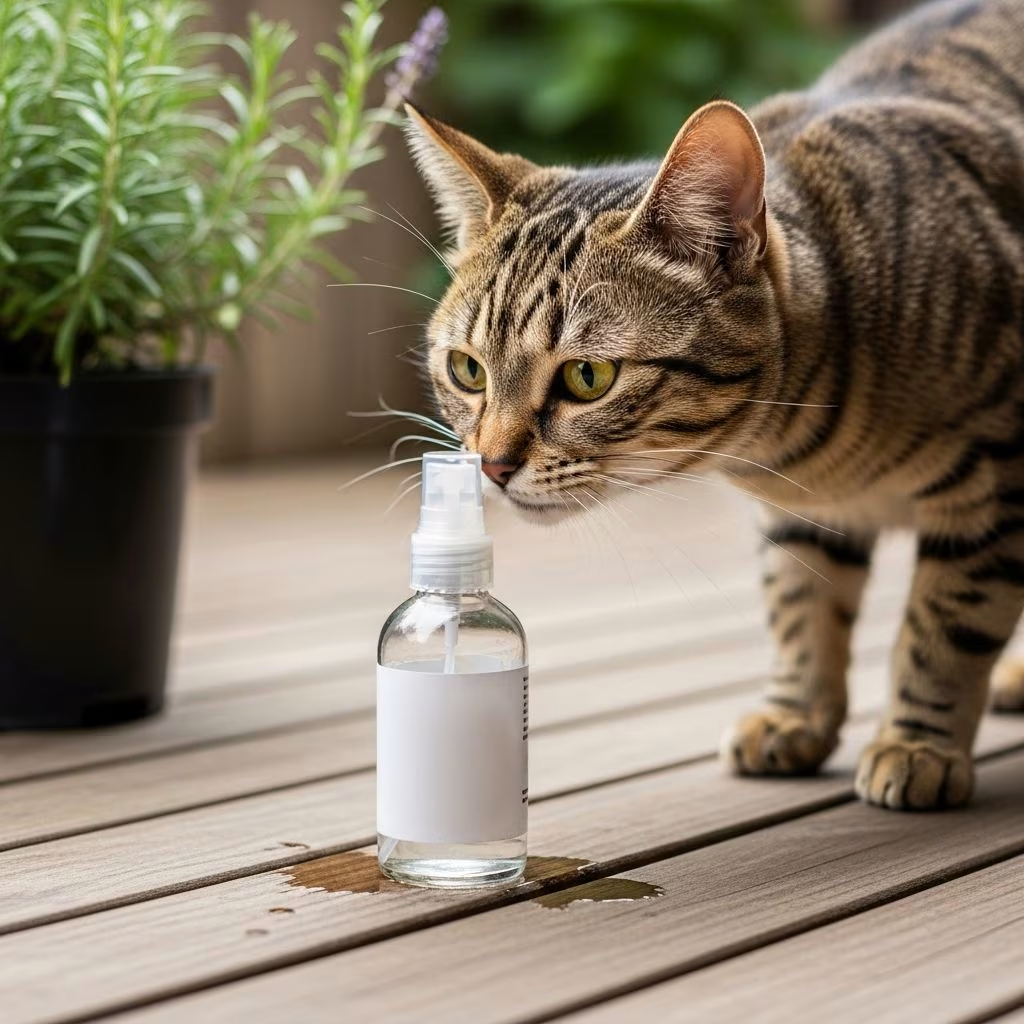
Vinegar serves as a popular natural option for deterring cats from unwanted areas like gardens, decks, and indoor spots, primarily due to its strong acidic odor that many felines find unpleasant. While anecdotal evidence suggests varying success, real-world tests reveal it often fails against determined cats, prompting exploration of safer combinations and alternatives.
Why Cats Dislike Vinegar’s Scent
Cats possess an acute sense of smell, roughly 14 times stronger than humans, making pungent substances like vinegar highly off-putting. The acetic acid in vinegar creates a sharp, irritating aroma that overwhelms their olfactory receptors, signaling an uncomfortable environment.White distilled vinegar remains the most commonly recommended type for repellency due to its purity and affordability.
This natural aversion stems from cats’ evolutionary instincts to avoid potentially spoiled or toxic food sources, as vinegar mimics fermented odors. However, the scent dissipates quickly outdoors, often within hours, reducing long-term efficacy unless reapplied frequently.
How to Prepare and Apply Vinegar Repellent
Creating a DIY vinegar spray is straightforward and cost-effective, using household staples. Start with a basic recipe and customize based on the target area.
- Basic Vinegar Spray: Mix equal parts white vinegar and water in a spray bottle. Shake well before each use.
- Enhanced Garden Formula: Combine 1 cup vinegar, 1 cup water, juice from one lemon, and a handful of fresh rosemary sprigs. Steep for 24 hours, strain, and spray on plants and soil.
- Indoor Training Mix: Dilute vinegar 1:10 with water to avoid damaging furniture; test on inconspicuous areas first.
Application tips include spraying in the evening when cats are active, targeting high-traffic spots like under decks, garden beds, or furniture edges. Reapply after rain or every 2-3 days for sustained deterrence. Avoid direct contact with cat fur or eyes to prevent irritation.
Real-World Effectiveness: Tests and Experiences
Practical experiments highlight vinegar’s limitations. In one backyard deck test, heavy spraying of undiluted vinegar failed to deter persistent stray cats hunting birds, even after reapplication; the cats returned within hours despite the strong lingering smell.This underscores that motivated felines, driven by food or territory, often ignore the scent.
Forum discussions and DIY guides report mixed results: some cats flee immediately from rosemary-vinegar-lemon blends, while others habituate quickly. Success rates improve in low-motivation scenarios, such as preventing litter box avoidance indoors, but outdoor strays prove resilient.
Safety Considerations for Cats, Plants, and Surfaces
Vinegar is generally safe for cats when diluted and used sparingly, posing no toxicity risks at typical concentrations. However, full-strength applications can irritate skin, eyes, or respiratory systems if cats come into direct contact.Dilution ratios of 1:1 or weaker minimize these risks.
| Area | Safe Dilution | Potential Risks | Precautions |
|---|---|---|---|
| Gardens/Plants | 1:2 vinegar:water | Leaf burn on sensitive plants | Avoid edible crops; rinse after 48 hours |
| Decks/Furniture | 1:3 or weaker | Surface discoloration | Test patch first; ventilate indoors |
| Indoor Use | 1:10 | Eye/skin irritation | Keep cats away until dry |
| Direct on Cats | Not recommended | Burning sensation | Use water spray for training instead |
For training hybrids like Savannah cats, a light vinegar-water mist (1:20 ratio) enhances water sprays they might otherwise enjoy, but overuse risks aversion to all spraying methods.
Limitations and When Vinegar Falls Short
Vinegar’s volatility limits its durability; wind, sun, and moisture evaporate the scent rapidly. Persistent cats, especially those feeding nearby or defending territory, bypass it entirely. In territorial disputes, such as intruding males fighting resident cats, vinegar alone does little to prevent property damage or stress.
Indoor efficacy wanes if cats associate the smell with home, leading to habituation. These shortcomings necessitate integrated approaches combining scents with physical barriers.
Proven Alternatives to Boost Deterrence
Pair vinegar with complementary methods for better outcomes. Official humane guidelines endorse multifaceted strategies over single remedies.
- Other Scents: Citrus peels, garlic, coffee grounds, or rue plants provide overlapping repellency; rotate to prevent adaptation.
- Physical Barriers: Motion-activated sprinklers deliver startling water bursts; ultrasonic devices emit inaudible high frequencies.
- Texture Deterrents: Spiky mats, pine cones, or chopsticks in soil discourage digging without harm.
- Spice Powders: Black pepper or cinnamon sprinkled in key areas may succeed where vinegar fails, as tested in deck scenarios.
Secure trash lids and neighbor discussions about spay/neuter programs address root causes like feeding strays, preventing influxes.
Humane and Ethical Approaches to Cat Management
Focus on non-lethal deterrents aligns with animal welfare best practices. Trapping for euthanasia proves ineffective long-term, often inviting new cats to fill the vacuum. Instead, community efforts like Trap-Neuter-Return (TNR) stabilize populations humanely.Combining repellents with environmental modifications yields sustainable results.
For owned cats, positive reinforcement training redirects behaviors, avoiding punitive sprays altogether.
Step-by-Step Guide to a Multi-Method Repellent Plan
- Assess the Problem: Identify attractants like food, water, or shelter.
- Clean the Area: Remove feces, secure bins, and trim hiding spots.
- Apply Initial Repellent: Spray vinegar mix and scatter citrus peels.
- Install Devices: Set up motion sprinklers or ultrasonic repellers.
- Monitor and Adjust: Track cat activity for 1 week; rotate scents if needed.
- Engage Community: Discuss with neighbors on feeding and sterilization.
Common Myths About Natural Cat Repellents
- Myth: Vinegar Works Permanently. Reality: Requires frequent reapplication.
- Myth: Stronger is Better. Reality: Overuse harms surfaces and irritates cats.
- Myth: All Cats Hate It Equally. Reality: Breed, age, and motivation vary responses.
Frequently Asked Questions (FAQs)
Is vinegar toxic to cats?
No, diluted vinegar is non-toxic but can irritate if undiluted. Always dilute and avoid eyes/mouth.
How long does vinegar smell last to repel cats?
Typically 1-3 days outdoors, less in wet conditions; indoors up to a week.
Can I use apple cider vinegar instead?
Yes, but white vinegar’s sharper scent proves more effective for most cats.
Will vinegar hurt my plants?
High concentrations acidify soil; use diluted sprays and rinse periodically.
What if vinegar doesn’t work on stray cats?
Layer with sprinklers, spices, or barriers; consider TNR for long-term control.
This comprehensive approach empowers cat owners and gardeners to manage feline visitors effectively and compassionately, balancing coexistence with property protection.
References
- Humane Deterrents for Free-Roaming Cats — Orange County, NC Government. Accessed 2026. https://www.orangecountync.gov/2144/Humane-Deterrents-for-Free-Roaming-Cats
- Friendly (but Effective) Cat Repellent — Instructables. Accessed 2026. https://www.instructables.com/Friendly-but-Effective-Cat-Repellent/
- Does Vinegar Keep Cats Off Your Deck — YouTube Video Transcript. Accessed 2026. https://www.youtube.com/watch?v=AKoNFXpBQaw



