

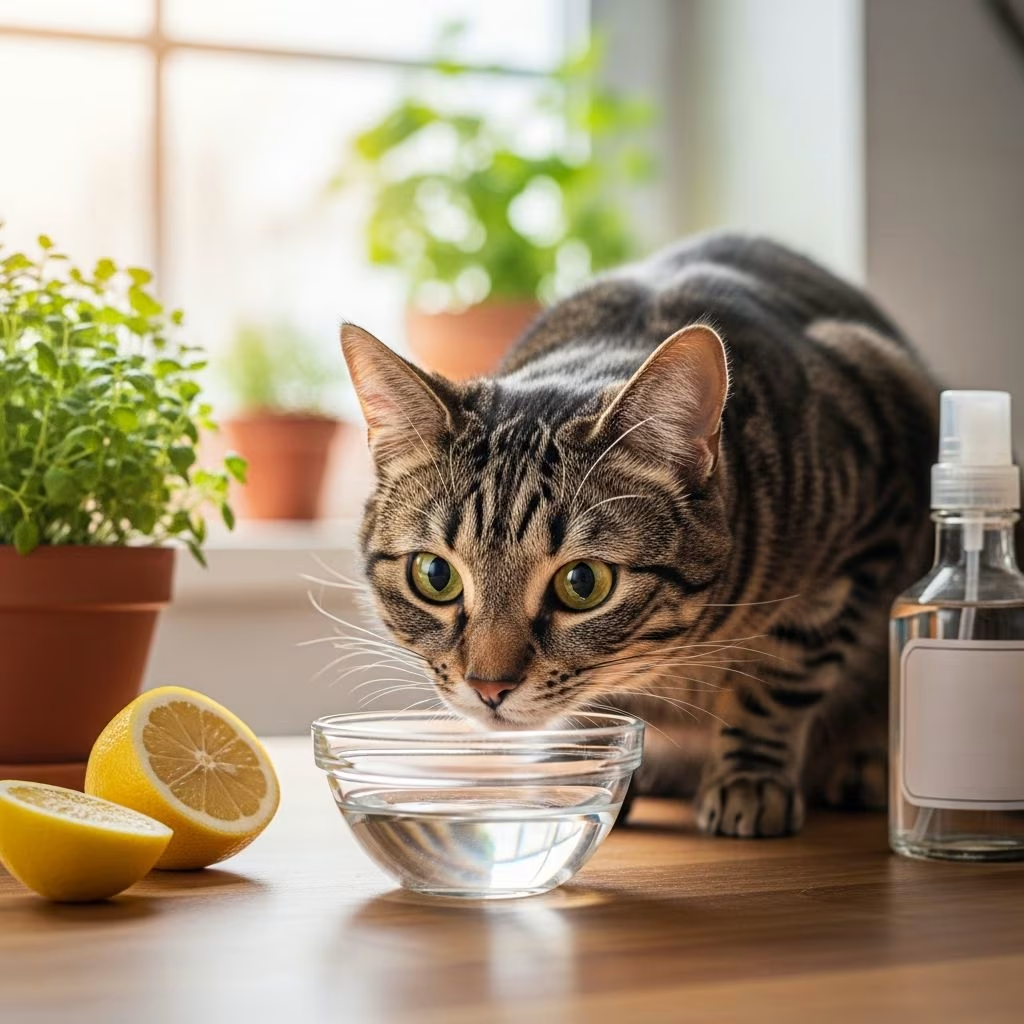
Vinegar serves as a versatile household staple for cleaning and deodorizing, but cat owners often wonder about its safety around feline companions. While not inherently poisonous, vinegar’s high acidity poses irritation risks to a cat’s sensitive mouth, skin, eyes, and digestive tract if used improperly. Diluted forms prove generally safe for environmental cleaning, yet direct ingestion or application demands caution.
Understanding Vinegar’s Acidity and Feline Physiology
Cats possess highly acidic stomachs optimized for protein digestion as obligate carnivores, aiding pathogen breakdown and urinary health. However, external acids like vinegar—typically 5% acetic acid in household varieties—can overwhelm this balance. Undiluted exposure irritates mucous membranes, prompting drooling, vomiting, or diarrhea. The ASPCA notes oral irritation and gastric upset from straight vinegar, emphasizing dilution for any proximity use.
Feline senses amplify concerns: cats’ acute olfactory systems detect vinegar’s pungent aroma as overwhelming, often triggering avoidance. This sensory aversion aids deterrence but underscores respiratory irritation potential from fumes, especially in enclosed spaces.
Is Vinegar Toxic to Cats? Breaking Down the Science
Vinegar ranks non-toxic per veterinary consensus, lacking lethality even in moderate amounts. Small ingestions may yield mild symptoms like salivation or appetite loss, resolving without intervention. Larger volumes risk acid imbalance, particularly in vulnerable cats.
- Mild effects: Excessive drooling, soft stool, or temporary nausea.
- Severe risks: Esophageal burns or metabolic disruption from substantial intake—rare but warranting vet contact.
Monitor post-exposure; persistent issues necessitate professional evaluation. Cats with pre-existing conditions face heightened vulnerability.
Household Cleaning: Safe Diluted Vinegar Applications
Diluted vinegar (1:1 water ratio) excels as a pet-friendly disinfectant, targeting bacteria and odors without harsh chemicals. The CDC affirms its germ-killing surface efficacy, ideal for litter boxes, bowls, and floors—rinse thoroughly post-application to minimize residue licking.
| Surface | Dilution Ratio | Benefits | Precautions |
|---|---|---|---|
| Litter boxes | 1 part vinegar: 1 part water | Neutralizes ammonia odors, kills select germs | Rinse well; dry before refilling |
| Food/Water bowls | 1:2 vinegar:water | Removes mineral buildup safely | Avoid if cat has kidney issues |
| Floors/Furniture | 1:3 ratio | Deodorizes pet areas | Test for discoloration; ventilate |
| Windows/Mirrors | 1:1 ratio | Streak-free shine | Keep cat away during drying |
These methods outperform toxic alternatives like bleach, safeguarding respiratory health.
Apple Cider Vinegar Myths: What Vets Actually Say
Apple cider vinegar (ACV) garners folk remedy status for digestion, fleas, and skin issues, yet evidence remains anecdotal. PetMD clarifies ACV repels but fails to eradicate fleas, risking skin irritation on compromised barriers. No peer-reviewed data substantiates urinary, digestive, or coat benefits in cats.
- Flea repellent claim: Topical sprays may deter briefly; ineffective killer. Avoid undiluted to prevent burns.
- Digestion aid: Lacks feline-specific trials; stomach acidity suffices naturally.
- Skin/ear treatment: Exacerbates infections via stinging; use vet-formulated products.
Proponents cite immunity boosts or parasite repulsion, but MedicineNet cautions kittens against concentrated doses causing gastrointestinal distress or allergies.
Circumstances Demanding Total Vinegar Avoidance
Certain scenarios prohibit vinegar exposure:
- Kidney disease: Acid load strains impaired filtration, per ASPCA guidelines.
- Skin wounds/infections: Stings open areas, delaying healing.
- Respiratory sensitivities: Fumes provoke coughing in asthmatics or brachycephalic breeds.
- Kittens/elderly: Tender systems amplify irritation risks.
- Porous chewables: Fabrics/toys retain acid, leading to oral ingestion.
Opt for enzymatic cleaners or commercial pet disinfectants in these cases.
Leveraging Cats’ Natural Aversion for Deterrence
Cats instinctively shun vinegar’s odor, enabling harmless area protection. Spray diluted solutions on counters, plants, or furniture to curb scratching/scratching. Reapply post-cleaning; combine with citrus peels for enhanced efficacy. This passive strategy outperforms punitive methods, preserving trust.
Emergency Response: What If Your Cat Ingests Vinegar?
Accidental licks warrant observation for 24 hours. Offer water or milk to dilute; withhold food briefly if vomiting occurs. Seek veterinary aid for lethargy, blood in stool, or unrelenting symptoms. Dial-a-vet services provide immediate guidance.
Prevent via secure storage and prompt spill cleanup.
Superior Alternatives to Vinegar for Cat Care
Vet-endorsed options eclipse vinegar hacks:
- Flea control: Prescription topicals/oral preventives.
- Ear cleaning: Veterinary solutions with salicylic acid.
- Cleaning: Hydrogen peroxide blends or baking soda.
- Digestion: Probiotic supplements via diet.
Consult professionals before remedies; self-treatment risks complications.
Frequently Asked Questions
Can vinegar kill a cat?
No, vinegar lacks toxicity to cause death under typical exposure. Undiluted forms irritate but resolve; kidney-compromised cats merit extra caution.
Is white vinegar worse than apple cider for cats?
Both irritate similarly due to acidity; white vinegar offers no benefits, while ACV’s sugars may ferment undesirably. Dilution equalizes risks.
Does vinegar help with cat urinary issues?
Unproven and risky; cats’ acidic urine handles bacteria naturally. Kidney patients avoid entirely—vet diagnostics preferred.
Can I add vinegar to my cat’s water?
Discouraged; even diluted, it alters pH unnecessarily and invites refusal. Use filtered water instead.
Is vinegar smell harmful to cats long-term?
Occasional diluted use poses no chronic harm; chronic fumes irritate airways. Ventilate thoroughly.
Key Takeaways for Cat Owners
Prioritize dilution (1:3+ ratios) for cleaning, shun oral/topical applications, and heed health contraindications. Vinegar’s utility shines in disinfection, not medicinals—partner with vets for evidence-based care. Proactive habits ensure harmonious homes without compromising feline well-being.
References
- Is Vinegar Bad for Cats? Safe Uses, Myths, and Recommendations — Basepaws. 2023. https://basepaws.com/blog/is-vinegar-bad-for-cats
- Is Vinegar Bad for Cats? Vet-Reviewed Safety Concerns — Catster. 2023. https://www.catster.com/cat-health-care/is-vinegar-bad-for-cats/
- Will Apple Cider Vinegar Kill Fleas on Kittens? — MedicineNet. 2023. https://www.medicinenet.com/will_apple_cider_vinegar_kill_fleas_on_kittens/article.htm
- Is vinegar dangerous for cats if they accidentally lick or ingest it? — DialAVet. 2023. https://www.dialavet.com/vet-answers/post/vinegar-danger-cats-ingest-48750
- About Cleaning and Disinfecting Pet Supplies — CDC. 2025-01-15. https://www.cdc.gov/healthy-pets/about/cleaning-and-disinfecting-pet-supplies.html



