

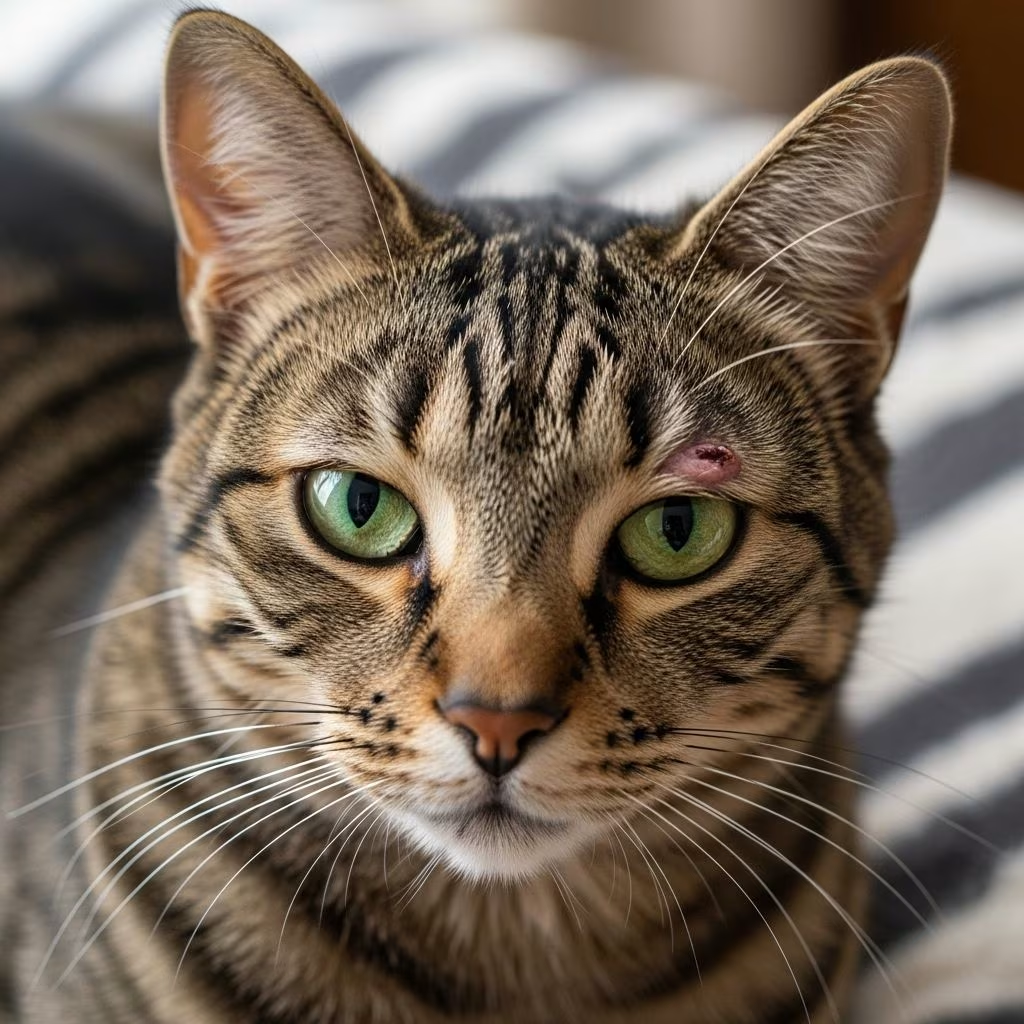
Discovering scabs on your cat’s skin can be alarming for any pet owner. These crusty patches often appear on the head, neck, or back, signaling underlying issues like allergies, parasites, or infections. Veterinarians strongly advise against picking or removing cat scabs manually, as this can worsen irritation, introduce bacteria, and delay healing. Instead, opt for gentle, natural home remedies that soothe itchiness, soften scabs, and promote recovery without harsh chemicals.
This comprehensive guide covers the reasons behind cat scabs, why picking them is dangerous, and six vet-approved natural fixes. You’ll also find additional remedies, prevention tips, when to see a vet, and FAQs to help you care for your feline friend effectively.
What Are Cat Scabs and Why Do Cats Get Them?
Cat scabs, often called miliary dermatitis, are small, crusty lesions formed when a cat excessively licks, bites, or scratches its skin, causing minor wounds that crust over. Common causes include:
- Flea allergy dermatitis: Even one flea bite can trigger intense itching in sensitive cats.
- Allergies: Food, environmental pollen, or dust mites leading to atopic dermatitis.
- Mites or parasites: Ear mites, walking dandruff (Cheyletiella), or lice.
- Infections: Bacterial or fungal, like ringworm.
- Stress or nutritional deficiencies: Poor diet lacking omega-3s or excessive grooming from anxiety.
Scabs typically cluster on the neck, head, and base of the tail. Early intervention prevents escalation to hair loss, open sores, or secondary infections.
Why Vets Warn Against Picking Cat Scabs
Picking scabs might seem intuitive to remove the ‘problem,’ but vets unanimously caution against it. Here’s why:
- Risk of infection: Exposing raw skin invites bacteria, leading to abscesses or cellulitis.
- Increased trauma: It reopens healing tissue, prolonging recovery and intensifying itching.
- Pain and stress: Cats feel pain, which can make them defensive or aggressive during handling.
- Spread of issues: If fungal (e.g., ringworm), it spreads via spores; picking disperses them.
Instead, focus on softening scabs naturally to let them slough off painlessly. Always consult a vet for diagnosis before treatment.
The 6 Vet-Approved Natural Home Remedies to Treat Scabs on Cats
These remedies are simple, affordable, and backed by veterinary insights. Use them after a vet rules out serious conditions. Test on a small area first and monitor for reactions.
1. Warm Towel Wrap
The simplest remedy: A warm, damp towel reduces itching and softens scabs, discouraging further scratching. Soak a clean towel in warm (not hot) water, wring it out, and wrap the affected area for 5-10 minutes or as long as your cat tolerates. Gently pat dry afterward.
Caution: Avoid if scabs stem from fungal infections like ringworm, as warmth promotes fungal growth.
2. Epsom Salts
Epsom salt (magnesium sulfate) soothes inflammation, softens scabs, and cleanses skin. Dissolve 1 tablespoon in a bowl of warm water. Soak a cloth, apply to scabs for 5-10 minutes, then rinse. For baths, add to shallow warm water if your cat allows.
Benefits include reduced swelling and gentle exfoliation. Repeat 1-2 times daily.
3. Calendula
Calendula officinalis (pot marigold) offers anti-inflammatory and antiseptic properties, used medicinally for centuries. Steep 30g dried flowers in 1 cup boiling water for 10 minutes, cool to warm, then apply via damp cloth compress for 15 minutes. Rinse thoroughly.
DIY Calendula-Oatmeal Spray: Boil calendula, steep in oats, strain, and spray on scabs for 20-30 minutes before rinsing. Source organic calendula for best results. Safe topically, but prevent ingestion due to trace salicylic acid.
4. Oatmeal
Colloidal oatmeal relieves itchiness and forms a protective barrier. Grind plain oats finely, mix into warm bath water, and soak your cat for 5-10 minutes. Alternatively, make a paste and apply directly, rinsing after 10 minutes.
High in proteins and fats, it moisturizes and calms skin. Ideal for allergy-related scabs.
5. Aloe Vera
Pure aloe vera gel cools, hydrates, and fights microbes. Slice a fresh leaf, extract gel, and apply thinly to scabs. Let absorb; no rinse needed unless licked excessively.
Warning: Leaves are mildly toxic if ingested in quantity; use only on non-licking areas or sparingly. Choose 100% pure gel without additives.
6. Coconut Oil
Virgin coconut oil moisturizes, provides antibacterial lauric acid, and is lick-safe. Massage a thin layer into scabs post other treatments. Internally, add 1/8 tsp to food daily, increasing to 1/4 tsp if tolerated.
Combats dryness and infections effectively.
Additional Natural Remedies for Cat Scabs
Beyond the core six, these options expand your toolkit:
- Apple Cider Vinegar (ACV): For flea-related scabs, mix 2:1 water:ACV and spray coat. Repels parasites without killing them.
- Plain Yogurt: Unsweetened yogurt cools and probiotics aid gut-skin health. Dab on scabs or mix into food.
- Lemon Juice: Dilute 1:1 with water, spray on scabs (avoid eyes). Citric acid cleanses naturally.
- Chamomile Tea: Brew, cool, and apply with cloth for anti-inflammatory calm.
- Sea Salt Solution: 1 tsp in 1 cup warm water; dab with cotton for gentle cleaning.
Prevention Tips: Keep Your Cat Scab-Free
Prevent recurrence with proactive care:
- Flea prevention year-round.
- High-quality, hypoallergenic diet rich in omega-3s (fish oil).
- Stress reduction via play and routine.
- Regular grooming and clean environment.
- Use non-plastic bowls to avoid chin acne.
Monitor for excessive grooming, hair loss, or lethargy.
When to See a Vet for Cat Scabs
Home remedies work for mild cases, but seek professional help if:
| Symptom | Action |
|---|---|
| Scabs spread rapidly or cover large areas | Immediate vet visit |
| Accompanied by hair loss, swelling, pus, or odor | Possible infection; antibiotics needed |
| No improvement in 3-5 days | Underlying allergy or parasite |
| Behavioral changes (lethargy, aggression) | Full exam required |
Vets may prescribe medicated shampoos, steroids, or tests.
Frequently Asked Questions (FAQs)
Can I pick off my cat’s scabs to help them heal faster?
No, picking risks infection and pain. Use natural softeners instead.
Are these remedies safe for kittens or senior cats?
Generally yes, but dilute further and consult a vet for vulnerable cats.
How long do cat scabs take to heal with home remedies?
3-7 days for mild cases; persistent ones need vet care.
Do fleas always cause scabs?
No, but flea allergies are common; check with a flea comb.
Is coconut oil safe if my cat licks it?
Yes, virgin coconut oil is non-toxic in small amounts.
References
- 6 Vet-Approved Natural Home Remedies to Treat Scabs on Cats — Catster. 2023. https://www.catster.com/cat-health-care/natural-home-remedies-to-treat-scabs-on-cats/
- Eight Effective Home Treatments for Cat Scabs and When to See a Vet — KittyNook. 2024. https://kittynook.com/blogs/kittynookcorner/eight-effective-home-treatments-for-cat-scabs-and-when-to-see-a-vet
- Decoding Feline Health: Understanding the Scabs on Your Cat’s Skin — Purely Pets Insurance. 2023-12-01. https://www.purelypetsinsurance.co.uk/blogs/what-are-these-scabs-on-my-cats-skin/
- Home Remedies for Cat Scabs: 7 Easy Methods You Can Do Yourself — HolistaPet. 2024. https://www.holistapet.com/blogs/home-remedies-for-cats/scabs
- 5 Home Remedies For Cat Skin Problems — PetCubes. 2023. https://petcubes.com/blogs/cat-skin-problems/home-remedies
- Remedies for Cat Scabs — WebMD Pets. 2024. https://www.webmd.com/pets/cats/remedies-cat-scabs



