

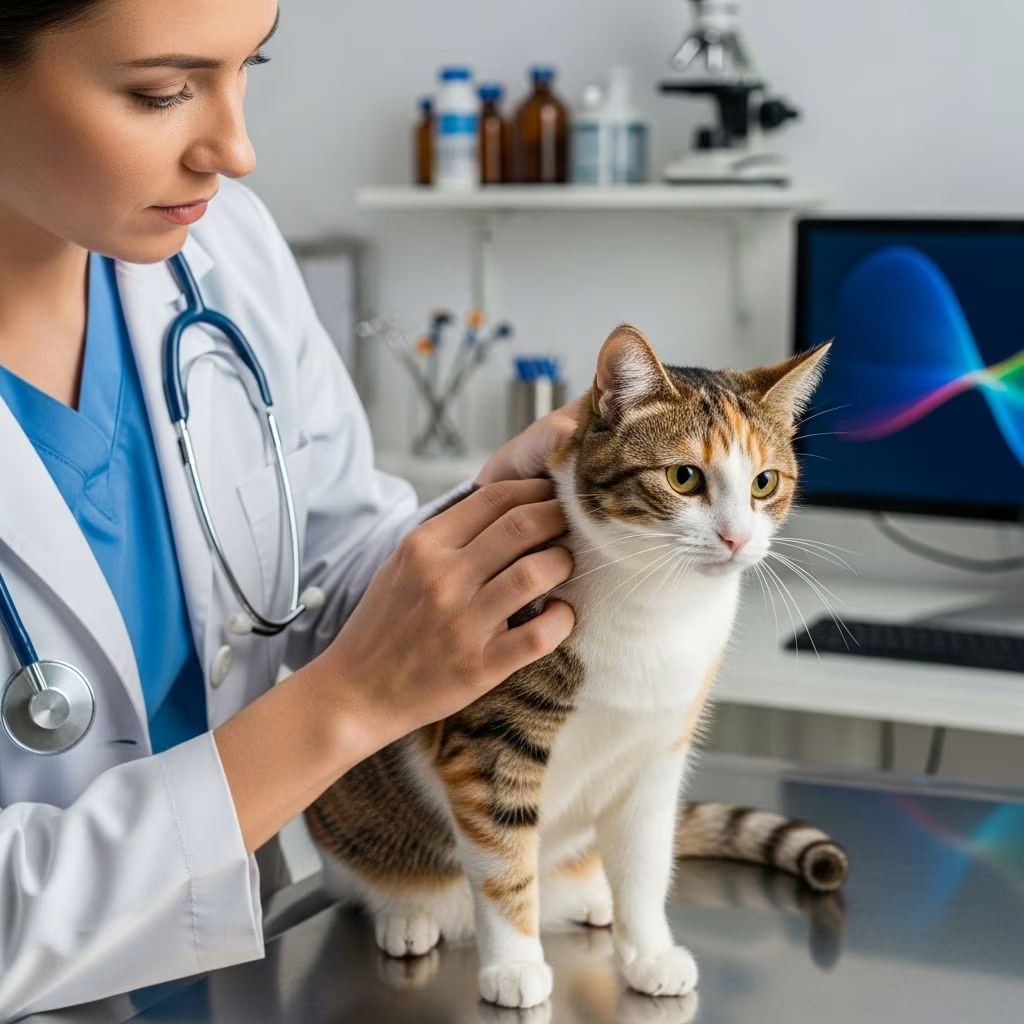
Cat ownership brings immense joy, companionship, and health benefits, but veterinarians caution about zoonotic diseases—illnesses that can transfer from cats to humans. While the overall risk remains low, especially for healthy indoor cats, awareness is crucial for vulnerable groups like pregnant women, immunocompromised individuals, children, and the elderly. This article details 10 key cat-to-human diseases, their symptoms, transmission methods, and proven prevention strategies drawn from veterinary and health authorities.
Understanding these risks empowers cat owners to maintain hygiene, ensure vaccinations, and schedule regular vet check-ups, minimizing transmission chances without forgoing the pleasures of feline friendship.
10 Diseases Humans Can Catch From Cats
Here are the primary zoonotic diseases associated with cats, ranked by commonality and severity based on veterinary reports.
1. Rabies
Rabies is a fatal viral disease transmitted through the saliva of infected animals, primarily via bites. In cats, it spreads through contact with infected wildlife like bats, raccoons, or foxes. In the United States, cats are the most frequently reported domestic animal with rabies, with 224 cases in 2015 alone, underscoring the need for vaccination even for indoor cats.
Symptoms in humans start with fever, headache, and discomfort at the bite site, progressing to neurological issues like agitation, hydrophobia, and paralysis. Once clinical signs appear, rabies is nearly 100% fatal. Prevention hinges on annual rabies vaccinations for cats, avoiding wildlife exposure, and immediate medical attention for any bite, including post-exposure prophylaxis.
2. Cat Scratch Disease (Bartonella henselae)
Cat scratch disease (CSD), caused by the bacterium Bartonella henselae, affects about 40% of cats at some point, often asymptomatically, especially kittens. Transmission occurs via scratches, bites, or licks on open wounds, with fleas facilitating spread between cats.
Human symptoms include swollen lymph nodes (especially near the head, neck, and arms), fever, fatigue, headache, and pus-filled sores at the injury site. Most cases resolve without treatment, but antibiotics may be needed for severe infections. Immunocompromised people face higher risks. Trim cats’ nails, avoid rough play, and treat flea infestations promptly to prevent CSD.
3. Ringworm
Ringworm, a fungal infection from Microsporum canis, is highly contagious through direct contact with infected skin, fur, or surfaces. Cats often show patchy hair loss, while humans develop red, itchy, scaly circular lesions.
Immunocompromised individuals, young children, and seniors are most vulnerable. Treatment involves oral and topical antifungals for weeks, plus environmental decontamination. Prevent by regular grooming, isolating infected cats, and washing hands after handling pets.
4. Toxoplasmosis
Toxoplasmosis stems from the parasite Toxoplasma gondii, shed in cat feces for 1-2 weeks after initial infection. Humans contract it via accidental ingestion of oocysts from contaminated litter, soil, or undercooked meat. Healthy adults may be asymptomatic, but it poses severe risks: miscarriage or birth defects in pregnant women, encephalitis in immunocompromised people.
Prevention is straightforward: pregnant women and immunocompromised individuals should avoid litter boxes; daily scooping and handwashing reduce risks dramatically. Cook meat thoroughly and wear gloves gardening.
5. Salmonella
Salmonella bacteria in cat feces cause salmonellosis, transmissible through contaminated food, water, or direct contact. Cats may carry it asymptomatically. Human symptoms include diarrhea, fever, abdominal cramps, and vomiting, lasting 4-7 days; severe cases require hospitalization.
High-risk groups include young children and the elderly. Prevent by washing hands after litter cleaning, using separate utensils for pet food, and ensuring fresh water.
6. Campylobacter Infection
Similar to salmonella, Campylobacter bacteria from infected cat feces lead to diarrhea, fever, and stomach pain in humans. Transmission mirrors salmonella via fecal-oral route.
It’s more common in raw-food-fed cats. Hygiene, cooked diets, and probiotics help mitigate risks.
7. Giardia Infection
Giardia protozoa cause giardiasis, with watery diarrhea, gas, and dehydration in both cats and humans. Spread through contaminated water or feces.
Annual fecal tests and filtered water prevent spread. Treat infected cats with vet-prescribed meds.
8. Cryptosporidium Infection (Cryptosporidiosis)
This parasite causes diarrhea, vomiting, fever, and cramps via fecal contamination. Immunocompromised people face life-threatening dehydration.
Gloves for litter handling, handwashing, and annual fecal exams are key preventives.
9. Roundworms and Hookworms
Roundworms (Toxocara) and hookworms (Ancylostoma) pass eggs in feces. Humans ingest roundworm eggs, risking visceral or ocular larval migrans; hookworms penetrate skin, causing cutaneous larval migrans.
Children are at highest risk from contaminated soil. Monthly dewormers, prompt litter disposal, and discouraging geophagia prevent issues.
10. MRSA and Other Bacterial Infections
Methicillin-resistant Staphylococcus aureus (MRSA) can transfer bidirectionally. Cats with weakened immunity from FeLV or FIV are reservoirs. Symptoms include skin abscesses.
Maintain cat health via testing and indoor living to reduce risks.
Who Is Most at Risk?
Healthy adults face minimal zoonotic threats from pet cats, but risks elevate for:
- Pregnant women (toxoplasmosis risks to fetus)
- Immunocompromised individuals (HIV, chemotherapy, organ transplants)
- Young children (soil play, hand-to-mouth habits)
- Elderly or those with chronic illnesses
Indoor cats pose lower risks than outdoor roamers exposed to parasites and wildlife.
How to Prevent Cat-to-Human Disease Transmission
Veterinarians recommend these evidence-based strategies:
- Vaccinate fully: Rabies shots annually; core vaccines protect indirectly.
- Litter hygiene: Scoop daily, use gloves, wash hands. High-risk individuals delegate this task.
- Flea and parasite control: Monthly preventives for worms, fleas.
- Regular vet care: Annual exams, fecal tests for parasites.
- Handwashing: After petting, feeding, or litter work.
- Supervise play: Trim nails, avoid scratches/bites.
- Indoor living: Limits wildlife and parasite exposure.
- Cook pet food: Avoid raw diets harboring bacteria.
These steps make cat ownership safe for nearly everyone.
FAQs About Cat-to-Human Diseases
Can indoor cats transmit diseases to humans?
Yes, but risks are minimal with proper care. Indoor cats avoid many parasites and viruses outdoor cats encounter.
Should pregnant women avoid cats?
No, but they should avoid litter boxes. Delegate cleaning and practice hygiene to prevent toxoplasmosis.
Is cat scratch disease serious?
Usually self-limiting, but seek medical care for fever or swollen nodes.
Can I get HIV from my cat?
No, feline viruses like FeLV/FIV don’t infect humans.
How often should I deworm my cat?
Monthly preventives or as vet-recommended based on fecal tests.
Benefits of Cat Ownership Outweigh Risks
Studies show cat companions reduce stress, lower heart disease risk, and improve mental health. With vigilance, zoonotic concerns shouldn’t deter adoption. Consult your vet for personalized advice.
References
- 5 Diseases You Can Catch from Your Cat — Just Cats Clinic. 2023. https://justcatsclinic.com/5-diseases-you-can-catch-from-your-cat/
- Zoonotic Diseases in Cats — VCA Animal Hospitals. 2024. https://vcahospitals.com/know-your-pet/zoonotic-diseases-in-cats
- Common Cat Illnesses That Are Contagious — Cinder Rock Vet Clinic. 2024-06-15. https://www.cinderrockvetclinic.com/site/blog/2024/06/15/cat-illnesses
- Zoonotic Disease: What Can I Catch from My Cat? — Cornell University College of Veterinary Medicine. 2023. https://www.vet.cornell.edu/departments-centers-and-institutes/cornell-feline-health-center/health-information/feline-health-topics/zoonotic-disease-what-can-i-catch-my-cat
- Vets Warn About 10 Cat-to-Human Diseases — Catster. 2024. https://www.catster.com/lifestyle/vets-warn-about-cat-to-human-diseases/
- Cats | Healthy Pets, Healthy People — Centers for Disease Control and Prevention (CDC). 2025. https://www.cdc.gov/healthy-pets/about/cats.html



