

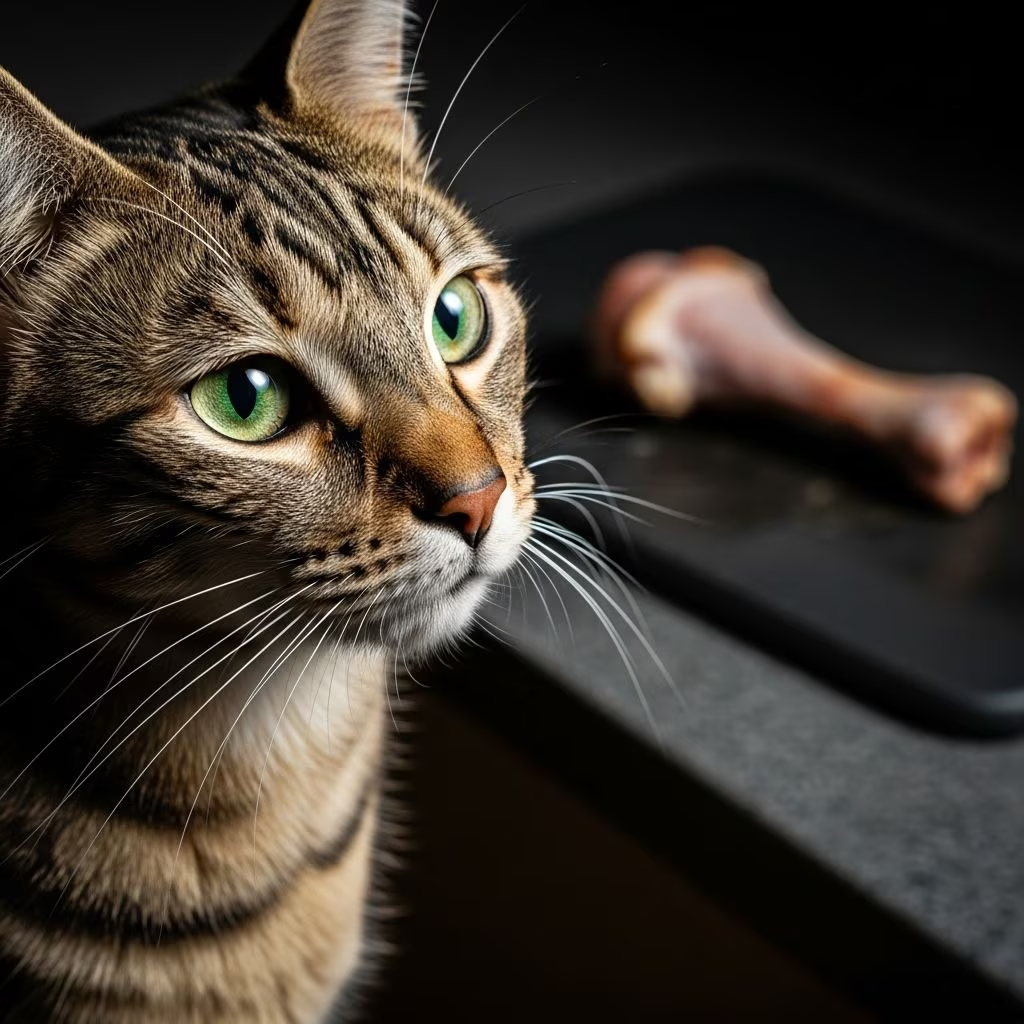
Cooked chicken bones seem like a tempting treat for cats, but veterinarians unanimously agree they pose severe health risks, including splintering that can cause choking, internal punctures, blockages, and life-threatening infections.
Why Are Chicken Bones Dangerous for Cats?
Chicken bones become brittle when cooked, easily splintering into sharp shards that can lacerate a cat’s mouth, throat, esophagus, stomach, or intestines. Unlike dogs, cats often swallow food whole or in large pieces, increasing the chance of swallowing jagged fragments without proper chewing.
- Splintering Risk: Cooked bones shatter into razor-sharp pieces, capable of tearing delicate tissues and causing immediate or delayed internal bleeding.
- Choking Hazard: Small bones or fragments can lodge in the throat or windpipe, obstructing airways. Cats lack the forceful cough reflex humans have, making dislodgement difficult.
- Raw Bone Dangers: Even uncooked bones carry risks like bacterial contamination from Salmonella or Campylobacter, leading to vomiting, diarrhea, and fever, especially in vulnerable cats.
These risks apply universally—no amount of chicken bone is safe, regardless of the cat’s age or health status. Kittens, seniors, and cats with pre-existing conditions face heightened dangers due to narrower passages and weaker systems.
Can Cats Eat Chicken Bones? The Vet’s Answer
Veterinarians from sources like PetMD and animal hospitals state unequivocally: No, cats should never eat chicken bones, cooked or raw. The potential for gastrointestinal perforation, obstruction, or peritonitis outweighs any perceived benefit.
| Risk Factor | Cooked Bones | Raw Bones |
|---|---|---|
| Splintering | High—brittle and sharp | Low—more flexible |
| Choking | High | Moderate |
| Bacterial Risk | Low (if cooked thoroughly) | High (Salmonella, etc.) |
| Blockage Potential | High | Moderate to High |
This table highlights why both types are problematic, with cooked bones posing the greatest immediate threat due to their fragility.
Symptoms to Watch For If Your Cat Ate a Chicken Bone
Signs may appear immediately or after hours/days, as fragments travel through the digestive tract. Monitor closely for 48-72 hours post-ingestion.
- Immediate Symptoms: Excessive drooling, pawing at mouth, gagging, difficulty swallowing, coughing, or blue gums indicating choking.
- Digestive Distress: Vomiting (possibly bloody), diarrhea, constipation, abdominal bloating, or pain when touched.
- Systemic Signs: Lethargy, loss of appetite, fever, weakness, bloody stool, or hiding—indicators of perforation or infection.
If any symptom appears, do not delay; internal damage can escalate rapidly to peritonitis or sepsis.
What to Do If Your Cat Ate a Chicken Bone
Stay calm but act swiftly. Never attempt home remedies like inducing vomiting, as this can lodge shards in the esophagus.
- Assess Immediately: Check for choking signs. If present, keep cat calm and rush to an emergency vet—do not probe the mouth yourself.
- Remove Access: Secure all remaining bones to prevent re-ingestion.
- Monitor Closely: Observe for 48+ hours. Note stool for bone fragments; normal passage doesn’t guarantee safety.
- Contact Vet: Call immediately, even if asymptomatic. Provide details on bone size, cooking state, and cat’s health.
- Follow Vet Guidance: X-rays, endoscopy, or surgery may be needed for blockages or perforations.
In many cases, small bones pass naturally, but complacency is dangerous—past incidents don’t predict future outcomes.
Choking Hazards and Emergency Response
Choking is the most acute threat. Sharp bone pieces obstruct airways, leading to panic, collapse, or asphyxiation.
- Gagging or retching
- Pawing frantically at mouth
- Labored breathing or open-mouth breathing
- Cyanosis (blue tongue/gums)
Emergency steps: Restrain gently if safe, perform cat Heimlich if trained (gentle abdominal thrusts), and seek professional help without delay. Time is critical.
Internal Injuries and Blockages Explained
Swallowed splinters migrate, potentially perforating organs and spilling bacteria into the abdomen (peritonitis), a surgical emergency.
- Perforation: Tears cause bleeding, infection; symptoms include shock and fever.
- Blockage: Fragments clump in intestines, causing necrosis if untreated. Surgery often required.
Smaller cats are at higher risk due to anatomy.
Are Raw Chicken Bones Safer for Cats?
Raw bones are less brittle but not safe. They risk bacterial transmission and still cause blockages or digestive upset. Vets advise against them entirely.
Safe Alternatives to Chicken Bones for Cats
Opt for vet-approved treats mimicking hunting instincts without risks.
- Commercial cat treats (chicken-flavored, boneless)
- Cooked chicken meat (skinless, unseasoned, chopped small)
- Frozen fish treats or dental chews
- Interactive toys with catnip
Always introduce new foods gradually.
Prevention Tips: Keeping Chicken Bones Away from Cats
Proactive measures prevent accidents.
- Secure trash bins with locks
- Never leave plates unattended
- Elevate food prep areas
- Educate household members
- Supervise during meals
Consistency saves lives.
Frequently Asked Questions (FAQs)
What happens if a cat eats a chicken bone?
It can splinter, causing choking, cuts, blockages, or perforations. Monitor and contact vet immediately.
Will a chicken bone pass on its own in a cat?
Possibly, but risks remain high. Watch for symptoms over 48 hours.
Can kittens eat chicken bones?
No—higher risk due to small size.
Raw or cooked: which is worse for cats?
Cooked splinter more; raw have bacteria. Both dangerous.
How long to monitor cat after eating bone?
At least 48-72 hours for signs.
References
- Why Cats and Chicken Bones Don’t Mix — Dan’s Pet Care. 2023. https://danspetcare.com/pets/z545hh3r6bte5jmeg5lr384gt9y4y9
- Can Cats Eat Chicken? — PetMD. 2024-10-15. https://www.petmd.com/cat/nutrition/can-cats-eat-chicken
- What To Do if Your Cat Ate a Chicken Bone — LePar Animal Hospital. 2024. https://leparvet.net/blog/cat-ate-a-chicken-bone/
- My Cat Ate a Chicken Bone: What Do I Do? — 441 Animal Hospital. 2023-11-20. https://441animalhospitalboca.com/blog/cat-ate-a-chicken-bone/
- Can dogs and cats eat bones? — ManyPets. 2024. https://manypets.com/uk/pet-food-safety/can-my-pet-eat-bones/



