

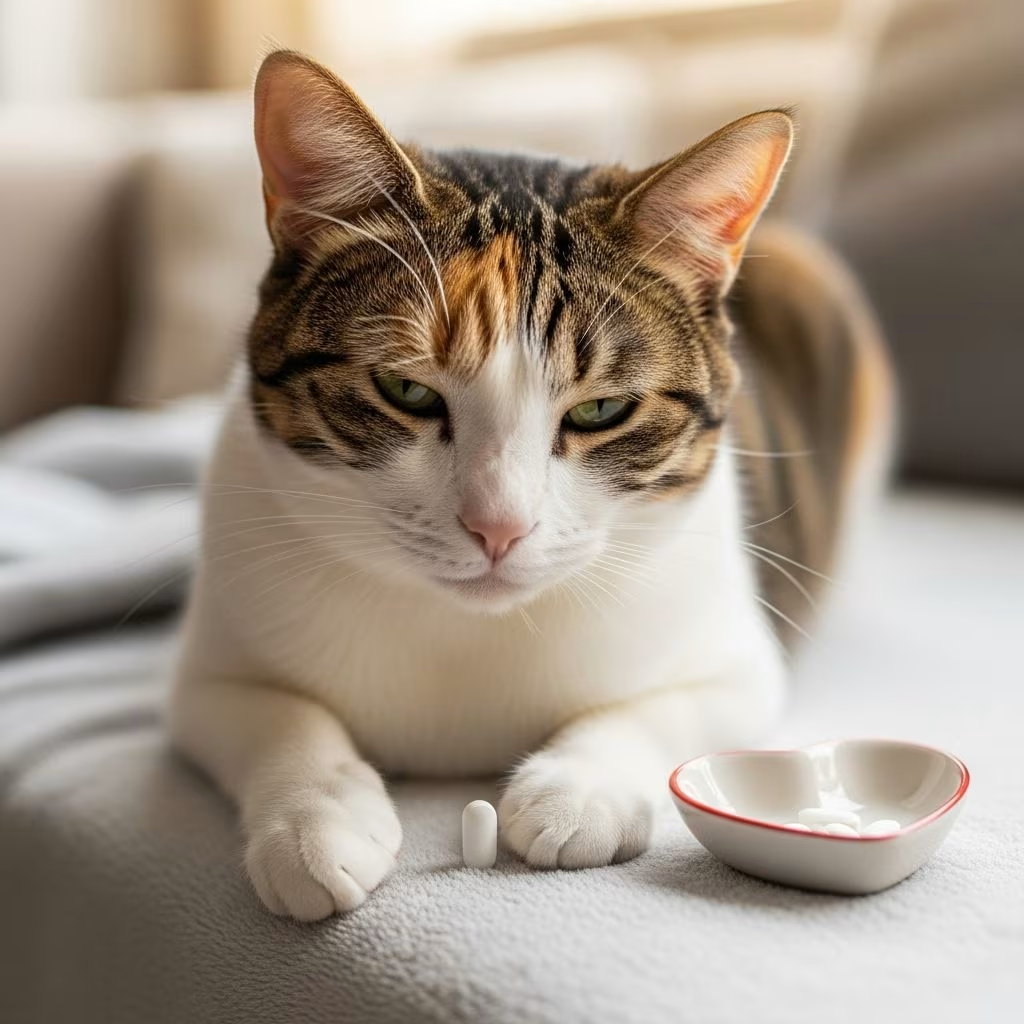
Congestive heart failure (CHF) represents a serious challenge for cats, where the heart struggles to pump blood effectively, leading to fluid buildup and reduced organ function. Vetmedin, known scientifically as pimobendan, emerges as a key medication to enhance cardiac performance and alleviate symptoms in feline patients.
Understanding Feline Congestive Heart Failure
CHF in cats arises when underlying heart conditions impair the organ’s pumping efficiency, causing fluid accumulation in the lungs, abdomen, or chest cavity. This condition often stems from diseases that progressively weaken the heart muscle over time. Unlike dogs, cats may mask early symptoms, making timely diagnosis critical.
The two main forms include left-sided CHF, which floods the lungs with fluid leading to breathing difficulties, and right-sided CHF, resulting in abdominal swelling from fluid retention. Both types demand prompt veterinary intervention to prevent life-threatening complications.
Primary Causes Behind Cat Heart Failure
Several factors contribute to CHF development in felines. The leading culprit is hypertrophic cardiomyopathy (HCM), affecting the heart’s left ventricle by causing abnormal thickening. This reduces the chamber’s capacity to fill with blood, forcing the heart to work harder and eventually fail.
- HCM Prevalence: Impacts roughly one in seven cats, often without early warning signs.
- Valve Abnormalities: Faulty valves permit blood backflow, elevating pressure within the heart.
- Congenital Defects: Birth-related structural issues that manifest later in life.
- Secondary Triggers: Conditions like hyperthyroidism or hypertension strain the heart excessively.
Other influences, such as infections or nutritional deficiencies in young cats, can exacerbate risks, underscoring the need for routine health screenings.
Recognizing Key Symptoms of CHF in Cats
Early detection hinges on observing subtle behavioral and physical changes. Cats with CHF often exhibit respiratory distress as a primary indicator.
| Symptom | Description | Associated CHF Type |
|---|---|---|
| Rapid or Raspy Breathing | Shallow, fast breaths; mouth breathing; effortful respiration | Left-sided |
| Lethargy and Weakness | Reluctance to move, reduced jumping, excessive sleeping | Both |
| Appetite Loss | Weight decline, disinterest in food | Both |
| Abdominal Distension | Swollen belly from fluid (ascites) | Right-sided |
| Cold Limbs or Paralysis | Hind leg immobility due to clots (saddle thrombus) | Advanced HCM |
Additional signs include pale gums indicating poor oxygenation, restlessness, or occasional coughing. Sudden hind-limb paralysis signals an emergency, often from aortic thromboembolism where clots block blood flow.
The Role of Vetmedin in Feline CHF Management
Vetmedin (pimobendan) functions as an inodilator, combining positive inotropic effects to boost heart contractility with vasodilatory properties to ease blood vessel tension. This dual action improves cardiac output without overworking the heart, making it suitable for cats battling CHF.
In clinical practice, veterinarians prescribe Vetmedin for cats with advanced heart disease, particularly HCM-induced CHF. It helps reduce fluid buildup, enhances breathing ease, and prolongs survival when combined with other therapies like diuretics.
Administering Vetmedin to Cats: Dosage and Protocols
Vetmedin dosing for cats typically starts at 0.25 mg/kg body weight, administered orally every 12 hours. Adjustments depend on the cat’s response and concurrent medications. Tablets come in 1.25 mg, 2.5 mg, 5 mg, or 10 mg strengths, often split for precise feline dosing.
- Give on an empty stomach for optimal absorption.
- Monitor for side effects like vomiting or lethargy.
- Regular vet check-ups ensure efficacy and safety.
Combination therapy often pairs Vetmedin with furosemide (diuretic) to manage fluid and ACE inhibitors like enalapril for blood pressure control.
Diagnostic Approaches for Confirming CHF
Veterinarians employ several tools to diagnose CHF accurately.
- Echocardiography: Ultrasound imaging reveals heart wall thickness, chamber size, and function.
- Chest X-rays: Detect lung fluid or enlarged heart silhouette.
- Blood Tests: Assess thyroid levels, kidney function, and biomarkers like NT-proBNP.
- ECG: Monitors heart rhythm irregularities.
These tests differentiate CHF from respiratory issues, guiding targeted treatment with Vetmedin.
Comprehensive Treatment Strategies Beyond Vetmedin
While Vetmedin strengthens the heart, a multifaceted approach maximizes outcomes.
- Diuretics: Furosemide or torsemide expel excess fluid rapidly.
- Blood Thinners: Clopidogrel prevents clot formation in HCM cases.
- Hyperthyroidism Management: Methimazole controls overactive thyroid contributing to heart strain.
- Oxygen Therapy: Stabilizes acute crises.
Nutritional support with low-sodium diets aids fluid balance, and stress reduction through environmental enrichment supports recovery.
Monitoring and Long-Term Care for Cats on Vetmedin
Owners play a vital role in ongoing management. Track daily breathing rates (normal: under 30 breaths/minute at rest), weight, and activity levels. Weekly weigh-ins detect fluid retention early.
Recheck appointments every 1-3 months involve repeat echoes and bloodwork to titrate Vetmedin dosage. Lifestyle adjustments, like avoiding high-heat environments, prevent exacerbations.
Potential Complications and Prognosis
Despite treatment, complications like saddle thrombus carry high mortality. With Vetmedin and supportive care, many cats achieve months to years of stable quality life. Prognosis varies by disease stage at diagnosis—early intervention yields best results.
Studies indicate pimobendan extends median survival in feline HCM from 123 to over 200 days in some cohorts, highlighting its value.
Home Care Tips for CHF Cats
- Maintain a calm, low-stress home.
- Elevate food/water bowls to ease breathing.
- Encourage gentle play without overexertion.
- Avoid salt-rich treats.
- Recognize emergency signs: open-mouth breathing, collapse.
Frequently Asked Questions (FAQs)
Is Vetmedin safe for all cats with heart issues?
Vetmedin suits cats with systolic dysfunction like HCM but requires vet approval, avoiding use in hypertrophic obstructive cases or arrhythmias.
How quickly does Vetmedin improve symptoms?
Many cats show breathing relief within days, though full benefits emerge over weeks.
Can diet alone manage feline CHF?
No, medication like Vetmedin is essential; diet supports but doesn’t replace therapy.
What if my cat refuses Vetmedin pills?
Compounding pharmacies create flavored liquids or treats for better compliance.
Does Vetmedin cure CHF?
No, it manages symptoms and slows progression, not a cure.
References
- Congestive Heart Failure (CHF) in Cats: Signs and Causes — VEG. 2023. https://www.veg.com/post/congestive-heart-failure-chf-in-cats-signs-and-causes
- Congestive Heart Failure in Cats — LePar Animal Hospital. 2024. https://leparvet.net/blog/congestive-heart-failure-in-cats/
- Early Signs of Heart Failure in Cats — Pinnacle Veterinary Specialists. 2023. https://pinnacle.vet/blog/early-signs-of-heart-failure-in-cats/
- Congestive Heart Failure in Cats — VCA Animal Hospitals. 2025. https://vcahospitals.com/know-your-pet/congestive-heart-failure-in-cats



