
Veterinary Workplace Safety: 5 Essential Hazards And Controls
Essential strategies for protecting veterinary teams from animal bites, chemicals, radiation, and zoonotic risks in high-hazard clinics.
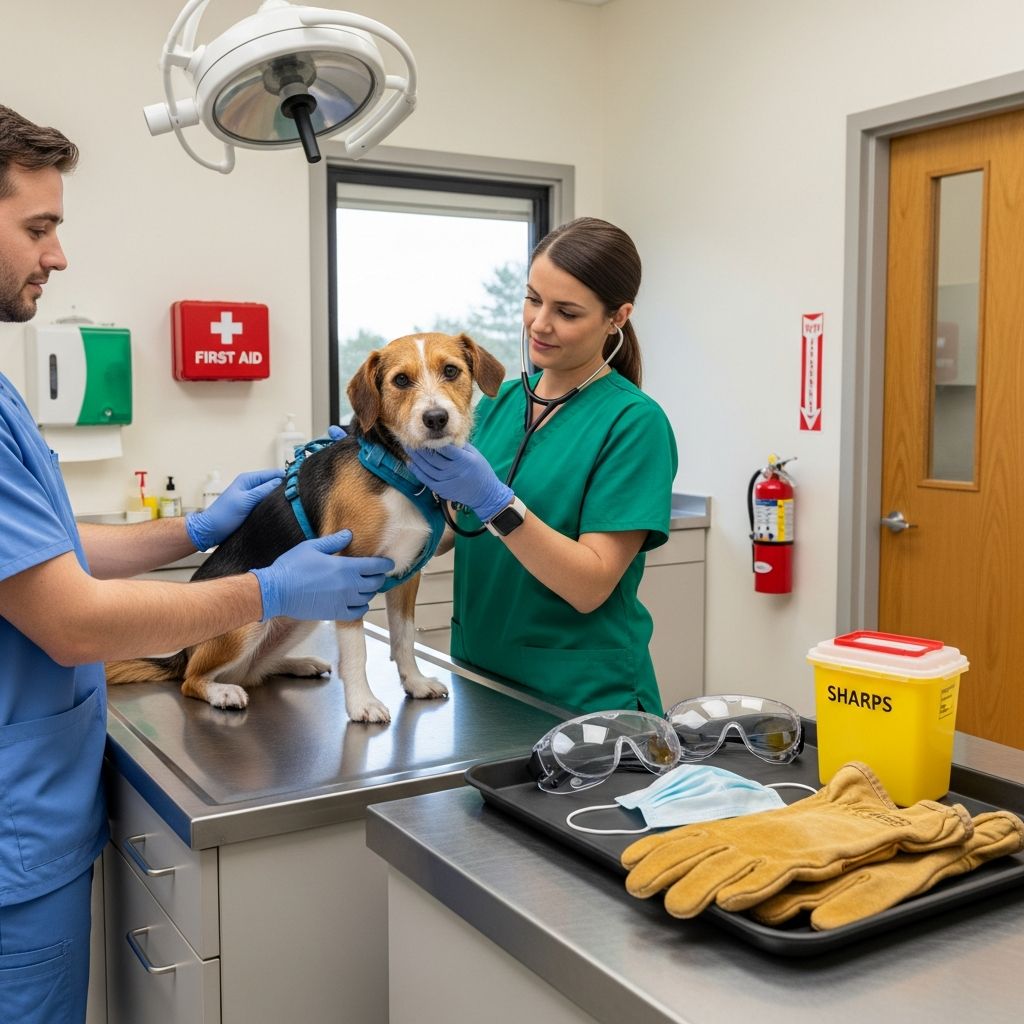
Veterinary professionals face a dynamic array of workplace dangers that demand proactive risk management to safeguard staff health and operational efficiency. From physical assaults by animals to exposure to infectious agents and toxic substances, implementing robust safety protocols is crucial for reducing incidents and ensuring regulatory compliance.
Understanding Core Hazards in Animal Care Environments
Veterinary settings present multifaceted risks that can lead to immediate injuries or long-term health issues. Recognizing these threats forms the foundation of any effective safety program.
- Physical Trauma from Animals: Encounters with agitated or fearful animals often result in bites, kicks, scratches, or crushing injuries, representing a leading cause of reported incidents in clinics.
- Biological Agents: Zoonotic pathogens transmitted via animal fluids or aerosols pose infection risks, including diseases like rabies or brucellosis, necessitating vigilant hygiene and vaccination protocols.
- Chemical Exposures: Handling disinfectants, anesthetics, and chemotherapy agents can cause respiratory irritation, skin burns, or systemic toxicity if not properly managed.
- Sharps and Needlestick Events: Accidental punctures from needles or scalpels introduce contaminants, heightening the chance of localized infections or disease transmission.
- Environmental Slips: Wet surfaces from cleaning, cluttered exam areas, or outdoor weather contribute to falls, which are prevalent across all staff levels.
Regulatory Framework Guiding Veterinary Safety
U.S. occupational health authorities like OSHA and NIOSH establish enforceable standards tailored to high-risk sectors such as veterinary medicine. Compliance not only averts penalties but also fosters a culture of prevention.
| OSHA Standard | Key Requirements for Vets | Application Example |
|---|---|---|
| Hazard Communication (29 CFR 1910.1200) | Labeling, Safety Data Sheets (SDS), employee training on chemicals | Documenting anesthetic gases and disinfectants |
| Bloodborne Pathogens (29 CFR 1910.1030) | Exposure control plans, training, PPE for infectious materials | Handling animal blood potentially carrying human pathogens like HBV |
| Personal Protective Equipment (29 CFR 1910 Subpart I) | Provision, maintenance, and training on PPE | Gloves, goggles, and gowns during procedures |
| Injury Recordkeeping (29 CFR 1904) | Logging illnesses/injuries for clinics over 10 employees | Tracking bite incidents and lost workdays |
Additionally, the General Duty Clause mandates hazard-free workplaces even beyond specific rules, while state radiation regulations add layers for imaging equipment.
Building a Comprehensive Safety Program
A tailored, documented safety initiative is indispensable for veterinary employers, integrating hazard evaluation, control measures, and continuous improvement. Core elements include:
- Initial and ongoing staff training on recognition and mitigation of site-specific dangers.
- Medical surveillance tracking vaccinations, exposures, and health outcomes.
- Emergency response plans for bites, spills, or evacuations.
- Regular equipment checks, especially for restraint devices and ventilation systems.
Adopting the hierarchy of controls—prioritizing elimination over PPE—maximizes effectiveness. For instance, installing scavenging systems eliminates anesthetic gas buildup, while pre-vaccination against rabies substitutes direct risk.
Protective Gear and Engineering Solutions
Personal protective equipment serves as a vital barrier, but its success hinges on proper selection, fit, and usage training.
- Standard PPE: Nitrile gloves resist punctures, face shields block splashes, and steel-toed boots prevent crush injuries.
- Specialized Items: Lead aprons and thyroid shields for radiography; respirators for aerosolized drugs.
- Engineering Aids: Needleless connectors, lidded sharps bins, and automated restraint tables reduce handling needs.
For radiation zones, designate restricted areas with warning signs, dosimetry badges, and controlled access to monitor cumulative doses. Laser procedures require eyewear matched to wavelength and interlocks to prevent accidental firing.
Training and Behavioral Protocols
Empowering teams through education cultivates vigilance. Annual refreshers cover safe animal restraint techniques, chemical spill responses, and post-exposure protocols.
Practical steps include:
- Simulations for aggressive patient management.
- Drills for needlestick first aid and reporting.
- Signage reinforcing no-food zones, closed-toe footwear, and exit paths.
Fostering a non-punitive reporting environment encourages early hazard disclosure, enabling swift corrections.
Radiation and Specialized Hazard Management
Diagnostic imaging and therapeutic lasers introduce unique challenges requiring stringent oversight. Protocols emphasize time minimization, distance maximization, and shielding. Staff monitoring via badges ensures exposures stay below limits, with pregnant personnel reassigned from direct involvement.
Chemotherapy handling demands closed-system transfer devices and dedicated spaces to contain aerosols and spills.
Ergonomics and Psychosocial Factors
Beyond acute risks, repetitive lifting of heavy animals strains musculoskeletal systems, while high-stress environments contribute to burnout. Anti-fatigue mats, adjustable tables, and wellness programs mitigate these.
Implementing Audits and Continuous Improvement
Quarterly walkthroughs identify lapses like unsecured sharps or faded labels. Metrics such as injury rates guide refinements, aligning with OSHA’s emphasis on proactive governance.
Frequently Asked Questions
What PPE is mandatory for veterinary dental cleanings?
Gloves, masks, protective eyewear, and gowns to shield against saliva sprays and sharps.
How often should radiation safety training occur?
Annually, plus upon equipment changes or incident reviews.
Does OSHA require rabies vaccines for vet staff?
Not federally mandated but strongly recommended via exposure plans.
What to do after a needlestick injury?
Wash immediately, report to supervisor, seek medical evaluation, and document for follow-up.
Are volunteers covered under clinic safety plans?
Yes, all personnel must receive hazard briefings and access protections.
Conclusion
Proactive safety integration elevates veterinary practices into resilient operations where staff thrive amid inherent challenges. By leveraging regulations, technology, and training, clinics minimize risks and optimize care delivery.
References
- OSHA Safety in the Veterinary Industry — MedSafe. 2025. https://medsafe.com/osha-compliance/osha-safety-in-the-veterinary-industry/
- 10 Common OSHA Requirements in Veterinary Facilities — Gamma Compliance. 2023. https://www.gammacompliance.com/compliance101/10-common-OSHA-requirements-in-veterinary-facilities
- Workplace safety and health for the veterinary health care team — CDC Stacks. 2010. https://stacks.cdc.gov/view/cdc/201018
- Occupational Safety and Health – Management of Animal… — NCBI Bookshelf. 2017. https://www.ncbi.nlm.nih.gov/books/NBK500440/
- Select Occupational Hazards in Veterinary Medicine… — MSD Veterinary Manual. 2023. https://www.msdvetmanual.com/public-health/occupational-safety-and-health/select-occupational-hazards-in-veterinary-medicine-and-minimization-strategies
- Veterinary Safety and Health Hazard Prevention… — CDC NIOSH. 2023. https://www.cdc.gov/niosh/veterinary/prevention/index.html
- Veterinary Health & Safety Toolkit — NJ.gov. 2022. https://www.nj.gov/health/workplacehealthandsafety/occupational-health-surveillance/Veterinary_HealthSafety_Toolkit.pdf
Similar Articles








Read full bio of medha deb


