
Veterinary Workplace Risks: Key Safety Strategies For Teams
Essential guide to recognizing and mitigating environmental, infectious, and occupational dangers faced by veterinary professionals daily.
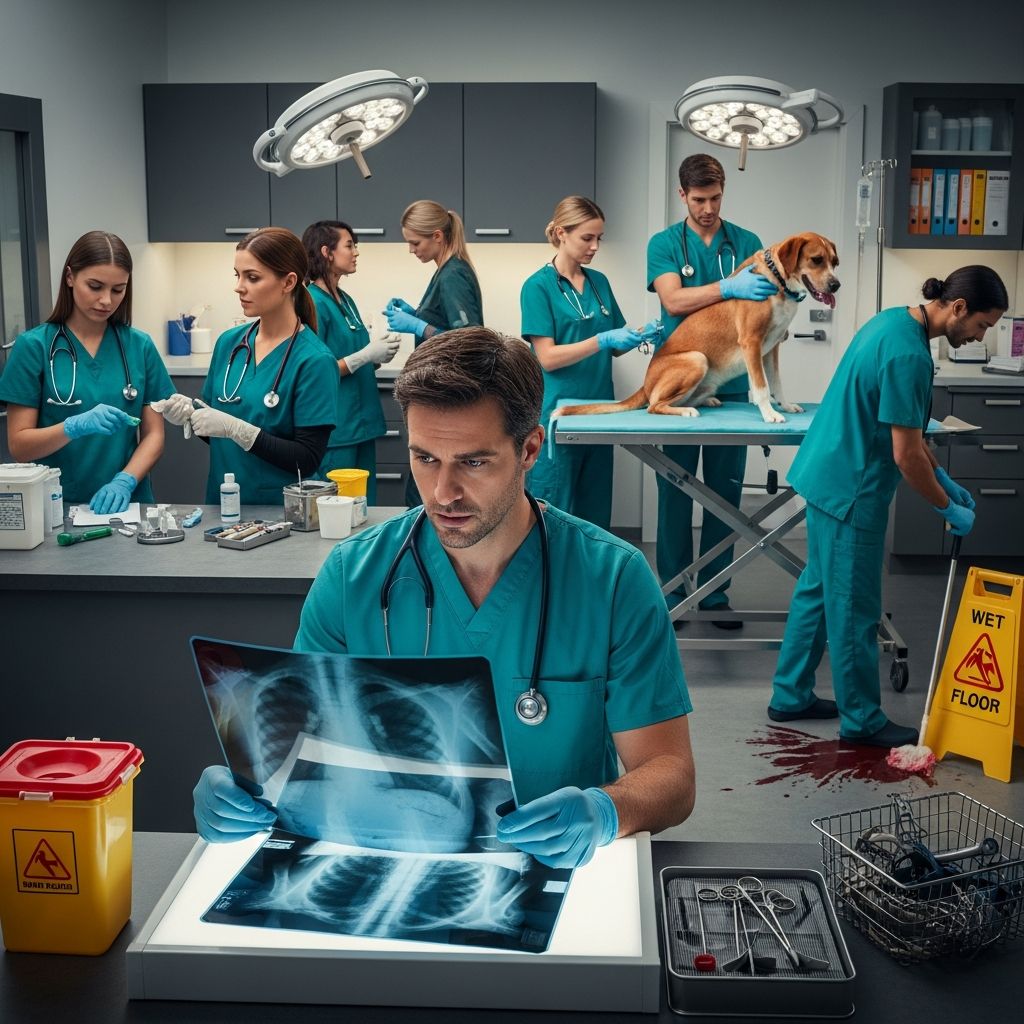
Veterinary professionals encounter a unique array of workplace dangers stemming from close interactions with animals, medical procedures, and facility operations. These risks span biological agents, harmful substances, physical trauma, and ergonomic challenges, all of which demand proactive management to protect staff well-being.
Understanding Biological Threats in Animal Care Settings
Biological hazards represent a primary concern for those working with animals, as they involve pathogens transmissible from animals to humans, known as zoonoses. Exposure occurs through direct contact with infected animals, their bodily fluids, contaminated equipment, or environmental surfaces. Common transmission routes include bites, scratches, inhalation of aerosols, or handling feces and urine.
- Zoonotic Pathogens: Diseases like rabies, leptospirosis, brucellosis, and salmonellosis pose serious threats. For instance, rabies remains fatal without prompt post-exposure prophylaxis, while bacterial infections from scratches can lead to systemic illness.
- Parasitic Risks: Parasites such as Toxoplasma gondii or hookworms can transfer via contaminated soil or animal waste, potentially causing long-term health issues like neurological disorders.
- Vector-Borne Concerns: Ticks, fleas, and mosquitoes in veterinary environments may carry Lyme disease or West Nile virus, amplifying exposure during grooming or examinations.
To counter these, routine vaccination, meticulous hygiene, and isolation protocols for sick animals are essential. Staff training on recognizing symptoms in animals enhances early detection and containment.
Chemical Exposures and Their Long-Term Impacts
Chemical hazards arise from routine use of disinfectants, pharmaceuticals, pesticides, and anesthetic agents in veterinary clinics. Improper handling or ventilation deficiencies can lead to inhalation, skin absorption, or ingestion, resulting in acute irritation or chronic conditions like respiratory diseases or cancer.
| Chemical Type | Sources in Veterinary Work | Health Effects | Control Measures |
|---|---|---|---|
| Anesthetic Gases | Surgery, dentistry | Headaches, nausea, reproductive risks | Scavenging systems, ventilation |
| Disinfectants | Cleaning surfaces | Skin burns, asthma | PPE, dilution protocols |
| Pesticides | Parasite control | Neurological damage | Storage separation, spill kits |
| Hazardous Drugs | Chemotherapy administration | Carcinogenicity | Closed-system transfer devices |
Studies indicate that up to 69% of private practice veterinarians report accidental anesthetic gas exposure, underscoring the need for regular equipment maintenance and air quality monitoring. Latex from gloves presents an additional allergy risk, prompting a shift toward nitrile alternatives.
Physical Injuries from Animal Interactions and Facility Dynamics
Physical trauma accounts for a significant portion of veterinary injuries, often from animal behavior or workplace accidents. Large animals deliver kicks or crushes, while small animals bite or scratch unpredictably, especially when stressed.
- Animal-Related Trauma: Kicks from horses or cattle can fracture bones; dogs and cats frequently cause lacerations. Training in species-specific restraint techniques reduces these incidents.
- Needlestick and Sharps: Hypodermic needles transmit bloodborne pathogens like hepatitis. Never recap needles; use puncture-resistant disposal bins immediately.
- Slips, Trips, Falls: Wet floors from washing, cluttered hallways, or icy exteriors contribute to the most common non-animal injuries. Prompt spill cleanup and clear walkways are critical.
Ergonomic strains from lifting heavy animals or repetitive tasks lead to musculoskeletal disorders affecting up to 70% of workers over time. Adjustable tables and team lifting protocols mitigate these.
Radiation, Noise, and Emerging Technological Hazards
Diagnostic tools and equipment introduce specialized risks. Ionizing radiation from X-rays requires lead aprons, thyroid shields, and dosimeters to prevent cumulative cellular damage.
Noise from barking kennels, dryers, or farm machinery exceeds safe thresholds, risking hearing loss and heightened stress. Hearing conservation programs, including audiometric testing, are recommended where levels surpass 85 dB.
Medical lasers for surgery or therapy can cause burns or eye damage without proper eyewear and beam enclosures. Adherence to ANSI and OSHA standards ensures safe operation.
Psychological and Ergonomic Stressors in Veterinary Practice
Beyond physical dangers, mental health challenges like compassion fatigue, high workload, and shift disruptions contribute to burnout. Surveys reveal veterinarians experience stress levels 2-3 times higher than the general population, correlating with substance abuse and suicide risks.
Ergonomic assessments identify awkward postures during exams or surgeries. Anti-fatigue mats, ergonomic tools, and scheduled breaks alleviate strain.
Implementing Robust Prevention Strategies
A comprehensive safety program integrates hazard identification, training, engineering controls, and administrative policies. Key elements include:
- Personal Protective Equipment (PPE): Gloves, masks, goggles, and face shields tailored to tasks. Regular inspection ensures integrity.
- Training Programs: Annual sessions on hazard recognition, emergency response, and safe handling. Simulation drills build confidence.
- Facility Design: Non-slip flooring, well-lit areas, and separated zones for clean/dirty operations minimize accidents.
- Health Monitoring: Baseline serology for zoonoses, vaccination records, and incident reporting systems track exposures.
Employers must conduct workplace hazard assessments per OSHA guidelines, fostering a culture of safety reporting without reprisal.
Special Considerations for Pregnant Workers and High-Risk Groups
Pregnant veterinary staff face amplified risks from teratogenic agents like certain anesthetics or radiation. Fact sheets recommend minimizing exposure to waste gases, hazardous drugs, and heavy lifting. Alternative duties or leave may be advised during pregnancy.
Frequently Asked Questions (FAQs)
What are the most common injuries in veterinary clinics?
Bites, scratches, needlesticks, and slips account for the majority, with animal handling involved in over half of cases.
How can I protect against zoonotic diseases?
Use PPE, vaccinate against rabies and tetanus, practice hand hygiene, and report exposures promptly for prophylaxis.
Is noise a significant hazard in vet practices?
Yes, kennels and equipment often exceed safe levels; use ear protection and engineering controls like sound barriers.
What PPE is essential for surgery?
Impermeable gowns, double gloves, masks, eye protection, and lead shielding for X-rays.
How do I report a workplace injury?
Notify supervisors immediately, document details, seek medical care, and file OSHA forms if required.
Building a Safer Future for Veterinary Teams
Proactive risk management transforms veterinary workplaces into healthier environments. By prioritizing education, equipment, and empathy for staff challenges, practices not only comply with regulations but also retain talent and enhance patient care outcomes.
References
- Working as a Veterinarian or Veterinarian Technician — MotherToBaby. Accessed 2026. https://mothertobaby.org/fact-sheets/vet-vettech/
- Select Occupational Hazards in Veterinary Medicine and Minimization Strategies — Merck Veterinary Manual / John D. Gibbins, DVM, DACVPM, NIOSH. Accessed 2026. https://www.merckvetmanual.com/public-health/occupational-safety-and-health/select-occupational-hazards-in-veterinary-medicine-and-minimization-strategies
- Occupational health hazards in veterinary medicine — PMC / NIH. 2012-01-01. https://pmc.ncbi.nlm.nih.gov/articles/PMC3258828/
- The 6 Most Common OSHA Hazards of Veterinary Hospitals — Gamma Compliance. Accessed 2026. https://www.gammacompliance.com/compliance101/the-6-most-common-osha-hazards-of-veterinary-hospitals
- Occupational Safety and Health in the Veterinary Field — UNC Digital Repository / NIOSH. Accessed 2026. https://cdr.lib.unc.edu/downloads/xk81jq94f
- Hazards Related to Environmental and Infectious Diseases in Veterinary Medicine — MSD Veterinary Manual. Accessed 2026. https://www.msdvetmanual.com/public-health/occupational-safety-and-health/hazards-related-to-environmental-and-infectious-diseases-in-veterinary-medicine
Similar Articles








Read full bio of Sneha Tete


