
Veterinary Workplace Risks and Safety Measures
Essential guide to identifying and mitigating key occupational dangers faced by veterinary professionals daily.
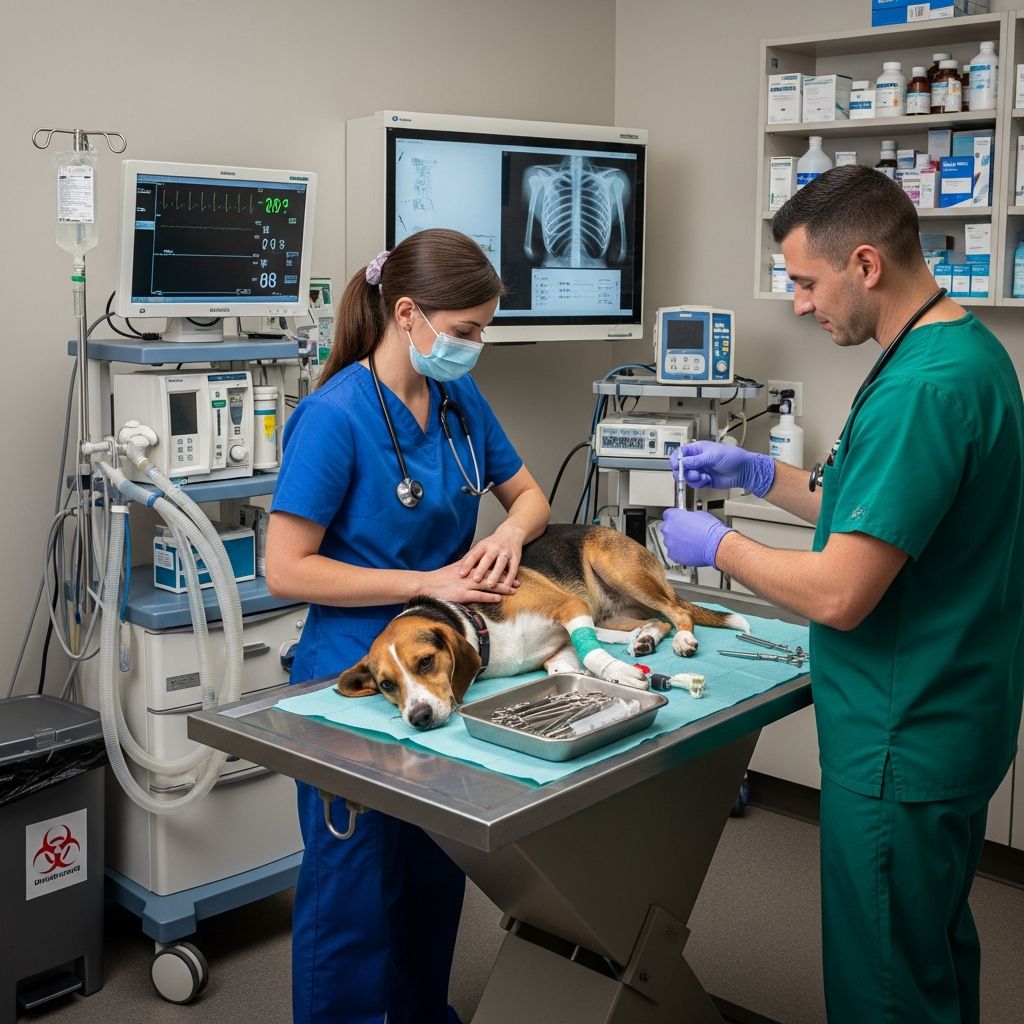
Veterinary professionals face a unique array of occupational hazards due to close interaction with animals, medical equipment, and chemicals. These risks range from physical injuries to long-term health issues, but proactive strategies can significantly reduce them. This article outlines major threats and practical prevention methods to foster safer practices.
Physical Injuries from Animal Interactions
Handling animals constitutes one of the primary sources of injury in veterinary settings. Bites, scratches, kicks, and crushing incidents are frequent, particularly with large or stressed animals. Data from studies in Canada reveal that animal bites represent the most common biological hazard, often leading to infections or lost workdays.
Small animals like dogs and cats can deliver bites carrying pathogens, resulting in conditions such as cellulitis or sepsis. Large animals pose risks of severe trauma through kicks or being stepped on. Australian research highlights that these injuries contribute substantially to time off work.
- Train staff on species-specific handling techniques to predict and avoid aggressive behaviors.
- Use appropriate restraints and work in pairs for high-risk animals.
- Design facilities with safe chutes and pens for large animals, as recommended by agricultural safety experts.
Ergonomic Challenges and Musculoskeletal Disorders
Repetitive tasks, heavy lifting, and awkward postures lead to musculoskeletal disorders (MSDs) affecting many veterinary workers. These include back pain, strains, and soft-tissue injuries from lifting animals or prolonged bending during procedures.
Employers must conduct regular ergonomic assessments to identify risky tasks. Simple adjustments, such as adjustable exam tables or lift assists, can prevent chronic issues. A comprehensive workplace evaluation helps tailor solutions to specific practice needs.
| Risk Factor | Examples in Vet Practice | Prevention Strategy |
|---|---|---|
| Lifting | Heavy patients or equipment | Use mechanical lifts or team lifts |
| Repetition | Surgeries, grooming | Rotate tasks, take micro-breaks |
| Posture | Bending over tables | Adjustable workstations |
Preventing Slips, Trips, and Falls
Wet floors from cleaning, cluttered walkways, and uneven surfaces are leading causes of injuries in clinics. These accidents affect staff and clients alike, often resulting in sprains or fractures.
Implement immediate spill cleanup protocols and use non-slip footwear. Regular housekeeping, clear signage, and organized storage minimize these hazards. Training ensures everyone recognizes and reports unsafe conditions promptly.
Chemical and Anesthetic Gas Exposures
Veterinary work involves disinfectants, pesticides, antibiotics, and anesthetic gases, posing risks of respiratory issues, skin irritation, or long-term toxicity. Accidental exposure to gases occurs in up to 69% of private practices.
Proper ventilation, scavenging systems for anesthesia machines, and regular maintenance are crucial. Staff training on chemical handling and storage prevents mishaps. Use low-exposure alternatives where possible.
- Ensure well-ventilated surgery areas.
- Store chemicals in labeled, secure cabinets.
- Monitor air quality and use respirators for high-risk tasks.
Noise Pollution in Animal Care Environments
Barking dogs, whining swine, and equipment like dryers generate noise levels exceeding safe limits, leading to hearing loss and stress. Regulatory bodies like OSHA define hazardous thresholds that clinics must monitor.
Engineering controls such as sound barriers or quieter equipment help. Enroll exposed workers in hearing conservation programs with audiometric testing. Animal welfare improves with reduced noise too.
Radiation and Laser Safety Protocols
Ionizing radiation from X-rays and medical lasers presents risks of burns, retinal damage, or cancer if mishandled. Veterinary staff must follow strict guidelines from ANSI and OSHA.
Always use lead aprons, thyroid shields, and dosimeters. Limit exposure time and distance from sources. For lasers, employ interlocks, warning signs, and protective eyewear specific to the wavelength.
Sharps and Needlestick Prevention
Needlestick injuries introduce biological or chemical contaminants, causing infections or toxic exposures. They are more common in small animal practices.
Never recap needles; use safety-engineered sharps and puncture-proof disposal containers. Post-exposure protocols include immediate washing and reporting for testing/treatment. AVMA endorses OSHA bloodborne pathogen standards.
Zoonotic Diseases and Allergens
Transmission of diseases like ringworm or rabies occurs through contact, with only 16.7% of vets reporting events but underreporting likely. Allergies to dander, fluids, or latex affect many, causing asthma or dermatitis.
Wear gloves, masks, and gowns; vaccinate against rabies. Isolate infectious cases and educate on hygiene. Allergy management includes hypoallergenic alternatives.
Motor Vehicle and Stress-Related Hazards
Farm calls involve vehicle accidents on rural roads, while high workloads cause physiologic stress, burnout, or mental health issues.
Defensive driving training, vehicle maintenance, and workload management mitigate these. Promote mental health resources and balanced schedules.
Implementing a Comprehensive Safety Program
A robust safety culture starts with hazard assessments, employee training, and PPE provision. Regular drills, incident reporting, and audits ensure compliance. OSHA tools for hospitals adapt well to vet settings.
Combine administrative controls, engineering fixes, and PPE for layered protection. Engage all staff in safety committees for ownership.
Frequently Asked Questions (FAQs)
What is the most common injury in veterinary medicine?
Animal bites and scratches top the list, often leading to infections.
How can I reduce ergonomic strain?
Use lift equipment, adjust workstations, and incorporate stretching routines.
Is PPE mandatory for all procedures?
Yes, select task-appropriate PPE to guard against biological, chemical, and physical risks.
What should I do after a needlestick?
Wash immediately, report to supervisor, and seek medical evaluation.
How often should noise levels be checked?
Annually or after equipment changes, per OSHA guidelines.
Key Takeaways for Veterinary Safety
- Prioritize training in animal handling and hazard recognition.
- Invest in ergonomic tools and PPE.
- Maintain equipment and conduct regular inspections.
- Foster a reporting culture without blame.
References
- Occupational health hazards in veterinary medicine: Zoonoses and … — PMC/NCBI. 2012-02-01. https://pmc.ncbi.nlm.nih.gov/articles/PMC3258827/
- Select Occupational Hazards in Veterinary Medicine and … — Merck Veterinary Manual. 2023-01-01. https://www.merckvetmanual.com/public-health/occupational-safety-and-health/select-occupational-hazards-in-veterinary-medicine-and-minimization-strategies
- Occupational health hazards in veterinary medicine – PMC – NIH — PMC/NCBI. 2012-02-01. https://pmc.ncbi.nlm.nih.gov/articles/PMC3258828/
- The 6 Most Common OSHA Hazards of Veterinary Hospitals — Gamma Compliance. 2023-01-01. https://www.gammacompliance.com/compliance101/the-6-most-common-osha-hazards-of-veterinary-hospitals
- Occupational Safety and Health in the Veterinary Field — UNC Digital Repository. 2019-01-01. https://cdr.lib.unc.edu/downloads/xk81jq94f
- Hazards Related to Environmental and Infectious Diseases in … — MSD Veterinary Manual. 2023-01-01. https://www.msdvetmanual.com/public-health/occupational-safety-and-health/hazards-related-to-environmental-and-infectious-diseases-in-veterinary-medicine
Similar Articles








Read full bio of medha deb


