
Veterinary Urinalysis: Essential Guide For Accurate Testing
Master urine analysis in veterinary practice for accurate diagnosis and pet health management.
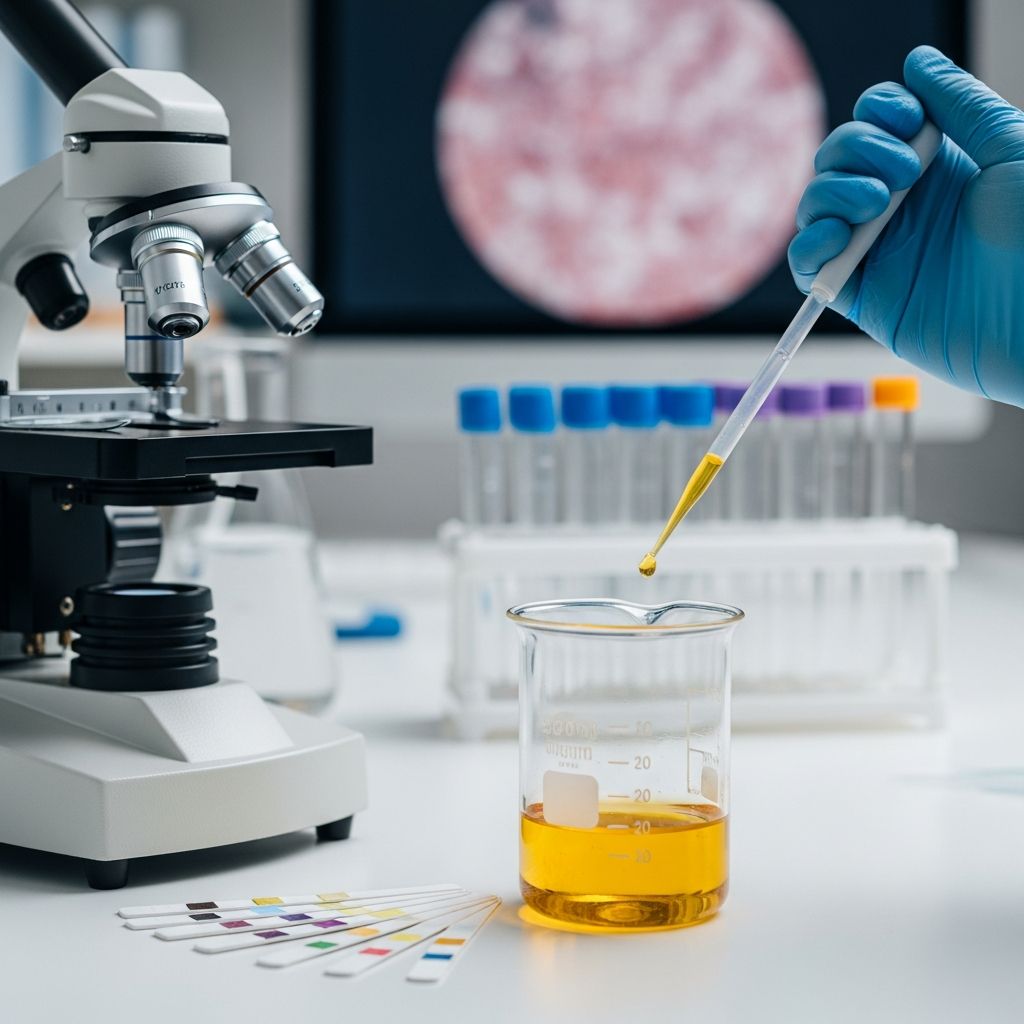
Urinalysis remains a cornerstone of veterinary diagnostics, offering insights into kidney function, urinary tract health, and systemic conditions in companion animals. This essential test evaluates physical properties, chemical composition, and microscopic elements to guide treatment decisions effectively.
Importance of Urinalysis in Animal Health
Urine testing provides a non-invasive window into an animal’s metabolic and renal status. Abnormal findings can signal issues like diabetes, infections, or crystal formation early, allowing timely intervention. Regular urinalysis is vital during wellness exams and for monitoring chronic diseases.
Selecting the Right Urine Collection Method
Choosing an appropriate collection technique minimizes contamination and ensures reliable results. The method impacts interpretation, as free-catch samples may include contaminants while sterile methods yield purer specimens.
- Free-catch: Simplest approach where the animal urinates into a clean container. Ideal for initial screening but prone to bacterial or cellular contamination from the urethra.
- Catheterization: Involves passing a sterile tube through the urethra into the bladder. Suitable for male dogs; requires sedation in females and cats to reduce discomfort.
- Cystocentesis: Preferred for culture; uses a needle to aspirate urine directly from the bladder, avoiding lower tract contaminants.
Performing Cystocentesis Safely
For cystocentesis, position the patient in lateral or dorsal recumbency. Palpate the bladder in the caudal abdomen to confirm fullness. Use a 22-gauge, 1-1.5 inch needle on a 6-12 mL syringe. Clean the site with alcohol, isolate the bladder, and insert the needle at a 45-degree angle. Apply gentle suction to collect 5-10 mL.
Ultrasound guidance enhances precision: visualize the bladder, then advance the needle under real-time imaging for safer aspiration.
Sample Handling Protocols
Analyze fresh urine within 30 minutes to prevent artifactual changes like crystal formation or bacterial overgrowth. Refrigerate at 4°C if delay is unavoidable, warming to room temperature before testing. Use sterile glass or red-top tubes; avoid plastic to prevent leaching[10].
| Method | Pros | Cons | Best Use |
|---|---|---|---|
| Free-catch | Easy, no sedation | Contamination risk | Screening |
| Catheterization | Sterile access | Sedation often needed | Male dogs |
| Cystocentesis | Minimal contamination | Invasive | Culture, kidney eval |
Visual and Physical Assessment
Begin with gross examination: note volume, color, and clarity. Normal urine is pale yellow to amber and clear. Cloudiness suggests cells, crystals, or bacteria; red tinges indicate blood.
- Color variations: Dark urine may reflect concentration or hemoglobin; green from bilirubin or dyes.
- Turbidity: Hazy samples warrant sediment exam.
Measuring Urine Specific Gravity
Specific gravity (USG) gauges concentration via refractometer. Calibrate daily with distilled water. Place a urine drop on the prism, close the cover, and read at the light-dark boundary. Normal ranges: dogs 1.015-1.045, cats 1.020-1.060.
Isosthenuria (USG 1.008-1.012) signals poor concentrating ability, common in renal disease. Digital refractometers offer precision for small volumes.
Chemical Analysis Using Dipsticks
Dipsticks assess pH, protein, glucose, ketones, bilirubin, blood, and nitrites. Dip into well-mixed urine, tap excess, and read at specified times under good light. Avoid pad cross-contamination.
- pH: Dogs 5.5-7.5; acidic shifts with diet or infection.
- Protein: Trace normal; higher suggests glomerular damage.
- Glucose: Absent normally; indicates diabetes.
- Blood: Hematuria or hemoglobinuria.
Confirm positives: Ictotest for bilirubin, Acetest for ketones.
Preparing and Examining Urine Sediment
Centrifuge 3-5 mL at 1000-1500 rpm for 3-5 minutes. Decant supernatant, resuspend sediment in 0.5 mL residual urine, and place a drop on a slide with coverslip.
Scan unstained at 10x for casts/crystals, 40x for cells/bacteria. Report averages per field.
| Element | Normal/Field | Abnormal Significance |
|---|---|---|
| RBCs | 0-2 LP | Hematuria, trauma |
| WBCs | 0-2 HP | Infection |
| Crystals | Variable | urolithiasis risk |
| Casts | Rare hyaline | Renal tubular damage |
Interpreting Common Findings
Integrate all parameters: dilute USG with glucosuria suggests diabetes; pyuria with bacteriuria indicates UTI. Crystals correlate with pH—struvite in alkaline, calcium oxalate in acid urine.
Proteinuria without cells may point to glomerular disease; quantify with urine protein:creatinine ratio if persistent.
Advanced Techniques and Automation
Automated analyzers like IDEXX VetLab streamline dipstick and sediment imaging, flagging bacteria or anomalies for manual review. Ultrasound-guided collection improves safety in obese patients.
Quality Control in Private Practice
Standardize protocols: consistent centrifugation speeds, calibrated instruments, and timely analysis. Train staff on artifact recognition, like post-refrigeration crystals[10].
Frequently Asked Questions
What if urine analysis is delayed?
Refrigerate immediately; analyze within 24 hours. Warming prevents false low USG.
Is cystocentesis safe for all pets?
Generally yes, but avoid in coagulopathies or empty bladders.
How accurate are dipsticks for bacteria?
Nitrite detects some; sediment confirms. Culture sterile samples for definitive ID.
What USG indicates kidney failure?
Persistent isosthenuria (1.008-1.012) with other azotemia signs.
Can diet affect results?
Yes, high-protein diets alkalinize urine; fasting for chemistry if needed.
Best Practices Summary
- Collect via cystocentesis for cultures.
- Analyze promptly or refrigerate.
- Combine gross, chemical, sediment for full picture.
- Correlate with clinical signs and bloodwork.
References
- Urinalysis in Companion Animals: Collection, Handling, & Evaluation — Today’s Veterinary Practice. 2023. https://todaysveterinarypractice.com/clinical-pathology/todays-technician-urinalysis-in-companion-animals-part-1-collection-sample-handling-initial-evaluation/
- Urinalysis | VCA Animal Hospitals — VCA. 2024. https://vcahospitals.com/know-your-pet/urinalysis
- Urinalysis: a step by step approach (Proceedings) — dvm360. 2022. https://www.dvm360.com/view/urinalysis-step-step-approach-proceedings
- The Complete Urinalysis Sample Guide — IDEXX. 2023. https://www.idexx.com/files/sedivue-urinalysis-sample-guide-en.pdf
- Urine Sediment — Merck Veterinary Manual. 2024. https://www.merckvetmanual.com/clinical-pathology-and-procedures/diagnostic-procedures-for-the-private-practice-laboratory/urinalysis
- Your Guide to Urinalysis for Dogs & Cats — VRCC. 2023-06-30. https://www.vrcc.com/site/blog/2023/06/30/urinalysis-dog
- Urinalysis | Cornell University College of Veterinary Medicine — Cornell University (.edu). 2024. https://www.vet.cornell.edu/animal-health-diagnostic-center/testing/testing-protocols-interpretations/urinalysis
Similar Articles








Read full bio of Sneha Tete


