

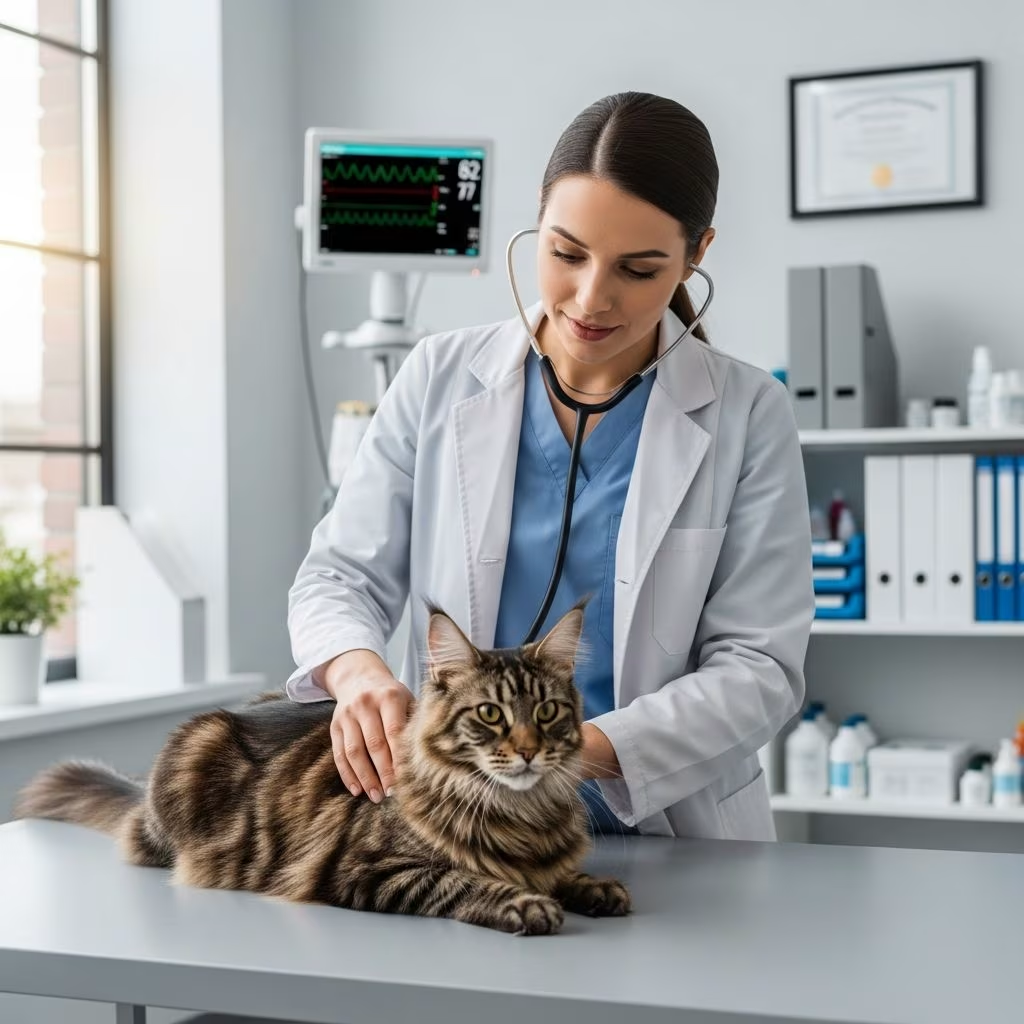
Board-certified veterinary specialists undergo extensive training beyond general veterinary school to address complex feline health challenges. These experts focus on specific areas like heart conditions, eye diseases, or cancers, often stepping in after a primary vet identifies the need for advanced diagnostics or treatments.
Why Cats Benefit from Specialized Veterinary Care
Cats often hide symptoms of illness, making early detection tricky. General veterinarians handle routine care, but specialists use cutting-edge tools and deep knowledge for precise interventions. The American Veterinary Medical Association (AVMA) recognizes over 40 specialties, with many applicable to felines. Referrals typically occur for persistent issues unresponsive to standard treatments.
Heart and Cardiovascular Experts: Feline Cardiologists
Feline cardiologists diagnose and manage heart diseases such as hypertrophic cardiomyopathy, common in breeds like Maine Coons. They perform echocardiograms, electrocardiograms, and prescribe tailored medications to improve heart function and quality of life. These specialists monitor conditions like arrhythmias, preventing sudden cardiac events through ongoing assessments.
Eye Care Professionals: Veterinary Ophthalmologists
Ophthalmologists treat feline eye disorders including glaucoma, cataracts, and corneal ulcers. Using specialized equipment like slit-lamp biomicroscopy, they conduct surgeries such as lens removal or corneal grafts. Early intervention preserves vision, crucial since cats rely heavily on sight for navigation.
Cancer Treatment Authorities: Veterinary Oncologists
Oncologists specialize in feline cancers like lymphoma, employing chemotherapy, radiation, and immunotherapy. They balance aggressive treatments with minimizing side effects, often collaborating with primary vets for holistic care plans. Survival rates have improved with targeted therapies.
Brain and Nerve Specialists: Veterinary Neurologists
Neurologists address seizures, spinal cord injuries, and vestibular diseases in cats. Advanced imaging like MRI guides their diagnoses, followed by treatments ranging from medications to neurosurgery. They differentiate neurological issues from metabolic causes for accurate management.
Skin and Allergy Experts: Veterinary Dermatologists
Dermatologists tackle chronic feline skin problems such as eosinophilic granuloma complex or allergic dermatitis. Through skin biopsies, allergy testing, and novel therapies like cyclosporine, they alleviate itching and infections that impair a cat’s comfort.
Emergency and Intensive Care Providers
Emergency and critical care specialists stabilize cats in life-threatening situations like trauma, toxin ingestion, or acute kidney failure. Equipped with 24/7 monitoring and ventilators, they provide rapid interventions essential for survival.
Internal Medicine for Complex Feline Conditions
Small animal internal medicine specialists handle multifaceted diseases involving kidneys, liver, or gastrointestinal tract. Endoscopy, ultrasound, and biopsies enable precise diagnoses for issues like inflammatory bowel disease or hyperthyroidism.
Dental Health Guardians: Veterinary Dentists
Dentists perform advanced procedures like extractions, root canals, and jaw fracture repairs under anesthesia. They combat periodontal disease, prevalent in cats, preventing pain and systemic spread of bacteria.
Behavior and Mental Health Consultants
Behavioral specialists diagnose anxiety, aggression, or elimination issues using ethograms and environmental modifications. They prescribe behavior-modifying drugs alongside training protocols to strengthen the cat-owner bond.
Nutrition and Dietary Management Pros
Nutritionists craft custom diets for obese cats, those with renal disease, or food sensitivities. They collaborate on therapeutic feeding plans that support chronic condition management.
Imaging and Diagnostic Imaging Experts: Radiologists
Radiologists interpret X-rays, CT scans, and MRIs to uncover hidden issues like tumors or fractures. Their non-invasive techniques aid multiple specialists in planning treatments.
Reproduction and Breeding Advisors: Theriogenologists
Theriogenologists assist with infertility, dystocia, or neonatal care in breeding cats. They perform artificial insemination and manage hormonal therapies for optimal reproductive health.
Toxin and Poison Control Specialists
Toxicologists identify and counteract poisons like lilies or antifreeze, common feline threats. They guide decontamination and antidotes, often via poison control hotlines integrated with veterinary care.
Understanding Board Certification and Training Paths
Becoming a specialist requires a veterinary degree, one-year internship, 3-year residency, and passing rigorous board exams. Organizations like the American College of Veterinary Internal Medicine (ACVIM) oversee credentials, ensuring high standards.
| Specialty | Common Cat Conditions | Key Procedures |
|---|---|---|
| Cardiology | Hypertrophic cardiomyopathy | Echocardiogram, Holter monitoring |
| Ophthalmology | Glaucoma, uveitis | Enucleation, laser therapy |
| Oncology | Lymphoma, squamous cell carcinoma | Chemotherapy, radiation |
| Dermatology | Allergies, ringworm | Intradermal testing, biopsies |
| Neurology | Epilepsy, intervertebral disc disease | MRI, cerebrospinal fluid tap |
When to Request a Specialist Referral
- Persistent symptoms despite treatment.
- Need for advanced diagnostics like MRI or endoscopy.
- Complex diseases requiring multidisciplinary input.
- Surgical interventions beyond general capabilities.
- Chronic conditions needing long-term specialized management.
Finding and Preparing for a Specialist Visit
Primary vets facilitate referrals to ACVIM- or AVMA-recognized boards. Prepare by gathering medical records, noting symptoms, and listing questions. Expect higher costs but superior outcomes for challenging cases.
FAQs
What distinguishes a veterinary specialist from a general vet?
Specialists complete additional years of training and board certification in a niche area.
How much do cat specialists cost?
Consults range from $200-$500, with procedures higher; insurance often covers referrals.
Do all cat issues require a specialist?
No, routine care stays with general vets; specialists handle complexities.
Can specialists treat emergency cases?
Many do, especially in critical care, but coordinate with primary vets.
Are feline-specific specialists available?
Yes, some focus exclusively on cats within broader specialties.
Advancements Shaping Feline Specialty Care
Telemedicine, minimally invasive surgeries, and regenerative medicine like stem cell therapy are revolutionizing treatments. Specialists integrate these with evidence-based protocols for better prognoses.
References
- What is a Specialty Vet? Does My Dog or Cat Need One? — VHA Vets. 2023. https://vhavets.com/blog/what-is-a-specialty-vet/
- A Guide to the Types of Veterinary Specialists — Weave. 2024. https://www.getweave.com/types-of-veterinary-specialists/
- Veterinary Specialties: 24 Types from A-Z — The Academy of Pet Careers. 2023. https://www.theacademyofpetcareers.com/blog/veterinary-specialties/
- Understanding The Different Veterinary Specialty Options for Your Animal’s Care — VetSpecialists.com. 2022-10-12. https://www.vetspecialists.com/vet-blog-landing/the-vet-specialists-blog/2022/10/12/understanding-the-different-veterinary-specialty-options-for-your-animal-s-care
- Introduction, Definitions and Recognized Veterinary Specialties — AAHA. 2025. https://www.aaha.org/resources/2025-aaha-referral-guidelines/introduction-definitions-and-recognized-veterinary-specialties/
- AVMA List of Specialties — WV Board of Veterinary Medicine. 2024. https://www.wvbvm.gov/Portals/WVBVM/docs/Forms/AVMA%20List%20of%20Specialties.pdf
- Veterinary specialties — American Veterinary Medical Association. 2025. https://www.avma.org/education/veterinary-specialties



