
Veterinary Serum Biochemistry Ranges: 7 Species Reference
Comprehensive guide to normal serum biochemical values across common animal species for accurate veterinary diagnostics and health assessment.
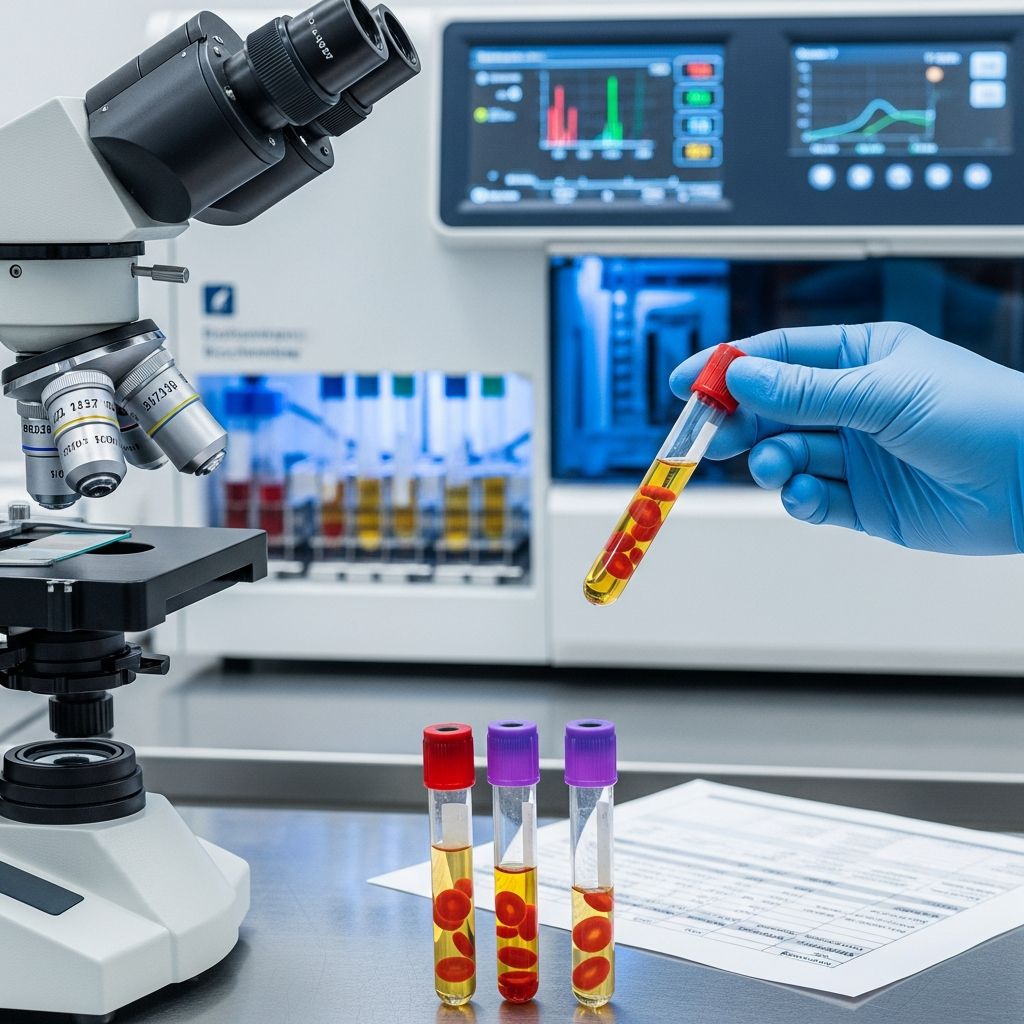
Serum biochemical analysis forms the cornerstone of modern veterinary diagnostics, providing critical insights into an animal’s metabolic, hepatic, renal, and electrolyte status. These tests measure concentrations of enzymes, proteins, electrolytes, and metabolites in blood serum, helping veterinarians identify diseases, monitor treatments, and assess overall health. Reference ranges represent normal values derived from healthy populations of specific species, age groups, and breeds, but they can vary by laboratory methods, equipment, and regional factors.
Importance of Reference Ranges in Animal Health
Understanding normal serum biochemistry values is vital for interpreting lab results accurately. Deviations from these ranges can signal conditions like kidney failure (elevated urea), liver disease (high liver enzymes), or dehydration (increased proteins). Veterinarians must consider factors such as age, diet, pregnancy, and stress, which influence these levels. For instance, growing animals often show higher phosphorus due to bone development, while seniors may have altered albumin levels.
Laboratories establish ranges using statistical methods on large sample sizes from healthy animals, typically defining the central 95% of values. Always prioritize lab-specific ranges over general ones, as methodologies differ—enzymatic assays versus colorimetric can yield variations of 10-20%.
Key Biochemical Parameters Explained
Serum profiles include over 20 analytes grouped by organ system. Here’s a breakdown of major categories:
- Electrolytes: Sodium, potassium, chloride, and phosphorus maintain fluid balance and nerve function.
- Proteins: Total protein, albumin, and globulin reflect nutrition, inflammation, and liver synthesis.
- Renal Markers: Urea nitrogen and creatinine indicate kidney filtration efficiency.
- Liver Enzymes: ALT, AST, ALP, and GGT detect hepatocellular damage or cholestasis.
- Metabolites: Glucose, cholesterol, and bilirubin assess energy metabolism and bile flow.
Each parameter’s clinical relevance varies by species. For example, cats tolerate higher potassium levels than dogs without hyperkalemia risks.
Species-Specific Serum Reference Ranges
Reference values differ markedly across species due to physiology. Below are compiled ranges for common domestic animals, adapted from veterinary pathology texts. Units are standardized in SI where possible; consult local labs for conversions.
Dogs: Common Companion Canine Benchmarks
Dogs, the most frequently tested species, have well-established ranges. Puppies under 6 months often show elevated ALP from bone growth.
| Analyte | Unit | Adult Range |
|---|---|---|
| Sodium | mmol/L | 142–152 |
| Potassium | mmol/L | 3.9–5.1 |
| Magnesium | mmol/L | 0.7–1.0 |
| Phosphorus | mmol/L | 0.9–1.7 |
| Total Protein | g/L | 54–75 |
| Albumin | g/L | 23–31 |
| Urea Nitrogen | mmol/L | 2.9–10.0 |
Geriatric dogs may have slightly lower albumin (22–39 g/L).
Cats: Feline Metabolic Profiles
Cats exhibit unique values, like narrower sodium ranges and higher tolerance for azotemia in chronic kidney disease.
| Analyte | Unit | Adult Range |
|---|---|---|
| Sodium | mmol/L | 146–156 |
| Potassium | mmol/L | 3.7–6.1 |
| Magnesium | mmol/L | 0.7–1.1 |
| Phosphorus | mmol/L | 1.0–2.0 |
| Total Protein | g/L | 60–79 |
| Albumin | g/L | 28–39 |
| Urea Nitrogen | mmol/L | 6.8–12.1 |
Kittens have lower proteins, rising to adult levels by 5 months.
Horses: Equine Biochemistry Insights
Horses show higher muscle enzymes due to athletic builds; phosphorus peaks in foals.
| Analyte | Unit | Adult Range |
|---|---|---|
| Sodium | mmol/L | 128–142 |
| Potassium | mmol/L | 2.9–4.6 |
| Magnesium | mmol/L | 0.6–0.9 |
| Phosphorus | mmol/L | 0.5–1.5 |
| Total Protein | g/L | 56–76 |
| Albumin | g/L | 26–41 |
| Urea Nitrogen | mmol/L | 3.9–9.6 |
Seasonal ACTH variations affect endocrine tests.
Cattle and Ruminants: Livestock Standards
Cattle have elevated globulins from rumen microbes; urea reflects forage quality.
| Analyte | Unit | Adult Range |
|---|---|---|
| Sodium | mmol/L | 135–150 |
| Potassium | mmol/L | 4.4–6.7 |
| Magnesium | mmol/L | 1.11–1.52 |
| Phosphorus | mmol/L | 1.71–3.10 |
| Total Protein | g/L | 79–89 |
| Albumin | g/L | 19–39 |
| Urea Nitrogen | mmol/L | 3.6–10.7 |
Calves under 5 months have lower hematocrits.
Other Species: Pigs, Sheep, Goats
Pigs: Phosphorus 1.3–2.2 mmol/L, protein 40–54 g/L.
Sheep: Potassium 3.5–6.7 mmol/L.
Goats: Sodium 147–157 mmol/L.
Factors Influencing Biochemical Values
Several variables alter serum levels:
- Age: Neonates have low albumin; adults stabilize by 6 months.
- Breed: Sight hounds like Greyhounds have higher RBC but similar chemistries.[10]
- Diet and Fasting: Lipemia from fatty meals elevates bilirubin; fasting standardizes glucose.
- Sample Handling: Hemolysis falsely raises potassium; icterus interferes with enzymes.
- Physiological States: Pregnancy lowers albumin; exercise spikes CK/AST.
Labs like IDEXX note geriatric shifts, e.g., canine albumin dropping to 22–39 g/L.
Interpreting Abnormal Results
Out-of-range values require context. Hypernatremia (high sodium) suggests dehydration; hypokalemia links to GI loss. Patterns matter: combined high urea/creatinine points to renal failure. Liver panels with high ALT/GGT indicate damage, while high ALP alone may be bone-related in youth.
Therapeutic monitoring, like bromide in epileptic dogs (12.5–37.5 mmol/L), uses specific ranges.
Practical Tips for Veterinarians
- Collect fasted morning samples to minimize postprandial effects.
- Use serum over plasma for most analytes to avoid anticoagulant interference.
- Compare to breed/age-specific data from sources like Cornell or Guelph labs.
- Trend serial results rather than single tests.
- Consult pathology experts for discrepancies.
Common Pitfalls in Serum Analysis
Avoid misdiagnosis by noting:
- Lab variation: In-house analyzers differ from reference labs by up to 15%.
- Species mix-ups: Equine potassium is lower than canine.
- Unit errors: mg/dL vs. mmol/L conversions (e.g., phosphorus mg/dL = mmol/L × 3.1).
FAQs on Veterinary Serum Biochemistry
What if my animal’s values are slightly outside range?
Slight deviations may be normal; retest and correlate with clinical signs.
Do reference ranges apply to exotic pets?
Limited data exists; use with caution and species-specific literature.
How often should biochemistry panels be run?
Annually for wellness, more frequently for ill or at-risk animals.
Are SI units standard?
Yes in most global labs, but US often uses conventional units.
What causes false elevations?
Hemolysis, lipemia, or improper storage.
Advances in Veterinary Clinical Pathology
Modern analyzers like Cobas 501 provide rapid, precise results with species-adjusted intervals. Research expands ranges for breeds like pigs (e.g., 6-week-old Hampshire-Yorkshire crosses). Future trends include point-of-care devices harmonizing with central labs.
References
- Serum Biochemical Analysis Reference Ranges — Merck Veterinary Manual. 2023. https://www.merckvetmanual.com/reference-values-and-conversion-tables/reference-guides/serum-biochemical-analysis-reference-ranges
- Serum Biochemical Analysis Reference Ranges Table — Merck Veterinary Manual. 2023. https://www.merckvetmanual.com/multimedia/table/serum-biochemical-analysis-reference-ranges
- Reference Intervals – Veterinary Pathology — Iowa State University College of Veterinary Medicine. 2024. https://vetmed.iastate.edu/vpath/services/diagnostic-services/clinical-pathology-diagnostic-and-research-services/testing-and-fees/reference-intervals/
- Biochemistry reference intervals — University of Guelph Animal Health Laboratory. 2024. https://www.uoguelph.ca/ahl/biochemistry-reference-intervals
- Reference Ranges for the Catalyst One Chemistry Analyzer — IDEXX Laboratories. 2023. https://www.idexx.com/files/catalyst-species-reference-ranges.pdf
- Chemistry (Cobas) Reference Intervals — Cornell University Animal Health Diagnostic Center. 2024. https://www.vet.cornell.edu/animal-health-diagnostic-center/laboratories/clinical-pathology/reference-intervals/chemistry-cobas
Similar Articles








Read full bio of Sneha Tete


