

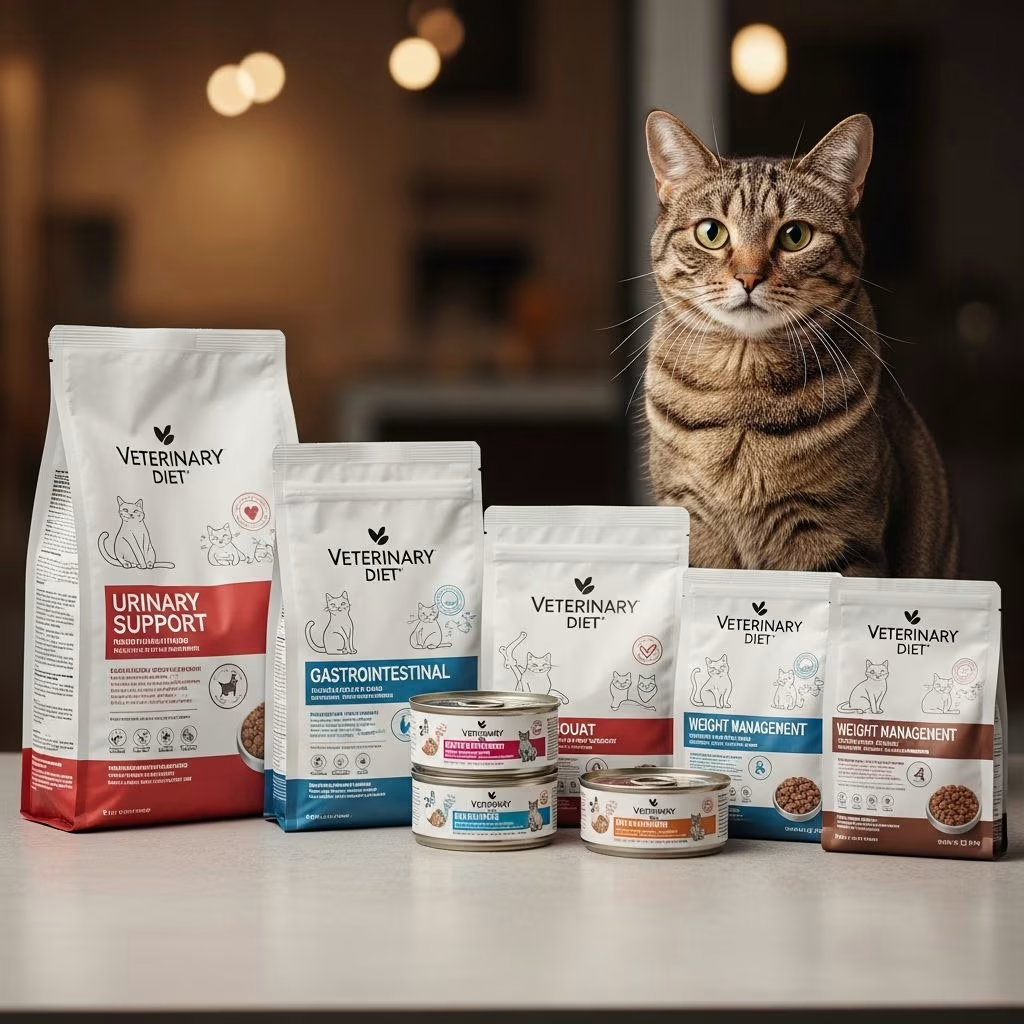
Specialized prescription diets formulated for cats address unique health challenges by providing precise nutritional profiles that standard foods cannot match. These therapeutic formulas, available only through veterinary recommendation, target conditions such as food allergies, chronic digestive issues, kidney disease, diabetes, and weight management problems. Developed through extensive research, they incorporate altered protein structures, controlled mineral levels, and bioactive compounds to support recovery and long-term wellness.
Understanding the Role of Prescription Cat Foods
Veterinary diets differ from over-the-counter options by undergoing rigorous testing to meet specific therapeutic needs. Unlike regular cat foods designed for general maintenance, these prescriptions adjust macronutrients, minerals, and additives to mitigate disease progression. For instance, they may feature hydrolyzed proteins—broken down into tiny fragments too small for the immune system to recognize as allergens—or reduced phosphorus to ease kidney burden.
The necessity arises from cats’ obligate carnivore physiology, which makes them prone to issues like urinary tract disorders and metabolic imbalances. A veterinarian assesses the cat’s condition via diagnostics, then selects a diet tailored to bloodwork results, symptoms, and lifestyle. This targeted approach not only alleviates symptoms but also prevents complications, extending lifespan and vitality.
Key Conditions Treated by Feline Prescription Diets
Prescription foods play a pivotal role in managing a spectrum of feline ailments. Below is an overview of primary applications:
- Food Allergies and Intolerances: Cats exhibiting itching, ear infections, or gastrointestinal upset from protein sources like beef or chicken benefit from hypoallergenic formulas.
- Chronic Enteropathies like IBD: Immune-mediated gut inflammation responds to highly digestible diets that minimize irritation.
- Renal Disorders: Early to advanced kidney disease requires low-protein, low-phosphorus recipes to reduce waste buildup.
- Diabetes Mellitus: Low-carbohydrate, high-fiber blends help stabilize blood glucose.
- Obesity and Urinary Health: Calorie-controlled or urine-acidifying diets prevent crystal formation and support weight loss.
These diets are not interchangeable; misapplication can exacerbate issues, such as feeding renal formulas to healthy cats leading to muscle wasting.
Hydrolyzed Protein Diets: A Closer Look
Hydrolyzed protein cat foods represent a cornerstone of allergy management. Proteins undergo hydrolysis—a process using enzymes or acids to fragment them into peptides smaller than 3,000 daltons. This size evades immune detection, preventing allergic cascades that cause dermatitis or enteritis.
Benefits include enhanced digestibility, superior nutrient uptake, immune modulation via antioxidants, and improvements in skin barrier function through omega-3s. Cats often show reduced vomiting, diarrhea, and pruritus within weeks. Clinical trials confirm efficacy in 80-90% of food allergy cases during elimination trials lasting 8-12 weeks.
| Benefit | Mechanism | Typical Outcomes |
|---|---|---|
| Improved Digestion | Smaller peptides absorb faster | Less diarrhea, gas |
| Nutrient Absorption | Higher bioavailability | Better energy, coat shine |
| Skin/Coat Support | Omega-3 fatty acids | Reduced itching, healthier fur |
| Immune Support | Antioxidants | Fewer flare-ups |
Such diets must be exclusively fed during trials to avoid cross-contamination.
Diets for Kidney Health in Cats
Chronic kidney disease (CKD) affects up to 30% of senior cats, characterized by progressive nephron loss. Prescription renal diets mitigate this by restricting phosphorus (0.3-0.5%), moderating protein (28-35% on dry matter basis) from high-quality sources, and adding potassium and omega-3s. These adjustments lessen glomerular pressure and inflammation.
Evidence from veterinary studies shows cats on renal diets maintain better body condition and azotemia control compared to standard feeds. Supplemental fresh foods like low-phosphorus veggies can enhance palatability for picky eaters, but only under supervision.
- Protein: Restricted but bioavailable to preserve muscle.
- Phosphorus: Binders or low levels prevent hyperphosphatemia.
- Fats: Increased for energy without protein overload.
- Appetite stimulants: Often flavored to combat anorexia.
Prescription Options for Diabetes and Weight Control
Feline diabetes demands diets with <10% carbohydrates, high protein (40-50%), and soluble fibers to slow glucose absorption. These mimic a cat’s natural prey-based diet, improving insulin sensitivity. Paired with insulin therapy, they achieve remission in 20-50% of cases.
For obesity, which predisposes cats to diabetes and arthritis, therapeutic weight-loss formulas cap calories at 300-350 kcal/cup while providing satiety via high fiber and protein. Urinary diets often dual-purpose, acidifying urine pH to 6.0-6.5 to dissolve struvite crystals and deter calcium oxalate stones.
Navigating Prescription Diets: Practical Guidance
Obtaining these foods requires a vet authorization, available via clinics, pet stores, or online with a script. Transition gradually over 7-10 days to prevent refusal. Monitor weight, stool quality, thirst, and symptoms biweekly, reporting changes promptly.
Cost is higher—$3-6/lb versus $1-2 for standard—but justified by outcomes. Multi-cat homes pose challenges; separate feeding or vet-approved shared diets may be needed.
Potential Drawbacks and When to Avoid
Not all prescription diets suit healthy cats. Renal formulas lack sufficient protein for maintenance, risking sarcopenia. Allergen-specific ones are pricier without added value for normals. Always trial under guidance; if no improvement in 8 weeks, re-evaluate diagnosis.
FAQs on Feline Prescription Diets
Do all cats need a vet prescription for these foods?
Yes, to ensure appropriateness and quality control against contaminants.
How long until results appear?
GI issues: 2-4 weeks; skin allergies: 8-12 weeks.
Can healthy cats eat them preventively?
Some yes (e.g., urinary wellness), but others no—consult vet.
What if my cat refuses the diet?
Mix with familiar food initially, use toppers, or explore alternatives.
Are there wet vs. dry options?
Both; wet aids hydration, especially for CKD cats.
Integrating Diets into Holistic Care
Prescription nutrition complements meds, fluids, and monitoring. Annual bloodwork tracks efficacy. Emerging trends include personalized blends via 3D printing or microbiome-targeted prebiotics, but evidence lags.
Owners report enhanced quality of life: playful energy, glossy coats, normal litter habits. Early intervention maximizes benefits.
References
- Hydrolyzed Protein Cat Food: What You Need To Know — PetMD. 2023. https://www.petmd.com/cat/nutrition/hydrolyzed-protein-cat-food
- What To Know About Feeding Your Cat Prescription Food — Texas A&M College of Veterinary Medicine & Biomedical Sciences. 2023-10-10. https://vetmed.tamu.edu/news/pet-talk/cat-prescription-food/
- Importance of Prescription Diets for Pets — Village Animal Clinic. 2024. https://villageanimalclinic.ca/importance-of-prescription-diets-for-pets/
- Veterinary Diets vs Store Bought Diets — Talbot Animal Clinic. 2024-01. https://www.talbotanimalclinic.com/blog/january-2024/veterinary-diets-vs-store-bought-diets
- Pet Prescription Diets 101 — Tomlinson’s Feed. 2024. https://tomlinsons.com/blogs/articles/prescription-pet-diets-101



