

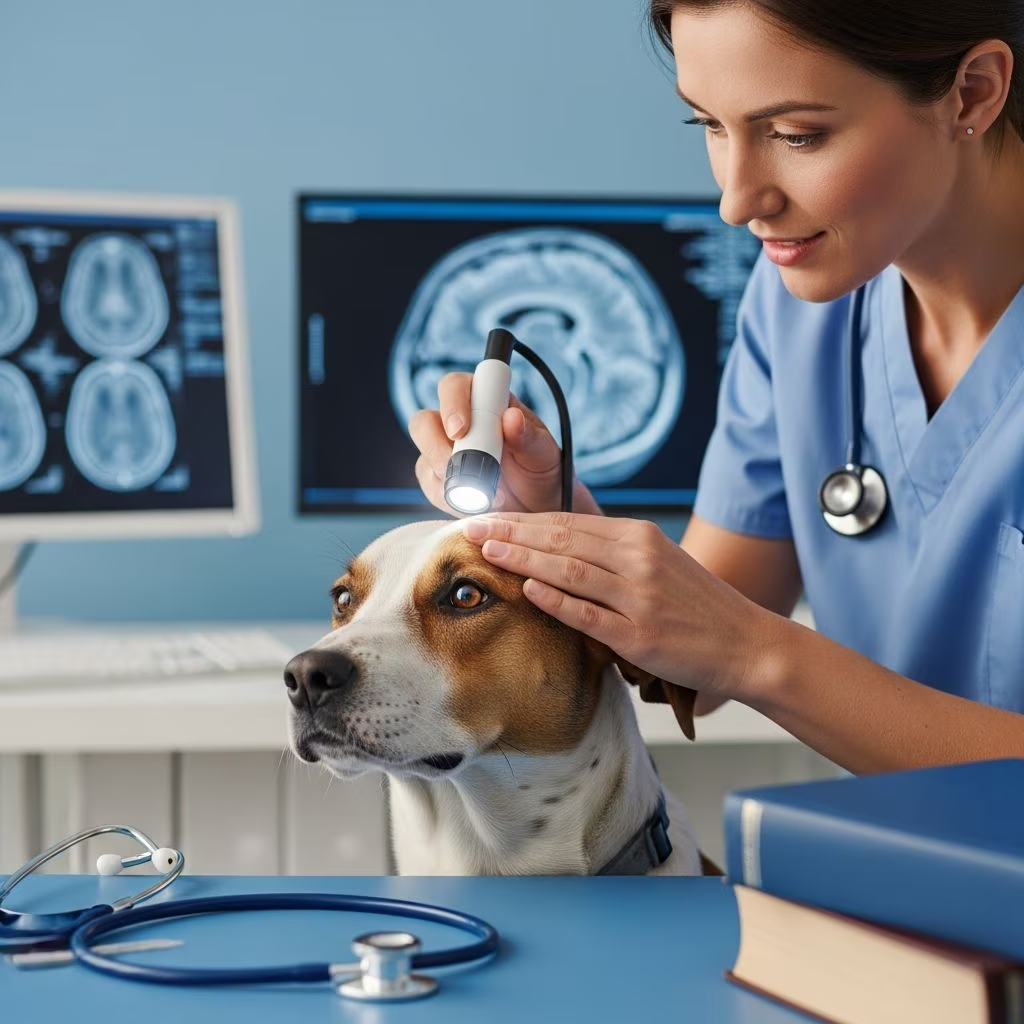
Understanding Veterinary Neurology
Veterinary neurology is the specialized branch of medicine that focuses on diagnosing and treating diseases of the nervous system in pets. This encompasses the brain, spinal cord, nerves, and muscles in dogs and cats. Neurological disorders can be complex and challenging to diagnose, often presenting with subtle symptoms that require advanced diagnostic techniques and imaging for accurate identification. Board-certified veterinary neurologists possess years of intensive training and education beyond their veterinary degree, enabling them to provide comprehensive care for pets with nervous system conditions.
A board-certified veterinary neurologist is a licensed veterinarian who has completed additional intensive training in veterinary neurology and obtained certification from either the American College of Veterinary Internal Medicine (ACVIM) in the United States or the European College of Veterinary Neurology (ECVN) in Europe. Many veterinary neurologists are also trained in neurosurgery, while others focus exclusively on the medical aspects of the discipline and collaborate with surgeons on cases requiring surgical intervention.
Common Neurological Conditions Treated
Board-certified veterinary neurologists at specialty animal hospitals diagnose and treat a wide range of neurological conditions affecting dogs and cats. Understanding these conditions and their symptoms is crucial for pet owners seeking appropriate care.
Infectious and Systemic Disorders
Neurological problems can originate from various infectious sources. Viral infections including canine distemper, feline infectious peritonitis, feline leukemia, and rabies can all lead to neurological manifestations. Fungal infections such as Cryptococcus and Coccidioides may also affect the nervous system. Additionally, tick-borne infections like Rocky Mountain Spotted Fever and Ehrlichia can cause significant neurological complications. Granulomatous Meningoencephalitis (GME) is another condition that veterinary neurologists frequently encounter and treat.
Structural and Degenerative Conditions
Many pets suffer from structural problems affecting the nervous system. Herniated discs, while common, require expert diagnosis and treatment planning. Traumatic brain and spinal cord injuries necessitate immediate specialized care. Degenerative myelopathy progressively affects spinal cord function in some breeds. Congenital deafness affects certain puppies and kittens from birth. Cancer affecting nervous system structures requires specialized oncological neurological expertise.
Epilepsy and Seizure Disorders
Epilepsy represents one of the most common neurological conditions treated by veterinary neurologists. Seizures can be alarming for pet owners, but while epilepsy is frequently the cause, advanced diagnostics such as cerebrospinal fluid analysis and imaging may be necessary to rule out other potential causes. The specialist collaborates with your primary veterinarian to determine the best treatment approach, whether that involves medication, other therapies, or a combination of approaches.
Recognizing Neurological Symptoms
Pet owners should be aware of symptoms that may indicate a neurological problem requiring specialist evaluation. Early recognition and prompt veterinary attention can significantly impact treatment outcomes.
Key Warning Signs
Several symptoms warrant immediate veterinary attention. These include complete or partial paralysis, which can develop suddenly or gradually; seizures or convulsive episodes; unusual behavior changes from your pet’s normal personality; altered consciousness such as depression, disorientation, or coma; neck or back pain; generalized weakness or weakness localized to one area of the body; and incoordination or imbalance that affects your pet’s ability to walk normally.
Advanced Diagnostic Procedures
Accurate diagnosis is fundamental to effective treatment. Board-certified veterinary neurologists employ sophisticated diagnostic tools and techniques to identify the precise location and nature of nervous system disorders.
Imaging Technologies
State-of-the-art imaging represents a cornerstone of modern veterinary neurology. Magnetic Resonance Imaging (MRI) and Computed Tomography (CT) scans provide detailed visualization of brain and spinal cord structures. These advanced imaging techniques allow neurologists to identify tumors, herniated discs, inflammation, and structural abnormalities that may not be visible through conventional radiography.
Specialized Diagnostic Tests
Beyond imaging, veterinary neurologists utilize specialized diagnostic procedures to evaluate nervous system function. Cerebrospinal fluid (CSF) taps involve removing fluid from around the spinal cord for laboratory analysis, providing crucial information about infectious diseases such as encephalitis and meningitis. Electromyography employs electrical impulses to diagnose the function of nerves and muscles, allowing neurologists to assess the peripheral nervous system. Myelograms use contrast dye radiographic studies to visualize the spine. Electrodiagnostic tests examine peripheral nervous system function, particularly evaluating nerve and muscle performance.
Physical and Neurological Examination
The comprehensive neurological examination forms the foundation of diagnosis. Gait and body posture assessment involves careful observation as the animal walks around the room, in hallways, or up and down stairs. Neurologists make detailed observations regarding body posture and movement patterns. Cranial nerve examination checks the pet’s senses of sight, smell, and hearing, as well as ability to chew, swallow, and move the tongue, eyes, and facial structures normally. Response to pain is also carefully evaluated.
Physical examination includes palpation of the pet’s body to detect signs of pain or muscle atrophy. The veterinary neurologist performs specific tests with the pet’s limbs to check reflexes and reactions, such as turning a pet’s paw over to assess repositioning to normal stance, and lifting the pet to evaluate leg positioning upon contact with the ground.
Treatment Options and Neurosurgical Procedures
Once diagnosis is established, veterinary neurologists develop comprehensive treatment plans tailored to each pet’s specific condition and needs.
Medical Management
Many neurological conditions respond well to medical management through medication and specialized therapies. Seizure management often involves anticonvulsant medications carefully selected and monitored. Other medications may address pain, inflammation, or underlying infections.
Surgical Interventions
For conditions requiring surgical intervention, experienced veterinary surgeons and neurologists collaborate to provide complex neurosurgeries. These procedures include repairing herniated discs, which can restore mobility and eliminate pain. Paralysis in dogs and cats that results from certain spinal conditions may be corrected through surgical intervention, allowing many pets to regain the ability to walk. Brain tumor removal and addressing congenital issues represent additional surgical specialties.
Rehabilitation and Recovery
Comprehensive care extends beyond initial treatment. Veterinary neurologists make appropriate recommendations for rehabilitation periods, especially after major procedures such as back surgery. Lengthy recuperation times are often necessary, and pets may be referred to rehabilitation facilities offering services such as water therapy or physical therapy. Pain management remains a priority throughout the recovery process, with neurologists developing specific pain control protocols for each patient.
Consultation and Referral Process
When your pet develops neurological symptoms, understanding the consultation process helps ensure prompt access to specialist care. In some cases, your primary veterinarian may be able to simply consult with a veterinary neurologist about your pet’s care. In other situations, a direct referral to the specialist is necessary for comprehensive evaluation and treatment.
To refer a patient to a neurology specialist, pet owners or veterinarians can complete a referral form and submit it along with relevant medical records. For urgent cases requiring immediate attention, direct contact with the specialty hospital is recommended. All pets five months and older seen by the neurology service must be current on their rabies vaccination prior to evaluation.
The Expertise of Board-Certified Neurologists
Board-certified veterinary neurologists undergo rigorous training to earn their credentials. After completing and passing all necessary requirements, veterinarians are recognized by their peers as board-certified specialists in veterinary neurology. This extensive education ensures that when your pet needs care from a veterinary neurologist, years of intensive training and additional education will be focused on helping your pet recover from their condition or enjoy the highest possible quality of life.
Specialized Training and Certification
The path to board certification in veterinary neurology requires completion of a rigorous residency program, passing comprehensive examinations, and continuing education throughout the specialist’s career. This demanding training regimen ensures that board-certified neurologists possess the latest knowledge and skills in nervous system diagnosis and treatment.
Understanding Systemic vs. Neurological Disease
Veterinary neurology presents a unique challenge in that some diseases are solely neurologic in origin, while in other cases, the neurologic problem may be related to an underlying systemic disease. When a disease is purely neurological, the veterinary neurologist may treat the problem directly. However, when neurological symptoms result from a systemic disease, resolution of the neurologic problem may hinge on correct diagnosis and treatment of the underlying condition. For example, certain viral infections may result in neurologic signs that resolve only when the systemic infection is adequately treated.
Frequently Asked Questions
Q: What is the difference between a veterinary neurologist and a general veterinarian?
A: Board-certified veterinary neurologists have completed additional intensive training beyond their veterinary degree and obtained specialized certification. They possess advanced expertise in diagnosing and treating nervous system disorders, utilizing specialized diagnostic equipment and techniques that general veterinarians may not have access to.
Q: How long does a neurological examination take?
A: A comprehensive neurological examination typically takes 30 to 60 minutes, depending on the complexity of the case and the number of diagnostic procedures required. The veterinary neurologist must carefully evaluate multiple aspects of nervous system function.
Q: Are seizures always caused by epilepsy?
A: No. While epilepsy is a common cause of seizures, other conditions such as brain tumors, infections, metabolic disorders, or toxins can also cause seizures. Advanced diagnostics are necessary to determine the underlying cause.
Q: Can paralysis in pets be treated?
A: Many cases of paralysis can be successfully treated, particularly when caused by herniated discs or other surgically correctable conditions. The success of treatment depends on the underlying cause, severity, and duration of the condition.
Q: What should I expect during my pet’s first neurology visit?
A: During the initial consultation, the veterinary neurologist will collect your pet’s complete medical history, perform a thorough neurological examination, and may recommend advanced imaging or diagnostic tests. They will then discuss findings and develop a personalized treatment plan.
Q: How is spinal fluid collected from my pet?
A: A cerebrospinal fluid tap is a minimally invasive procedure where a small needle is carefully inserted to collect fluid around the spinal cord. This procedure is typically performed under sedation or anesthesia to ensure your pet’s comfort and safety.
Q: What is involved in post-surgical neurological rehabilitation?
A: Post-surgical rehabilitation may include physical therapy, water therapy, pain management, activity restriction, and gradual return to normal function. Your neurologist will provide specific recommendations based on the surgical procedure performed.
References
- Veterinary Neurology Specialty Services — VCA Animal Specialty Group. 2024. https://vcahospitals.com/animal-specialty-group/departments/neurology
- Neurology and Neurosurgery Department — VCA West Los Angeles Animal Hospital. 2024. https://vcahospitals.com/west-los-angeles/specialty/departments/neurology
- Veterinary Neurology: Specialty Care for Dogs and Cats — VCA Animal Specialty Group Los Angeles. 2024. https://vcahospitals.com/animal-specialty-group-los-angeles/departments/neurology



