
Veterinary Immunosuppressants for Eye Conditions
Explore systemic immunosuppressive therapies essential for managing ocular immune disorders in pets, from mechanisms to dosing strategies.
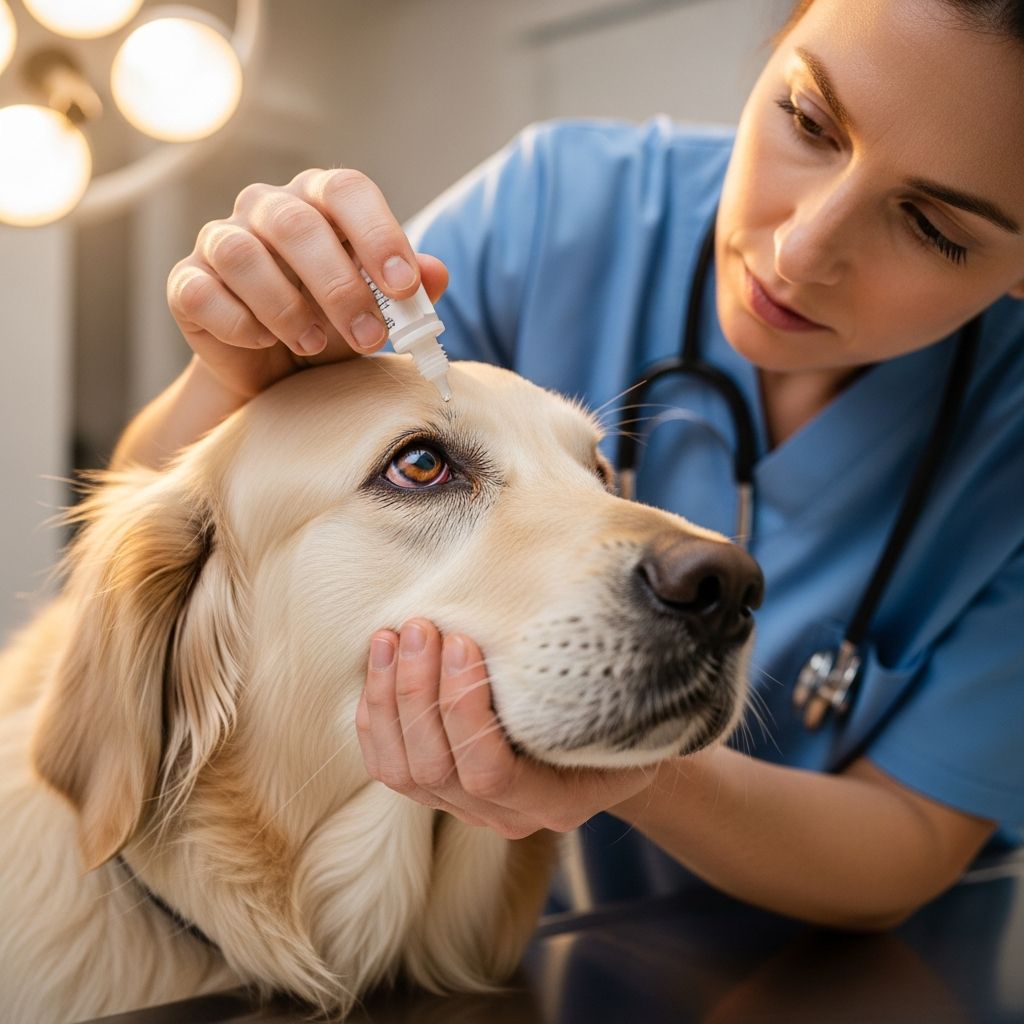
Systemic immunosuppressive agents play a critical role in managing immune-mediated ocular disorders in animals, helping to control inflammation and prevent vision loss when topical treatments fall short. These medications target overactive immune responses affecting the eyes, such as uveitis, scleritis, and keratoconjunctivitis sicca (KCS), providing veterinarians with powerful tools for long-term disease control.
Understanding Immune-Mediated Eye Diseases in Animals
Immune-mediated conditions in the eye arise when the body’s defense system mistakenly attacks ocular tissues, leading to chronic inflammation, tissue damage, and potential blindness. Common examples include anterior uveitis, where the iris and ciliary body become inflamed, and immune-mediated keratoconjunctivitis, characterized by corneal ulcers and dry eye. These disorders often require systemic therapy because local application cannot sufficiently suppress widespread immune activity.
In dogs, breeds like Akitas and Samoyeds are predisposed to uveodermatologic syndrome, a systemic condition with severe ocular involvement. Cats may develop eosinophilic keratitis, while horses face recurrent uveitis linked to Leptospira infections. Early diagnosis via clinical signs, intraocular pressure measurements, and aqueous humor analysis is essential before initiating immunosuppression.
Primary Classes of Immunosuppressive Agents
Veterinary ophthalmologists rely on several drug classes for systemic immunosuppression, each with unique mechanisms, onset times, and risk profiles. Selection depends on disease severity, species, and patient comorbidities.
Glucocorticoids: The Cornerstone of Ocular Therapy
Glucocorticoids like prednisone and dexamethasone remain first-line due to their potent anti-inflammatory effects and rapid action. They inhibit cytokine production, reduce vascular permeability, and stabilize lysosomal membranes, quickly alleviating ocular inflammation.
- Prednisone/Prednisolone: Administered at 1-2 mg/kg/day orally until remission, then tapered. Preferred in dogs for cost-effectiveness.
- Dexamethasone: 0.1-0.25 mg/kg/day IV or orally; ideal for acute crises or patients needing minimal fluid retention.
These steroids suppress both innate and adaptive immunity but require gradual tapering to avoid rebound inflammation.
Calcineurin Inhibitors: Targeted T-Cell Suppression
Cyclosporine and tacrolimus block T-cell activation by inhibiting calcineurin, preventing IL-2 production. They are steroid-sparing agents useful for chronic uveitis or KCS unresponsive to topicals.
| Drug | Dosage (Dogs) | Onset | Key Benefits |
|---|---|---|---|
| Cyclosporine | 5 mg/kg PO q12h x 2 weeks, then q24h | 2-4 weeks | FDA-approved ophthalmic form; systemic for uveitis |
| Tacrolimus | 0.1-0.3 mg/kg PO q12h | 1-3 weeks | Potent alternative; less GI upset |
Monitor blood levels for cyclosporine to ensure therapeutic concentrations, as bioavailability varies.
Antiproliferative Drugs: Inhibiting Immune Cell Growth
Agents like azathioprine, mycophenolate, and leflunomide halt DNA synthesis in lymphocytes, reducing autoantibody production and T-cell proliferation. They serve as adjuncts for refractory cases.
- Azathioprine: 1.5-2 mg/kg/day PO in dogs (not cats due to thiopurine methyltransferase deficiency); taper after 3-5 days.
- Mycophenolate mofetil: 7-20 mg/kg PO q12h x 3-4 weeks, then 10 mg/kg/day.
- Leflunomide: 2-4 mg/kg/day PO; metabolite teriflunomide active.
These drugs take weeks to peak but allow steroid dose reduction, minimizing iatrogenic Cushing’s.
Dosage Protocols and Administration Guidelines
Effective immunosuppression balances efficacy with safety. Start with high immunosuppressive doses, achieve clinical remission (e.g., normalized intraocular pressure, clear cornea), then taper over 4-12 weeks.
Species-Specific Considerations
- Dogs: Glucocorticoids + azathioprine common for IMHA-related uveitis.
- Cats: Avoid azathioprine; prefer cyclosporine or mycophenolate for eosinophilic conditions.
- Horses: Systemic flunixin + cyclosporine for ERU.
Combine therapies judiciously: e.g., prednisone + cyclosporine for severe uveitis.
Adverse Effects and Monitoring Strategies
Immunosuppressants compromise immunity, risking infections, GI upset, hepatotoxicity, and neoplasia. Regular monitoring is vital.
| Drug Class | Common Side Effects | Monitoring |
|---|---|---|
| Glucocorticoids | PU/PD, panting, iatrogenic Cushing’s, GI ulcers | Urinalysis q2-4wks, CBC/chem q4wks |
| Cyclosporine | Gingivitis, vomiting, hirsutism | Trough levels, renal function |
| Azathioprine | Myelosuppression, pancreatitis | CBC q2wks initially |
Prophylactic antibiotics and antifungals may be needed in high-risk patients.
Clinical Applications in Ocular Immunology
Chronic Uveitis: Glucocorticoids induce remission; transition to cyclosporine for maintenance.
KCS and Corneal Ulcers: Systemic cyclosporine boosts tear production alongside topicals.
Equine Recurrent Uveitis (ERU): Mycophenolate shows promise in reducing flare-ups.
Adjuncts like vincristine (for secondary thrombocytopenia) or IVIG enhance outcomes in complex cases.
Emerging Therapies and Future Directions
Novel agents like oclacitinib (JAK inhibitor) and BTK inhibitors target specific pathways with fewer systemic effects. Ongoing trials explore mTOR inhibitors for refractory uveitis. Personalized medicine, including genetic testing for drug metabolism, promises optimized protocols.
Frequently Asked Questions (FAQs)
What is the first-line treatment for immune-mediated uveitis in dogs?
High-dose prednisone (2 mg/kg/day) until clinical improvement, followed by tapering and adjuncts like azathioprine.
Can cats safely receive azathioprine for ocular diseases?
No, due to risk of severe myelosuppression; opt for cyclosporine or mycophenolate instead.
How long does cyclosporine take to work systemically?
Clinical effects may appear in 2-4 weeks, with steady-state levels requiring consistent dosing.
What monitoring is essential during long-term immunosuppression?
Monthly CBC, chemistry panels, urinalysis, and drug level checks to detect toxicity early.
Are there breed-specific risks with these drugs?
Yes, Collies and related breeds risk ivermectin toxicity with cyclosporine due to MDR1 mutation.
Conclusion
Systemic immunosuppressants transform outcomes in veterinary ocular immunology, but success hinges on precise dosing, vigilant monitoring, and multimodal approaches. Collaborate with specialists for challenging cases to safeguard vision and quality of life.
References
- Immunosuppressant Therapy in Small Animal Medicine — Today’s Veterinary Practice. 2023. https://todaysveterinarypractice.com/internal-medicine/immunosuppressant-therapy-in-small-animal-medicine/
- Immunosuppressive drugs: Beyond glucocorticoids — dvm360. 2022-10-01. https://www.dvm360.com/view/immunosuppressive-drugs-beyond-glucocorticoids
- Immunosuppressive Drugs in Animals — Merck Veterinary Manual. 2023. https://www.merckvetmanual.com/pharmacology/systemic-pharmacotherapeutics-of-the-eye/immunosuppressive-drugs-in-animals
- Immunosuppressive Drugs — Veterian Key. 2022. https://veteriankey.com/immunosuppressive-drugs-2/
- Pharmacology of drugs used in autoimmune dermatoses — PubMed (NIH). 2024-05-01. https://pubmed.ncbi.nlm.nih.gov/38708551/
Similar Articles








Read full bio of Sneha Tete


