
Veterinary Health Management in Zoological Settings
Essential strategies for delivering comprehensive medical care to captive wildlife populations
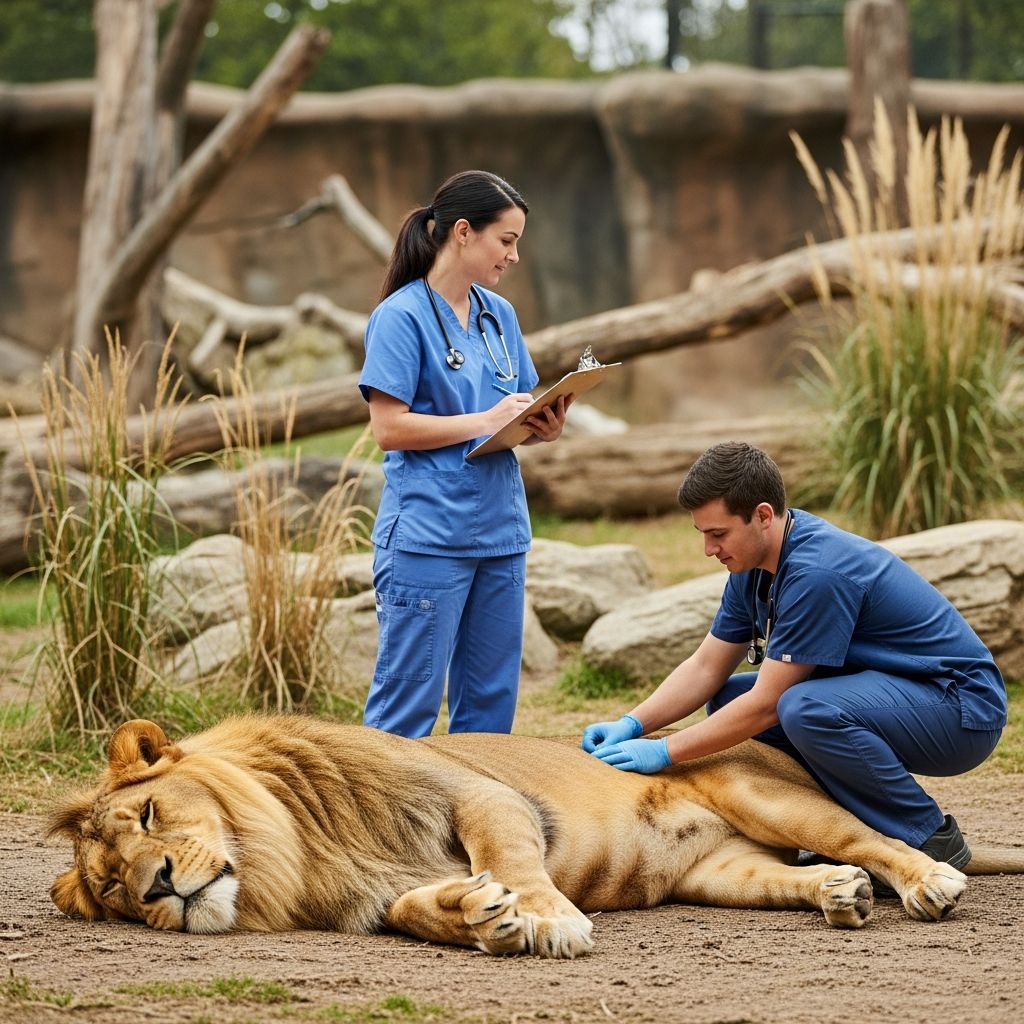
Caring for animals in zoological institutions requires a specialized approach that differs significantly from traditional domestic animal medicine. Zoo veterinarians must combine knowledge from multiple disciplines—comparative anatomy, physiology, behavioral science, nutrition, and pathology—to deliver effective health care while respecting the complex social and environmental needs of captive wildlife. This comprehensive approach ensures that individual animals receive appropriate medical attention while maintaining population health and psychological well-being within the facility.
Foundation of Modern Zoo Veterinary Practice
The cornerstone of contemporary zoo veterinary medicine rests on applying medical and surgical principles developed through the study of wild animals, domestic species counterparts, and human medical advances. When veterinarians encounter complex medical cases, they frequently consult specialists from various disciplines, including other veterinary experts and human medical professionals such as surgeons, dentists, and other specialists. This collaborative approach allows for innovative problem-solving when treating novel conditions or rare species presentations.
Zoo veterinarians must balance multiple competing priorities: treating individual animals while monitoring population-level health trends, maintaining social structures within animal groups, and preventing disruptions to normal behavioral patterns when animals require separation for medical care or hospitalization. Understanding species-specific anatomy and physiology is essential, as treatment protocols that work for one species may be ineffective or even harmful for another.
Behavioral Conditioning: Gateway to Effective Healthcare
One of the most transformative developments in zoo medicine has been the systematic application of behavioral training programs. These programs fundamentally change how veterinarians can deliver care by teaching animals to cooperate voluntarily with medical procedures. Rather than relying solely on chemical restraint or physical force, trained animals can be guided through necessary procedures with minimal stress to themselves and reduced risk to personnel.
Positive reinforcement techniques form the foundation of these training programs. Animals learn to associate specific behaviors with rewards, creating predictable patterns that can be incorporated into daily routines. This integration into normal husbandry activities ensures that trained behaviors remain fresh and reliable.
Practical Applications of Behavioral Training
Behavioral conditioning facilitates numerous management tasks and medical procedures:
- Movement and positioning: Training animals to shift between exhibit areas, onto scales for weight monitoring, into restraint devices, and into transportation containers
- Diagnostic collection: Enabling voluntary urine collection, blood draws via venipuncture, tissue sampling, and physical examination cooperation
- Medical interventions: Allowing intramuscular injections to be administered and facilitating specialized procedures such as ultrasound examinations
- Specialized procedures: Enabling activities like radiographic positioning in elephants or trunk washing in large animals
Beyond direct medical benefits, behavioral training programs serve dual purposes by functioning simultaneously as enrichment activities. These programs encourage animals to display broader behavioral repertoires by increasing foraging opportunities, facilitating social interactions, and promoting activities more closely aligned with their natural behaviors in wild settings.
Infrastructure and Facility Design for Medical Management
Effective zoo veterinary practice depends on thoughtfully designed facilities integrated into the animal’s regular living space. Well-designed medical facilities should be accessible as part of the animal’s normal daily movement patterns, reducing the stress associated with moving to unfamiliar areas during medical procedures.
Essential facility components include:
- Nest boxes and restraint pens equipped with remotely operated doors for safe animal confinement
- Transfer mechanisms linking regular exhibit areas to restraint devices, anesthetic induction chambers, or shipping containers
- Precision weighing facilities for monitoring body condition and detecting early signs of illness
- Spaces designed to allow personnel to deliver care from behind protective barriers, enhancing safety for staff while providing animals with some degree of autonomy
Diagnostic Approaches in Zoo Medicine
Accurate diagnosis in zoo animals begins with fundamental clinical skills that remain constant across all veterinary medicine: comprehensive history-taking and thorough visual and physical examination. However, in zoo species, detailed physical examination often requires anesthesia due to the stress and danger associated with restraint of large or potentially aggressive animals.
Laboratory and Sampling Procedures
Zoo veterinarians employ a full array of laboratory diagnostic techniques, though the ease of sample collection varies considerably by species due to anatomical differences:
- Hematological analysis: Complete blood counts and biochemical profiles providing insights into systemic health
- Serological testing: Identifying infectious disease exposure and immune status
- Cytological examination: Analyzing cell samples for inflammatory or neoplastic conditions
- Parasitological assessment: Fecal examination revealing gastrointestinal parasite burdens
- Urinalysis: Evaluating kidney function and detecting urinary tract conditions
- Microbial culture: Aerobic, anaerobic, fungal, and viral cultures identifying infectious agents
Advanced Imaging Technologies
Radiography and ultrasonography represent standard diagnostic tools in modern zoo medicine. Increasingly, computed tomography scans are becoming available for more detailed anatomical assessment. Minimally invasive techniques such as endoscopy and laparoscopy allow veterinarians to visualize internal structures and perform diagnostic procedures or surgical interventions with reduced trauma. While these techniques require specialized equipment and technical expertise, virtually any diagnostic approach used in other veterinary disciplines can be adapted for zoo species with appropriate modifications.
Pharmaceutical Administration in Zoo Animals
Delivering medications to zoo animals requires consideration of multiple factors, including the animal’s behavioral response, the specific drug formulation available, and the urgency of treatment. Different routes of administration offer distinct advantages and limitations.
Parenteral and Oral Medication Routes
Intramuscular injections represent a common parenteral route, particularly when behavioral training has conditioned animals to accept injections voluntarily. Long-acting or depot formulations of medications can be administered parenterally, providing therapeutic benefits over extended periods while minimizing the frequency of handling or restraint required.
Oral medication administration presents challenges in many zoo species but remains valuable when feasible, particularly for antimicrobials or medications requiring prolonged administration. The practicality of oral dosing depends heavily on species-specific characteristics and individual animal temperament.
Intravenous Treatment Considerations
Intravenous therapy can be provided to zoo species when appropriate safeguards are implemented. Adequate tranquilization or sedation, or confinement in restraint devices or small enclosures during treatment, allows for safe IV catheterization and drug administration. Maintaining intravenous access in zoo species typically requires intensive labor and is therefore reserved for animals requiring the most critical care. In-dwelling IV catheters facilitate total intravenous anesthetic administration in selected species and provide vascular access for emergency medications or intensive fluid therapy.
Anesthetic Management of Zoo Animals
Anesthesia in zoo species demands meticulous planning and execution due to substantial variation in drug responses among different species, even those that are closely related evolutionarily. Consultation with experienced zoo veterinarians or specialists familiar with specific species is strongly recommended before implementing anesthetic protocols.
Developing Comprehensive Anesthetic Plans
Each anesthetic episode requires development of a detailed protocol addressing:
- Primary anesthetic agents and dosages specifically selected for the species
- Ancillary pharmaceuticals including emergency medications, analgesics, anthelmintics, and vaccines to be administered during anesthesia
- Monitoring equipment appropriate for the species’ physiology
- Specialized equipment necessary for the specific procedure planned
- Recovery environment and post-operative care protocols
Anesthetic Monitoring Standards
Continuous monitoring during anesthesia remains critical for zoo animal safety. Minimum monitoring should include heart rate, respiratory rate, and body temperature. More comprehensive monitoring incorporates:
- Oxygenation assessment via blood gas analysis or pulse oximetry
- Ventilation evaluation through blood gas determination or end-tidal carbon dioxide measurement
- Blood pressure measurement using direct arterial monitoring or oscillometric techniques
- Electrocardiographic monitoring detecting arrhythmias or conduction abnormalities
Proper positioning and padding of anesthetized animals prevents pressure-related injuries, while attention to environmental temperature extremes prevents complications from hypothermia or hyperthermia during recovery.
Regulatory Compliance and Professional Standards
Zoo veterinarians must maintain current knowledge of regulations established by the US Animal Health Association and implemented through federal and state agencies. These regulations address disease reporting, animal welfare, transportation requirements, and other aspects of zoo operations. Developing strong relationships with regulatory veterinarians ensures facilities maintain compliance with evolving standards and can obtain guidance on complex regulatory questions.
Population Health and Social Considerations
Zoo veterinary medicine extends beyond treating individual animals to encompassing population-level health management. Veterinarians must consider how removing an animal from the exhibit for treatment or hospitalization might disrupt established social hierarchies or behavioral patterns within the group. Understanding social structures and dominance relationships helps minimize stress and conflict when animals are reintroduced to their groups following medical procedures.
Population health initiatives focus on preventing disease transmission within and between facilities, monitoring genetic diversity in breeding populations, and maintaining optimal nutritional status across the entire collection. Comparative medical approaches that consider disease patterns in wild populations inform prevention and treatment strategies in captive settings.
The Integration of Enrichment and Medical Care
Modern zoo medicine recognizes that animal welfare encompasses both physical health and psychological well-being. Behavioral training programs and enrichment activities serve dual purposes, improving animals’ quality of life while simultaneously facilitating medical care delivery. This integration creates a positive feedback loop where animals remain calmer during medical procedures because they have developed trust through positive interactions with trained personnel.
Environmental enrichment that encourages natural foraging behaviors, social interactions, and cognitive stimulation contributes to overall health and disease prevention. Animals that experience appropriate enrichment demonstrate reduced stress-related conditions and better immune function, potentially decreasing disease incidence and improving treatment outcomes when medical intervention becomes necessary.
Future Directions in Zoo Veterinary Medicine
Zoo veterinary medicine continues evolving as institutions invest in advanced diagnostic equipment, research programs, and specialized training. Educational programs preparing the next generation of zoo veterinarians emphasize clinical skills, comparative medicine knowledge, and conservation-focused thinking. Partnerships between veterinary schools and major zoological institutions create training opportunities that combine classroom learning with hands-on experience treating diverse species.
The field increasingly recognizes the interconnection between zoo animal health, wildlife conservation, and broader ecosystem health. Zoo veterinarians contribute to conservation efforts by participating in breeding programs for endangered species, conducting research that informs wild population management, and serving as resources for wildlife rehabilitation and repatriation initiatives.
References
- Clinical Care Programs for Zoo Animals — Merck Veterinary Manual. 2024. https://www.merckvetmanual.com/exotic-and-laboratory-animals/zoo-animals/clinical-care-programs-for-zoo-animals
- Residency Program in Zoological Medicine — UC Davis School of Veterinary Medicine. 2026. https://www.vetmed.ucdavis.edu/education/internships-residencies/zoological-medicine
- Animal Care — Smithsonian’s National Zoo and Conservation Biology Institute. 2025. https://nationalzoo.si.edu/animals/animal-care
- American College of Zoological Medicine — ACZM. 2024. https://www.aczm.org
- Wildlife Medicine Program — Tufts Cummings School of Veterinary Medicine. 2025. https://vet.tufts.edu/special-programs/wildlife-and-conservation-medicine-signature-opportunity/wildlife-medicine-program
Similar Articles








Read full bio of Sneha Tete


