

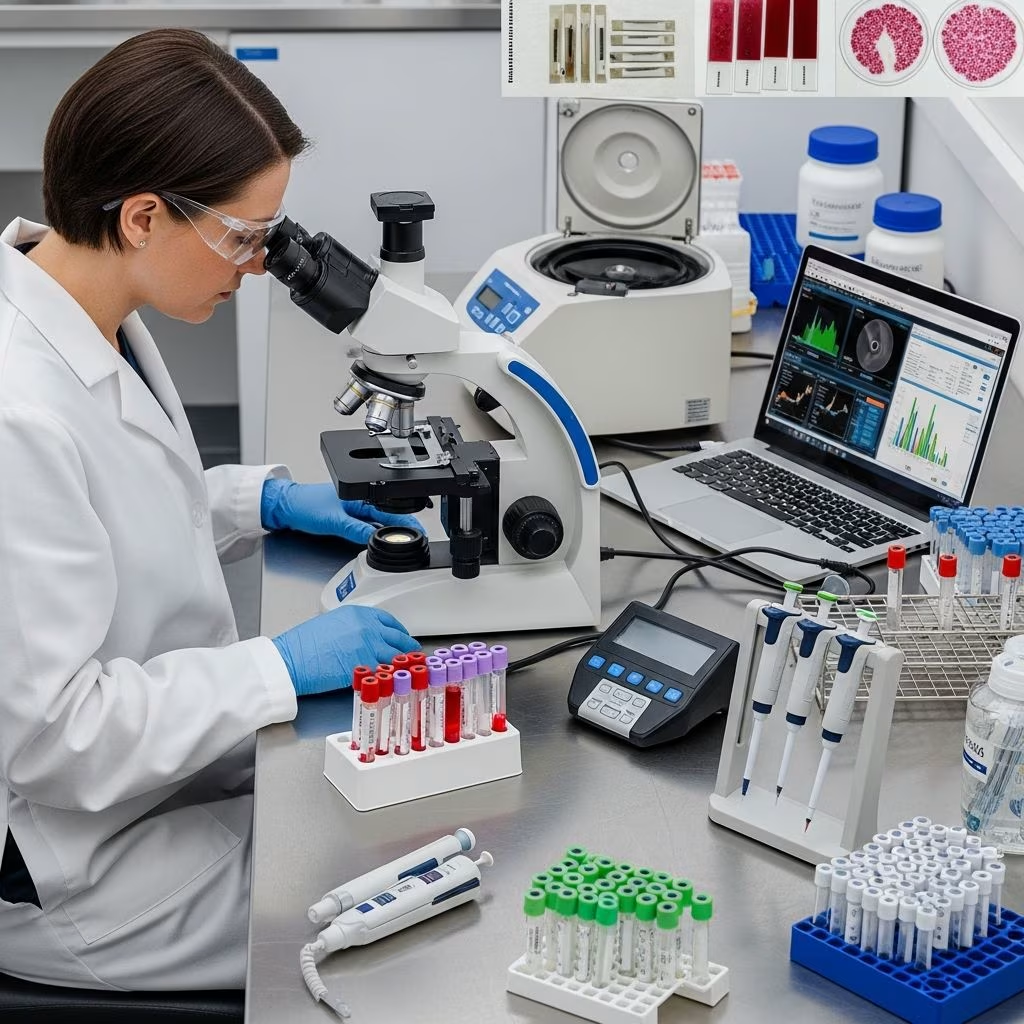
Veterinary clinical pathologists play a crucial role in animal healthcare by examining bodily fluids and tissues to diagnose diseases in animals ranging from pets to livestock. These specialists interpret lab results to guide veterinarians in treatment decisions, ensuring accurate and timely care.
Core Functions in Daily Practice
In their laboratory environments, veterinary clinical pathologists focus on analyzing samples like blood, urine, and other fluids. They use microscopes and advanced tools to detect abnormalities that signal infections, cancers, or organ failures. This process involves preparing slides, running tests, and reviewing data for patterns that reveal health issues.
Key responsibilities include:
- Performing detailed exams on fluid samples to identify cellular changes.
- Interpreting hematology and biochemistry results for disease diagnosis.
- Collaborating with field veterinarians to provide actionable insights.
- Maintaining lab standards to ensure result reliability.
- Contributing to research on emerging animal health threats.
These tasks demand precision, as even minor variations in results can affect patient outcomes.
Differences from Anatomical Pathology
While anatomical pathologists examine tissues and organs post-mortem, clinical pathologists specialize in live-animal diagnostics through non-invasive fluid analysis. This distinction allows clinical experts to support ongoing treatments rather than retrospective reviews.
| Aspect | Clinical Pathology | Anatomical Pathology |
|---|---|---|
| Focus | Blood, urine, fluids | Tissues, organs |
| Timing | Live diagnostics | Post-mortem |
| Tools | Microscopes, analyzers | Histology, necropsies |
Educational Pathway and Certification
Aspiring clinical pathologists begin with a Doctor of Veterinary Medicine (DVM) degree, followed by a 3-year residency in clinical pathology at an accredited veterinary hospital. Board certification through exams from bodies like the American College of Veterinary Pathologists is essential for advanced roles.
High school preparation should emphasize sciences:
- Biology and chemistry for foundational knowledge.
- Mathematics like statistics for data analysis.
- Agricultural or animal science courses.
Post-DVM training hones skills in lab techniques and case interpretation, preparing graduates for high-stakes diagnostic work.
Indispensable Skills for Success
Success requires a blend of technical and soft skills. Medical knowledge of animal physiology is paramount, alongside proficiency in lab instruments and molecular methods.
Critical attributes include:
- Analytical mindset: Synthesizing complex data into clear diagnoses.
- Attention to detail: Spotting subtle anomalies in samples.
- Communication: Explaining findings to non-experts effectively.
- Adaptability: Keeping pace with diagnostic technologies.
These skills enable pathologists to handle diverse cases, from companion animals to research subjects.
Work Environments and Daily Realities
Most work in diagnostic labs, universities, or government agencies, often remotely reviewing digital slides. Days involve sample review, report writing, and consultations, with occasional on-site supervision.
Challenges encompass high workloads and tight deadlines, balancing speed with accuracy. Despite this, the role offers intellectual stimulation and direct health impacts.
Career Opportunities and Growth
Demand for clinical pathologists remains strong due to expanding veterinary services and research needs. Opportunities exist in private labs, academia, and pharma for drug development.
Salary prospects are competitive, with board-certified specialists earning premiums. Advancement includes leadership in labs or research publication.
Impact on Animal and Public Health
Beyond individual cases, these professionals monitor disease trends, advising on outbreaks that affect food safety and zoonoses. Their work supports regulatory compliance and product safety testing.
Future Trends in the Field
Advancements like AI-assisted imaging and genomics are transforming diagnostics, requiring ongoing training. Pathologists will increasingly integrate these tools for faster, precise results.
Frequently Asked Questions (FAQs)
What does a veterinary clinical pathologist do daily?
They analyze fluids like blood and urine, interpret results, and consult with vets on diagnoses.
How long does it take to become one?
Typically 8+ years: 4 for DVM, 3+ for residency, plus certification.
Can they work with pets or only livestock?
They handle all animals, including pets, zoo species, and lab animals.
Is board certification required?
Not always for entry-level, but essential for specialist roles and credibility.
What are common challenges?
Managing high caseloads while ensuring accuracy under time pressure.
This role combines science, detective work, and collaboration, making it rewarding for those passionate about animal health.
References
- Veterinary Pathologist – AgExplorer | National FFA Organization — National FFA Organization. Accessed 2026. https://agexplorer.ffa.org/career/veterinary-pathologist/
- Veterinary Clinical Pathologist Jobs | The VET Recruiter — The VET Recruiter. Accessed 2026. https://thevetrecruiter.com/veterinary-jobs/veterinarian-jobs/specialist-veterinarian-jobs/veterinary-clinical-pathologist-jobs/
- Clinical Pathologist in Remote – Careers at Antech Diagnostics — Antech Diagnostics. Accessed 2026. https://careers.antechdiagnostics.com/us/en/job/R-228617/Clinical-Pathologist
- Clinical Pathologist – Veterinary Professionals at IDEXX — IDEXX. Accessed 2026. https://careers.idexx.com/us/en/job/J-048949/Clinical-Pathologist
- Veterinary Clinical Pathologist – Myworkdayjobs.com — Enovis. Accessed 2026. https://enovis.wd5.myworkdayjobs.com/en-US/enovis/job/Veterinary-Clinical-Pathologist_R0026467



