
Veterinary Clinical Biochemistry: Key Tests Explained
Essential guide to biochemical testing in private veterinary labs for accurate animal health diagnosis and management.
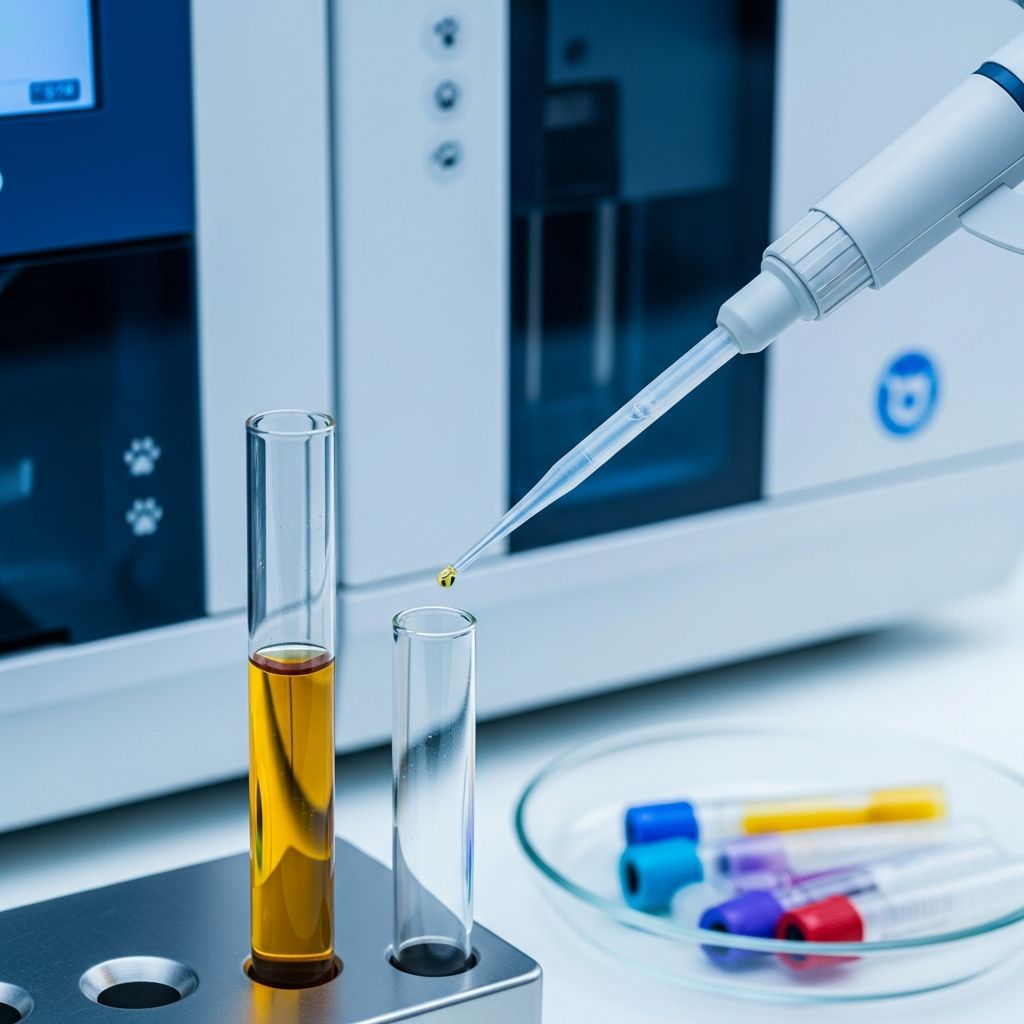
Clinical biochemistry forms the cornerstone of diagnostic veterinary medicine, enabling practitioners to evaluate organ function, detect metabolic disorders, and guide treatment through blood and fluid analysis. In private practice laboratories, these tests provide rapid insights into an animal’s health status, helping differentiate between a wide array of conditions efficiently.
Foundations of Biochemical Testing in Veterinary Care
Diagnosing illnesses in animals begins with a targeted approach, where history and physical exams inform test selection to narrow down potential causes. Biochemical profiles analyze serum components like enzymes, proteins, electrolytes, and metabolites, revealing patterns indicative of specific pathologies. Most labs offer standardized panels tailored to common presentations, ensuring cost-effective yet comprehensive evaluations.
These tests are particularly valuable in ambulatory settings, where quick turnaround times allow for immediate decision-making. Factors such as species differences—dogs versus cats, for instance—necessitate reference ranges adjusted for age, breed, and physiological state to avoid misinterpretation.
Core Biochemical Panels for Routine Screening
Standard panels serve as the starting point for most investigations, covering essential analytes applicable to general health checks or acute presentations. A typical small animal profile includes measurements of total protein, albumin, calculated globulin, urea nitrogen (often as BUN), creatinine, alanine aminotransferase (ALT), and alkaline phosphatase (ALP). These markers assess hydration, protein status, renal function, and hepatobiliary integrity.
- Total Protein and Albumin: Evaluate nutritional status, inflammation, or loss through kidneys/gut. Low levels may signal chronic disease or hemorrhage.
- Globeulin (Calculated): Rises in infections or immune-mediated conditions; polyclonal increases differ from monoclonal spikes seen in gammopathies.
- Urea and Creatinine: Primary indicators of glomerular filtration rate; azotemia patterns distinguish prerenal, renal, or postrenal causes.
- ALT and ALP: Hepatocellular damage (ALT) versus cholestasis or bone activity (ALP); species-specific isoenzymes affect interpretation.
Expanding panels based on symptoms enhances diagnostic yield. For polyuria/polydipsia, add glucose, calcium, phosphorus, and cholesterol to probe diabetes, hyperparathyroidism, or psychogenic origins. Collapse or weakness prompts creatine kinase (CK) and electrolytes for myopathy or ionic imbalances.
Advanced Assessments for Organ-Specific Disorders
Beyond basics, targeted tests refine differentials. Electrolytes (sodium, potassium, chloride, bicarbonate) detect imbalances from vomiting, diarrhea, or Addison’s disease. Phosphorus and calcium pairings uncover parathyroid or renal secondary hyperparathyroidism.
| Analyte | Primary Role | Common Abnormalities |
|---|---|---|
| Glucose | Metabolic control | Hyperglycemia: diabetes; Hypoglycemia: insulinoma, sepsis |
| Bilirubin | Hepatic conjugation | Jaundice: hemolysis, cholestasis |
| Cholesterol | Lipid metabolism | Hyperlipidemia: endocrine, nephrotic syndrome |
| CK | Muscle integrity | Elevation: trauma, myositis |
These additions create syndrome-specific profiles, streamlining workflows in busy clinics.
Diagnosing Pancreatic Conditions Precisely
Pancreatic disorders challenge diagnosticians due to nonspecific signs like vomiting or lethargy. Traditional markers—serum amylase and lipase—lack sensitivity and specificity in dogs, as extrapancreatic sources contribute post-pancreatectomy.
Specific Pancreatic Lipase Immunoreactivity (PLI): Revolutionizes pancreatitis detection. Canine (cPLI) and feline (fPLI) assays quantify pancreas-specific lipase, offering high specificity for exocrine inflammation. Unlike activity-based tests, immunoreactivity ignores non-pancreatic interference, detecting mild cases missed by older methods.
- Normal: <200 μg/L (dogs), <3.5 μg/L (cats)
- Equivocal: Borderline values warrant monitoring
- High: Confirms pancreatitis, guides therapy like fluids and analgesics
For exocrine pancreatic insufficiency (EPI), trypsin-like immunoreactivity (TLI) is gold standard. Measuring circulating trypsinogen, low TLI (<2.5 μg/L fasting dogs; <12 μg/L cats) reflects acinar cell loss, confirming maldigestion and prompting enzyme supplementation.[10]
Protein Analysis and Gammopathy Evaluation
Discerning protein fractions via electrophoresis surpasses total protein/globulin calculations, identifying monoclonal gammopathies from plasma cell tumors. Serum protein electrophoresis (SPE) separates albumin, alpha, beta, and gamma globulins; monoclonal spikes prompt immunofixation for immunoglobulin typing.
Urine protein electrophoresis (UPE) detects Bence-Jones proteins (free light chains), crucial for complete assessment. Protocols recommend SPE for elevated total protein, adding immunofixation if normal, or combined SPE/UPE for monitoring response in gammopathy cases.
Response criteria mirror oncology standards:
- Complete Response (CR): No M-protein on electrophoresis/immunofixation; normal globulins
- Very Good Partial Response (VGPR): >90% M-protein reduction, visible on immunofixation
- Progression: >25% increase from nadir
These tools predict survival, with better responses correlating to prolonged outcomes in canine multiple myeloma analogs.
Integration with Complementary Diagnostics
Biochemistry synergizes with hematology, cytology, and urinalysis. Blood smears verify analyzer differentials, spotting parasites or inclusions; urine strips screen for glucose, protein, ketones, tying glucosuria to hyperglycemia.
Immunocytochemistry enhances cytology: chromogenic markers (CD3, PAX5, cytokeratin) phenotype neoplasms on smears; multiplex fluorescent ICC distinguishes cell lineages in fluids using vimentin/cytokeratin.
Practical Considerations for Private Labs
Sample handling is critical: serum from clotted blood (30-60 min post-collection), centrifuged promptly, separated to avoid hemolysis. Fast animals 12 hours for TLI/PLI accuracy. Costs range $100-200 for routine panels, justifying investment via precise management.[10]
Automated analyzers streamline chemistry, but manual reviews ensure quality. Reference intervals must be lab-specific, accounting for instrumentation.
Emerging Trends and Future Directions
Point-of-care devices expand access, while proteomics promises nuanced biomarkers. Validated species panels (e.g., guinea pig ICC) broaden utility. Combining biochemistry with imaging/genomics refines prognostics.
Frequently Asked Questions (FAQs)
What does a high ALT mean in dogs?
Elevated ALT indicates hepatocellular injury, from toxins to infectious hepatitis; pair with bile acids for confirmation.
Is fPLI reliable for cat pancreatitis?
Yes, fPLI excels in specificity/sensitivity, outperforming amylase/lipase.
How to monitor gammopathy treatment?
Use serial SPE/UPE; immunofixation when M-protein fades.
Why fast for TLI?
Fasting minimizes postprandial trypsinogen spikes, ensuring accurate EPI diagnosis.
Can biochemistry screen for heart disease?
Limited; add cardiac troponins or natriuretic peptides for myocardiocyte damage.
References
- Clinical Pathology Testing – Veterinary Diagnostic Laboratories — Colorado State University Veterinary Diagnostic Lab. 2023. https://vetmedbiosci.colostate.edu/vdl/diagnostic-services/clinical-pathology-testing/
- Simple, Practical, and Inexpensive Veterinary Diagnostics — Today’s Veterinary Practice. 2022. https://todaysveterinarypractice.com/diagnostics/simple-practical-and-inexpensive-veterinary-diagnostics/
- Clinical Biochemistry – Merck Veterinary Manual — Merck & Co. 2024-02-15. https://www.merckvetmanual.com/clinical-pathology-and-procedures/diagnostic-procedures-for-the-private-practice-laboratory/clinical-biochemistry
- Clinical Chemistry | Cornell University College of Veterinary Medicine — Cornell University. 2025. https://www.vet.cornell.edu/animal-health-diagnostic-center/veterinary-resources/testing-guidelines/clinical-chemistry
- Serum Biochemistry – VCA Animal Hospitals — VCA Hospitals. 2023. https://vcahospitals.com/know-your-pet/serum-biochemistry
- Blood Tests for Dogs and Cats: Costs and How To Read Results — PetMD. 2024. https://www.petmd.com/dog/procedure/blood-work-for-dogs-and-cats
Similar Articles








Read full bio of Sneha Tete


