

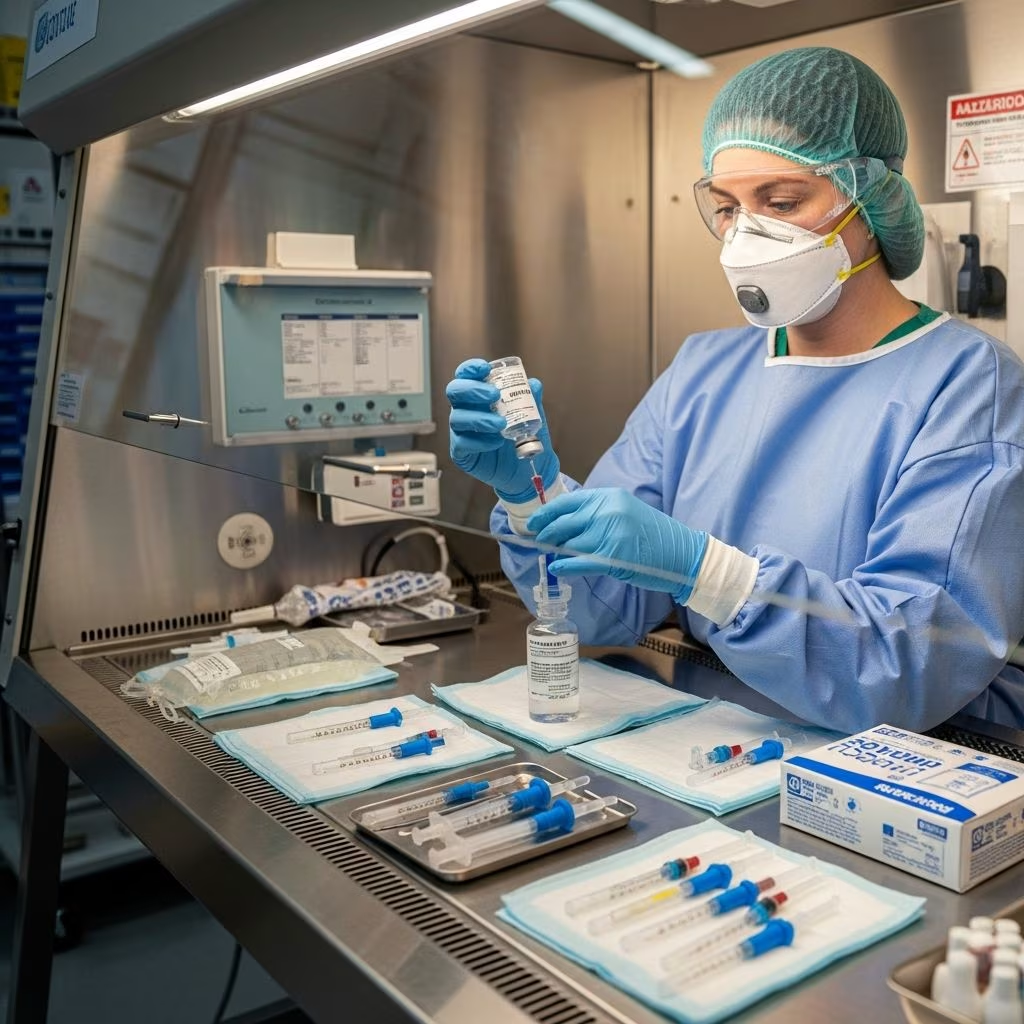
Understanding the Hazards Present in Veterinary Oncology
The field of veterinary oncology has made significant advances in treating cancers in companion animals, yet the medications used to combat these diseases present considerable occupational risks to the healthcare professionals administering them. Most conventional antineoplastic chemotherapeutic agents possess inherent toxicity that can manifest through mutagenic, teratogenic, or carcinogenic pathways. This fundamental characteristic necessitates a thorough understanding of exposure routes and comprehensive mitigation strategies within any veterinary facility that utilizes these powerful medications.
The three primary exposure pathways for veterinary personnel include inhalation of aerosolized particles during drug preparation or administration, direct contact between the drug substance and skin or mucous membranes, and accidental ingestion of contaminated materials or residues. Each of these exposure routes demands specific preventive measures tailored to the particular circumstances under which drugs are being handled.
Institutional Framework and Professional Guidelines
Recognition of the importance of safe chemotherapy handling has grown substantially throughout the veterinary profession. Professional organizations have responded to this need by establishing evidence-based recommendations. The American College of Veterinary Internal Medicine published a comprehensive Small Animal Consensus Statement on Safe Use of Cytotoxic Chemotherapeutics in Veterinary Practice in 2018, providing detailed guidance for practitioners. Additionally, the United States Pharmacopeia has developed standards applicable to all hazardous drugs through USP General Chapter 800: Hazardous Drugs—Handling in Healthcare Settings, which establishes baseline expectations for minimizing personnel and environmental exposure.
These professional standards recognize that effective safety management extends beyond individual precautions to encompass facility design, institutional policies, and systematic training protocols.
Essential Components of a Comprehensive Safety Program
Implementing robust safety practices requires attention to multiple interconnected elements:
- Comprehensive training for all personnel involved in storage, preparation, administration, and disposal of cytotoxic drugs
- Established routine surface decontamination procedures throughout the facility
- Mandatory use of appropriate personal protective equipment during all drug handling activities
- Readily accessible safety data sheets and standardized operating procedure documentation
- Designation of controlled preparation and administration areas
- Development of emergency spill response protocols and readily available spill kits
Engineering Controls and Facility Infrastructure
The physical environment in which chemotherapy is handled significantly influences the risk profile for personnel and the surrounding area. Class II biosafety cabinets represent the gold standard for chemotherapy preparation, as they provide directional airflow that contains aerosolized particles while protecting both the operator and the drug formulation from external contamination. These cabinets create a controlled microenvironment that substantially reduces inhalation risk during critical preparation steps.
Closed-system transfer devices further minimize aerosolization by creating sealed connections between drug vials, syringes, and administration lines. The strategic combination of these engineering controls creates multiple barriers against exposure, following the hierarchy of hazard control that prioritizes environmental modifications over reliance on personal behaviors or equipment.
Chemotherapy preparation and administration activities must occur in clearly designated areas that restrict unauthorized access and minimize the potential for exposure to other staff members or patients. These zones should be separate from general treatment and diagnostic areas to prevent cross-contamination and ensure that hazardous materials remain contained within appropriate boundaries.
Personal Protective Equipment Requirements
The selection and use of appropriate personal protective equipment forms a critical layer of defense against occupational exposure. The standard ensemble for chemotherapy handling includes:
| PPE Component | Specification | Purpose |
|---|---|---|
| Gowns | Long-sleeved, impermeable material | Prevent skin and clothing contamination |
| Gloves | Chemotherapy-rated, disposable, doubled | Barrier against direct contact |
| Footwear Covering | Disposable shoe covers | Prevent contamination of personal shoes |
| Hair Covering | Disposable head coverage | Prevent drug particles from contacting hair |
| Eye Protection | Safety glasses or face shields with side shields | Protect ocular surfaces from splashing |
For specific cytotoxic agents known to present elevated inhalation hazards, such as mechlorethamine, the use of fitted respirators becomes essential. The decision to implement respirator use should be based on the specific agents being handled and the nature of the procedures being performed. Importantly, gowns should not be worn for extended periods beyond three hours due to the potential for chemical permeation through the material. Soiled gowns must be removed and discarded immediately rather than stored for reuse.
Food and Beverage Control Measures
A straightforward yet highly effective preventive measure involves the absolute prohibition of human food and beverages in all areas where chemotherapy drugs are handled, including treatment rooms and the kennels or housing areas where treated animals are maintained during recovery. This simple but strictly enforced policy eliminates one common route of inadvertent ingestion. Hand hygiene practices must be rigorously maintained, with thorough washing occurring before eating, drinking, or touching the face.
Special Considerations for Vulnerable Populations
Women of childbearing age warrant particular attention and counseling regarding exposure risks. The reproductive and developmental toxicity of many chemotherapy agents necessitates enhanced caution during handling procedures. Women who are pregnant or actively breastfeeding face heightened risks and should either avoid handling antineoplastic drugs entirely or implement extraordinary protective measures in consultation with occupational health professionals. Facilities should establish clear policies regarding reproductive health accommodations and provide access to occupational health consultation for affected staff members.
Managing Exposure Through Patient Body Fluids and Excreta
An often-overlooked source of exposure involves the handling of body fluids and waste materials from patients who have recently undergone chemotherapy treatment. Cytotoxic drugs and their metabolites persist in urine, feces, saliva, and vomitus for variable periods depending on the specific agent and its pharmacokinetics. By convention and as a conservative safety measure, precautionary handling protocols are recommended for a minimum of 72 hours following intravenous chemotherapy administration, though some drugs may require extended precautions up to 7 days for oral medications.
When possible, biologic samples such as blood, urine, and tissue should be collected before chemotherapy administration to avoid contamination. Pet owners must receive clear instructions regarding home management of their treated animals, including guidance to confine urination and defecation to designated outdoor areas away from spaces where family members gather. When cats are treated, the use of masks during litter box cleaning is strongly recommended, with litter contents placed immediately into sealed plastic bags. Low-dust or no-dust litter formulations should be encouraged to minimize airborne particle exposure during cleaning activities.
Protocols for Personnel and Facility Decontamination
Systematic decontamination procedures must be established and consistently followed throughout the facility. When cleaning areas contaminated with chemotherapy patient excreta or body fluids, personnel should wear powder-free disposable gloves and safety glasses with side shields at minimum. Face shields should be employed when splashing risks exist. Gloves should be chemically resistant to any cleaning agents being used in addition to providing a barrier against the chemotherapy residues.
Cleaning procedures should utilize dilute bleach solutions with disposable towels, which are then discarded in sealed plastic bags designated for hazardous waste. All materials that have come into contact with treated patients during the risk period should be considered potentially contaminated. Dedicated cages, kennels, or stalls in low-traffic areas provide an essential containment strategy, with all materials that might contact patients or bodily fluids being either disposable or capable of thorough cleaning. Metal or disposable food and water bowls along with disposable bedding materials should be employed.
Administrative and Documentation Strategies
Clear labeling of treatment areas serves as a critical communication tool. Cages and kennels housing recently treated animals should be labeled with laminated, cleanable signs that identify the presence of chemotherapy, specify the drug name administered, indicate the major route of drug elimination, and communicate the number of days during which protective equipment is recommended. This information ensures that all personnel, including those unfamiliar with a particular case, understand the continued hazard and apply appropriate precautions.
Making safety data sheets and specifications for standardized operating procedures readily accessible throughout the facility promotes consistent adherence to protocols and provides reference information when questions arise regarding specific drugs or procedures. This documentation becomes particularly important as staff turnover occurs or when facilities expand their oncology services to include new drug regimens.
Oral Medication Handling and Home Administration
Tablets and capsules containing chemotherapy agents require special handling to maintain drug integrity and prevent aerosolization of active ingredients. Tablets should never be split or crushed, and capsules should not be opened, as these actions disrupt protective coatings and create exposure risks. Pet owners must be instructed to confirm that their pet has swallowed the medication and to avoid allowing the animal to spit out doses after they have been hidden in food.
Compounding of liquid formulations should be discouraged due to the substantial environmental contamination potential during preparation and administration at home. Empty vials and syringes should be retained and returned to the veterinary clinic for proper disposal rather than being placed in household waste streams. Client education materials should emphasize these specific points to promote compliance and protect household members from accidental exposure.
Intravenous Administration Best Practices
The administration of chemotherapy through intravenous routes demands meticulous attention to technique and continuous monitoring. Before removal from its transport container, the prepared drug should be examined for any evidence of leakage while the vial remains contained within the transport bag. Patient identification must be verified, and both the drug name and calculated dosage should be confirmed before proceeding. If the preparation appears intact and the dose is correct, it may be removed from the bag.
A plastic-backed absorbent pad should be positioned under the administration site to contain any potential leakage and prevent the drug from contacting the patient’s skin. The person restraining the patient plays a vital role in monitoring the administration site throughout the infusion, watching for signs of extravasation or improper catheter placement. IV catheters should be removed with all associated lines and tubing maintained intact, and the outer glove should be removed inside-out with the contaminated catheter contained within it before final disposal.
Regulatory Compliance and Professional Resources
Veterinarians are encouraged to contact their local board of health and other federal, state, and local regulatory agencies to understand applicable regulations regarding hazardous waste disposal specific to their jurisdiction. Compliance with these regulations protects not only facility staff but also the broader community and environmental systems. Professional organizations, occupational safety resources, and pharmaceutical manufacturers provide additional guidance tailored to specific agents and facility types, ensuring that institutions can develop comprehensive programs that reflect current best practices.
References
- Safe Handling of Antineoplastic Chemotherapeutic Agents Used in Animals — Merck Veterinary Manual, Merck & Co., Inc. 2024. https://www.merckvetmanual.com/pharmacology/antineoplastic-agents/safe-handling-of-antineoplastic-chemotherapeutic-agents-used-in-animals
- ACVIM Small Animal Consensus Statement on Safe Use of Cytotoxic Chemotherapeutics in Veterinary Practice — Journal of Veterinary Internal Medicine, American College of Veterinary Internal Medicine. 2018. https://pmc.ncbi.nlm.nih.gov/articles/PMC5980460/
- USP General Chapter 800: Hazardous Drugs—Handling in Healthcare Settings — United States Pharmacopeia. 2024. https://www.usp.org/
- Guidance for Industry #237: Oncology Drugs for Companion Animals — U.S. Food and Drug Administration, Center for Veterinary Medicine. 2018. https://www.fda.gov/media/98399/download
- Safe Handling of Hazardous Drugs for Veterinary Healthcare Workers — Centers for Disease Control and Prevention, National Institute for Occupational Safety and Health. 2010. https://www.cdc.gov/niosh/docs/wp-solutions/2010-150/pdfs/2010-150.pdf
- Preventing Occupational and Environmental Exposure to Cytotoxic Drugs — European College of Veterinary Internal Medicine. 2007. https://www.ecvim.org/



