

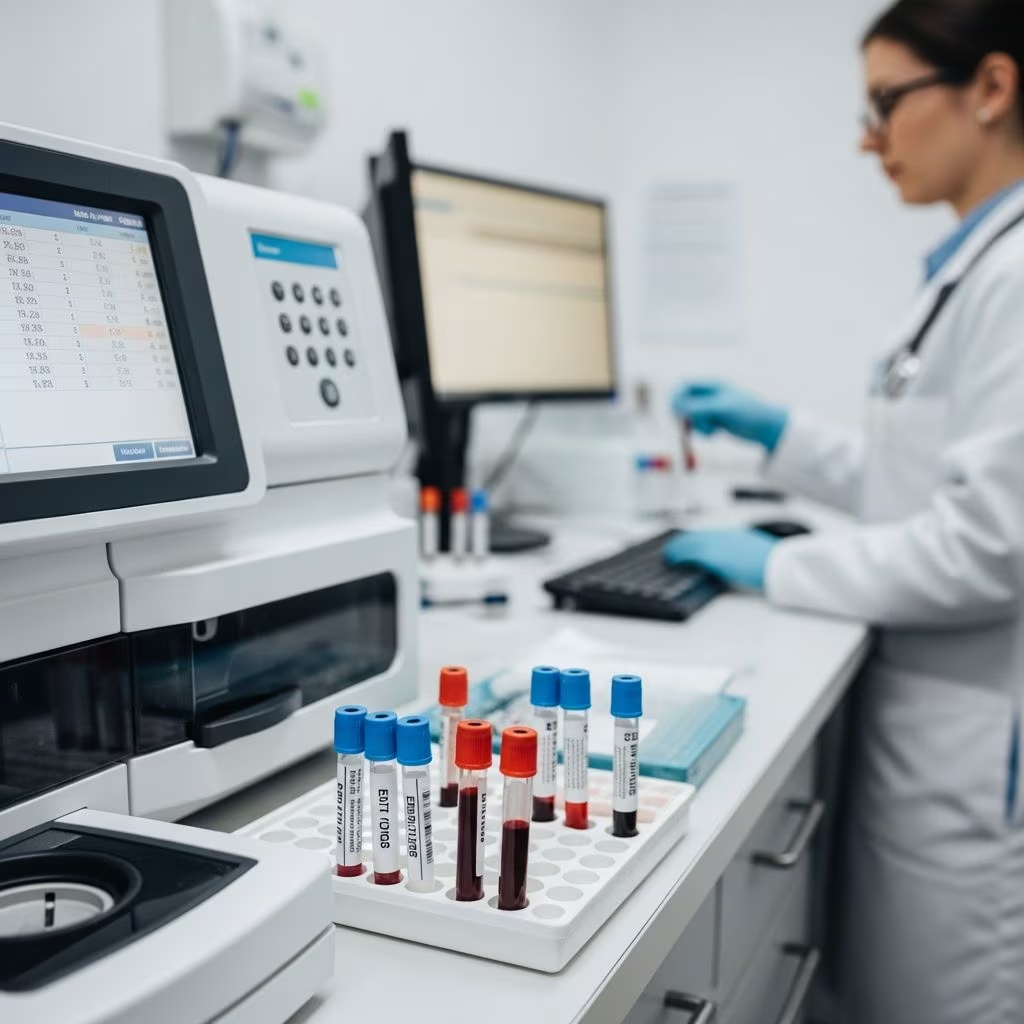
Blood gas analysis stands as a cornerstone in veterinary diagnostics, offering critical insights into a patient’s acid-base balance, oxygenation status, and ventilation efficiency. This essential test measures parameters like pH, partial pressure of carbon dioxide (pCO2), partial pressure of oxygen (pO2), and bicarbonate (HCO3) levels, which help veterinarians identify conditions such as respiratory acidosis, metabolic alkalosis, or hypoxemia in animals.
Why Blood Gas Testing Matters in Animal Health
In clinical settings, blood gas evaluation provides real-time data that influences immediate treatment decisions. For instance, deviations in pH can signal life-threatening imbalances, while low pO2 readings may indicate the need for oxygen therapy. Veterinary professionals rely on species-specific norms because physiological differences between dogs, cats, cows, and horses demand tailored interpretations.
The process involves collecting arterial or venous samples and analyzing them with specialized analyzers like the RAPIDPoint 500, which deliver results on oxygenation, electrolytes, glucose, and lactate within seconds. Accurate sampling—using blood gas syringes or lithium heparin tubes—ensures reliability, especially in critical care scenarios.
Core Parameters in Blood Gas Profiles
Understanding the primary measurements is key to effective analysis:
- pH: Reflects blood acidity or alkalinity, with normal ranges varying by species to account for metabolic differences.
- pCO2: Indicates carbon dioxide levels, linking to respiratory function; elevated values suggest hypoventilation.
- pO2: Measures oxygen tension, crucial for assessing lung efficiency and tissue perfusion.
- HCO3: Bicarbonate concentration, tied to metabolic acid-base status.
- Base Excess (BE): Quantifies metabolic components of acid-base disturbances.
These values, expressed in conventional units (e.g., mmHg for gases, mEq/L for electrolytes) or SI units (e.g., kPa), guide therapies like fluid administration or ventilation support.
Species-Specific Reference Ranges
Reference intervals differ significantly across species due to variations in metabolism, size, and respiratory physiology. Below are compiled norms from authoritative veterinary sources, focusing on arterial blood gases unless noted.
| Parameter | Units | Dog | Cat | Cow | Horse |
|---|---|---|---|---|---|
| pH | – | 7.31–7.42 | 7.24–7.40 | 7.35–7.50 | 7.32–7.44 |
| pCO2 | mmHg | 29–42 | 35–44 | 36–46 | ~40 (varies) |
| pO2 (arterial) | mmHg | 85–95 | ~92 | ~94 | 85–95 |
| HCO3 | mEq/L | 17–24 | 20–30 | 24–30 | 24–30 |
| Base Excess | mEq/L | -4 to +2 | -5 to +3 | 0±3 | -2 to +2 |
These ranges are derived from healthy populations and may shift with age, diet, or analyzer type. For example, cats show slightly lower pH norms compared to dogs, reflecting their unique acid-base homeostasis.
Interpreting Deviations: Common Clinical Scenarios
Abnormal results demand systematic evaluation. A low pH with high pCO2 points to respiratory acidosis, often from pulmonary disease or airway obstruction. Conversely, high pH and low pCO2 suggest respiratory alkalosis, possibly due to hyperventilation from pain or anxiety.
Metabolic issues appear as pH shifts with normal or compensatory pCO2 changes. For instance, diarrhea in calves can cause metabolic acidosis (low HCO3), while vomiting in horses might lead to alkalosis. Oxygenation deficits, marked by pO2 below 80 mmHg, require supplemental O2, aiming for PaO2 ≈ 5 × FiO2 (room air FiO2 = 0.21).
In practice, combine blood gas with history and other labs like hematocrit or lactate for holistic assessment. Elevated lactate often signals tissue hypoperfusion in shock.
Sampling Techniques for Reliable Results
Proper collection prevents artifacts. Arterial samples from femoral or dorsal pedal arteries best reflect pulmonary function, but venous draws suffice for acid-base and electrolytes in stable patients.
Use heparinized syringes, expel air bubbles, and analyze immediately—delays cause pCO2 rise and pH drop. For cats, lithium heparin tubes offer a practical alternative for select parameters like HCO3, sodium, and glucose, minimizing blood volume needs.
- Anaerobic technique: Avoid air exposure to prevent gas diffusion errors.
- Species considerations: Smaller syringes for cats; larger for ruminants.
- Storage: Ice bath if delay unavoidable, but prefer point-of-care analysis.
Analyzer Variability and Quality Control
Devices like RAPIDPoint 500 or epoc provide comprehensive profiles but require species-specific validation. Reference intervals must match the analyzer, as methods affect readings—e.g., feline venous pCO2 may differ slightly from arterial.
Labs establish in-house ranges from healthy cohorts (n>120 ideally), accounting for 90% confidence intervals. Factors like altitude adjust pO2 norms downward.
Advanced Metrics: Electrolytes and Beyond
Blood gas panels often include electrolytes (Na, K, iCa, Cl), anion gap, glucose, and lactate, broadening diagnostic scope.
| Parameter | Dog | Cat |
|---|---|---|
| Na (mEq/L) | 145–155 | 148–158 |
| K (mEq/L) | 3.5–4.5 | 3.6–4.9 |
| iCa (mmol/L) | 1.0–1.3 | 1.1–1.3 |
| Glucose (mg/dL) | 70–120 | 80–140 |
| Lactate (mmol/L) | <2.5 | <2.5 |
Anion gap (Na – (Cl + HCO3)) flags unmeasured anions in ketoacidosis or uremia. Hematocrit and hemoglobin from co-oximetry aid anemia detection.
Clinical Applications Across Species
Dogs: Common in GDV or sepsis; monitor for mixed respiratory-metabolic acidosis.
Cats: Hypertrophic cardiomyopathy or urethral obstruction often yield hyperkalemia and acidosis; venous sampling practical.
Cows: Rumen acidosis from grain overload lowers pH; higher HCO3 norms reflect ruminant buffering.
Horses: Colic cases show lactic acidosis; tie to electrolyte shifts for fluid therapy.
Limitations and Best Practices
Ranges are population-based; individual variation exists. Pregnant or neonatal animals deviate. Always correlate with clinical signs.
Best practices: Standardize sampling sites, calibrate analyzers daily, and consult lab-specific intervals. For oxygen therapy, track serial pO2 to guide weaning.
Frequently Asked Questions (FAQs)
What is a normal pO2 for a dog on room air?
85–95 mmHg arterial; below 80 indicates hypoxemia.
Can venous blood replace arterial for acid-base?
Yes for pH, HCO3, BE in stable patients; pO2 less reliable.
How does altitude affect readings?
Lowers pO2; adjust expectations ~3% per 1000 ft above sea level.
What if HCO3 is low in a cow?
Suspect diarrhea or DKA; replete with bicarbonate judiciously.
Is lactate useful in emergencies?
Yes, >2.5 mmol/L predicts poor outcome in shock.
References
- Reference Intervals – Veterinary Pathology — Iowa State University College of Veterinary Medicine. 2026. https://vetmed.iastate.edu/vpath/services/diagnostic-services/clinical-pathology-diagnostic-and-research-services/testing-and-fees/reference-intervals/
- Blood-Gas Analysis Reference Ranges — Merck Veterinary Manual. 2024-09. https://www.merckvetmanual.com/multimedia/table/blood-gas-analysis-reference-ranges
- Determination of reference intervals and comparison of venous blood gas analysis — PMC (PubMed Central). 2024. https://pmc.ncbi.nlm.nih.gov/articles/PMC11104123/
- Blood-Gas Analysis Reference Ranges — Merck Veterinary Manual. 2024-09. https://www.merckvetmanual.com/reference-values-and-conversion-tables/reference-guides/blood-gas-analysis-reference-ranges
- Reference Intervals — Cornell University College of Veterinary Medicine. 2026. https://www.vet.cornell.edu/animal-health-diagnostic-center/laboratories/clinical-pathology/reference-intervals
- epoc Reference Ranges — Woodley Equipment. 2026. https://www.woodleyequipment.com/docs/epoc_reference_ranges.pdf



