
Veterinary Antiseptics and Disinfectants Guide
Comprehensive guide to selecting and using antiseptics and disinfectants in animal care for optimal infection control and safety.
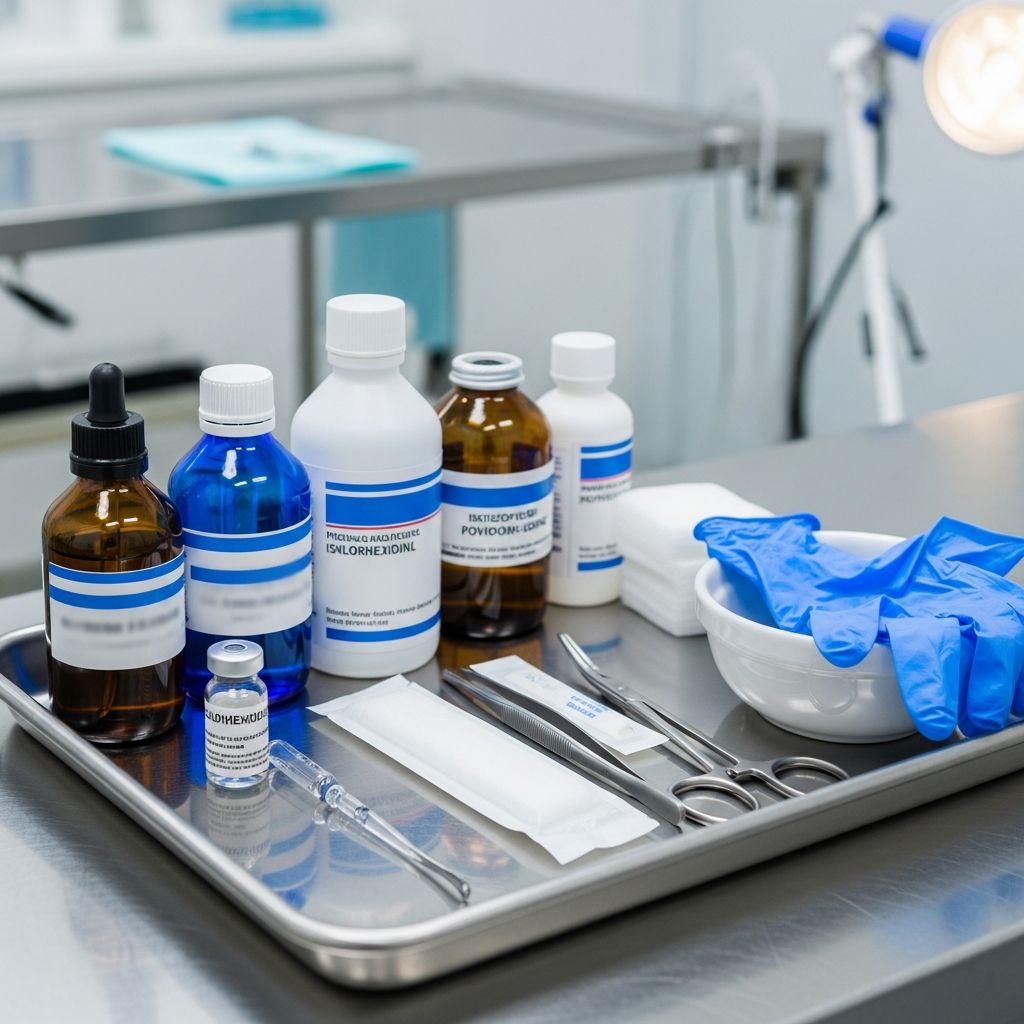
Antiseptics and disinfectants form the backbone of infection prevention in veterinary medicine, distinguishing themselves by their application sites: antiseptics target living tissues to curb microbial growth, while disinfectants eliminate pathogens on inanimate surfaces. These agents are indispensable in clinical settings, farms, and households to break the chain of disease transmission among animals and from animals to humans.
Fundamental Principles of Microbial Control in Animal Care
Effective hygiene begins with understanding how these compounds interact with microorganisms. Cleansing agents, often containing surfactants or detergents, physically remove dirt, organic matter, and transient microbes through solubilization and mechanical action. This preparatory step enhances the performance of subsequent antiseptic or disinfectant applications by exposing pathogens to active ingredients.
In veterinary environments, protocols must adapt to specific scenarios, such as surgical preparations, wound care, or facility decontamination. No single product suits all needs; selection hinges on the target pathogen, presence of organic load, contact time required, and safety for animals and handlers.
Major Categories of Antiseptic and Disinfectant Agents
Veterinary professionals rely on diverse chemical classes, each with unique spectrums of activity, advantages, and drawbacks. Below, we detail key groups based on established efficacy data.
Alcohol-Based Solutions
Ethyl and isopropyl alcohols stand out for their rapid action as lipid solvents and protein denaturants. Applied to clean skin or surfaces, they swiftly reduce bacterial loads by 80% within 1-3 minutes of contact. Their volatility ensures quick evaporation, minimizing residue, but efficacy plummets in the presence of blood, feces, or mucus.
- Ideal uses: Skin preparation before injections, minor procedures, and surface wiping in low-organic-load areas.
- Limitations: Flammable; not sporicidal; requires pre-cleaning.
Iodine Compounds and Iodophors
Iodophors, such as povidone-iodine (PVP-I), release free iodine to disrupt microbial proteins and nucleic acids. They offer broad-spectrum activity against bacteria, fungi, viruses, and some spores, with residual effects lasting 4-6 hours post-application. Less irritating than tinctures, they double as cleansers due to surfactant carriers.
- Applications: Preoperative scrubs, wound irrigation, and teat dips in dairy operations.
- Cautions: Can stain fabrics; potential thyroid interference in repeated animal exposures.
Chlorine-Releasing Agents like Hypochlorites
Sodium hypochlorite (household bleach) excels as a broad-spectrum oxidizer, effective against bacteria, viruses, fungi, and spores at dilute concentrations (e.g., 0.5% for surfaces). Its low cost and availability make it a staple, though it demands short contact times and fresh preparation to maintain potency.
| Concentration | Contact Time | Target Pathogens |
|---|---|---|
| 1:10 dilution (0.5-0.6%) | 10 minutes | Bacteria, viruses (incl. parvovirus), fungi |
| 1:100 dilution | 5 minutes | General bacteria, enveloped viruses |
- Strengths: Economical; potent against robust pathogens like feline calicivirus (FCV).
- Drawbacks: Corrosive to metals; irritating to tissues; decomposes in organic matter or sunlight.
Quaternary Ammonium Compounds (QACs)
These cationic surfactants disrupt microbial cell membranes, providing persistent bactericidal and fungicidal effects on surfaces. Common in clinic wipes and floor cleaners, they falter against non-enveloped viruses and in soapy or protein-rich environments due to binding with organic debris.
- Best for: Non-critical surface disinfection in exam rooms.
- Avoid with: Anionic detergents, which inactivate them.
Oxidizing Agents: Peroxides and Peroxysulfates
Accelerated hydrogen peroxide (AHP) formulations, enhanced with surfactants, target a wide array of pathogens including mycobacteria and viruses. Potassium peroxymonosulfate (PPMS) offers similar potency, effective against parvovirus with 10-minute exposures.
- Advantages: Low toxicity; environmentally friendly breakdown; suitable for veterinary hospitals.
- Considerations: May corrode certain surfaces; test compatibility.
Aldehyde Disinfectants
Glutaraldehyde and formaldehyde penetrate cells to alkylate proteins and DNA, yielding sporicidal and virucidal power. However, their caustic nature restricts them to environmental disinfection, not tissue contact—gloves are mandatory.
- Potent against: Hepatitis B-like viruses when boosted with additives.
- Risks: Respiratory irritation; carcinogenicity concerns limit routine use.
Evaluating Efficacy Against Veterinary Pathogens
Standardized testing, such as European Norms (ENs), validates claims for bactericidal, fungicidal, virucidal, and mycobactericidal activity. For instance, EN 14204 uses Mycobacterium avium to assess tuberculosis control products. Enveloped viruses (e.g., influenza) succumb more readily than non-enveloped ones like foot-and-mouth disease virus (FMDV).
In feline settings, sodium hypochlorite and PPMS effectively reduce FCV titers, crucial for shelter hygiene. Against dermatophytes like Microsporum canis, hypochlorites and glutaraldehyde outperform phenolics.
Safe Application Protocols in Practice
Success demands meticulous protocols:
- Pre-clean: Remove visible soil to optimize agent penetration.
- Dilute correctly: Follow manufacturer specs; overuse risks toxicity.
- Ensure contact: Allow specified dwell times without rinsing unless indicated.
- Ventilate: Especially for fumes-heavy agents like aldehydes.
- PPE: Gloves, goggles for handlers; secure animals from access.
Toxicity profiles vary: alcohols sting open wounds; iodophors may delay healing if concentrated; hypochlorites bleach fabrics and harm aluminum.
Scenario-Specific Recommendations
| Setting/Use | Recommended Agent | Rationale |
|---|---|---|
| Surgical prep | Alcohol + chlorhexidine or iodophor | Rapid kill, residual activity |
| Wound care | Dilute PVP-I or polyhexamethylene biguanide | Tissue-safe, broad spectrum |
| Floor/walls | QACs or AHP | Non-corrosive persistence |
| Parvovirus outbreak | PPMS or 1:32 bleach | Proven virucidal |
| Farm equipment | Hypochlorite or phenolics | Cost-effective bulk use |
Challenges and Emerging Developments
Organic matter consistently hampers efficacy, underscoring cleaning’s primacy. Resistance, though less documented in disinfectants than antibiotics, prompts rotation of classes. Innovations like stabilized peroxides and combined formulations address gaps in speed and spectrum.
Regulatory standards ensure market-ready products demonstrate activity via validated assays, safeguarding against subpar claims.
Frequently Asked Questions (FAQs)
What is the difference between antiseptics and disinfectants?
Antiseptics are safe for living tissues (e.g., skin, mucosa), while disinfectants target inanimate objects exclusively.
Can I use household bleach on my pet’s skin?
No; it’s too irritating. Reserve for surfaces at proper dilutions.
How do I store disinfectants safely?
In cool, dark places; label dilutions with prep dates; separate from food.
Are natural alternatives effective?
Limited data; they often lack broad-spectrum, reliable kill times compared to tested chemicals.
What if a product doesn’t work as expected?
Check expiration, dilution, contact time, and organic load; consult veterinary guidelines.
References
- Antiseptics and Disinfectants — Veterian Key. Accessed 2026. https://veteriankey.com/antiseptics-and-disinfectants/
- Assessing Antimicrobial Activity of Veterinary Disinfectants — PMC (NCBI). 2023. https://pmc.ncbi.nlm.nih.gov/articles/PMC11639285/
- GUIDELINE for Disinfectant choice in feline veterinary hospitals — ABCD Cats & Vets. Accessed 2026. https://www.abcdcatsvets.org/guideline-for-disinfectant-choice-in-feline-veterinary-hospitals-shelters-and-cat-households/
- Overview of Antiseptics and Disinfectants for Use With Animals — Merck Veterinary Manual. Accessed 2026. https://www.merckvetmanual.com/pharmacology/antiseptics-and-disinfectants/overview-of-antiseptics-and-disinfectants-for-use-with-animals
Similar Articles








Read full bio of medha deb


