
Veterinary Antiarrhythmics: 7 Essential Drugs And Uses
Comprehensive overview of antiarrhythmic drugs essential for managing heart rhythm disorders in dogs, cats, and horses.
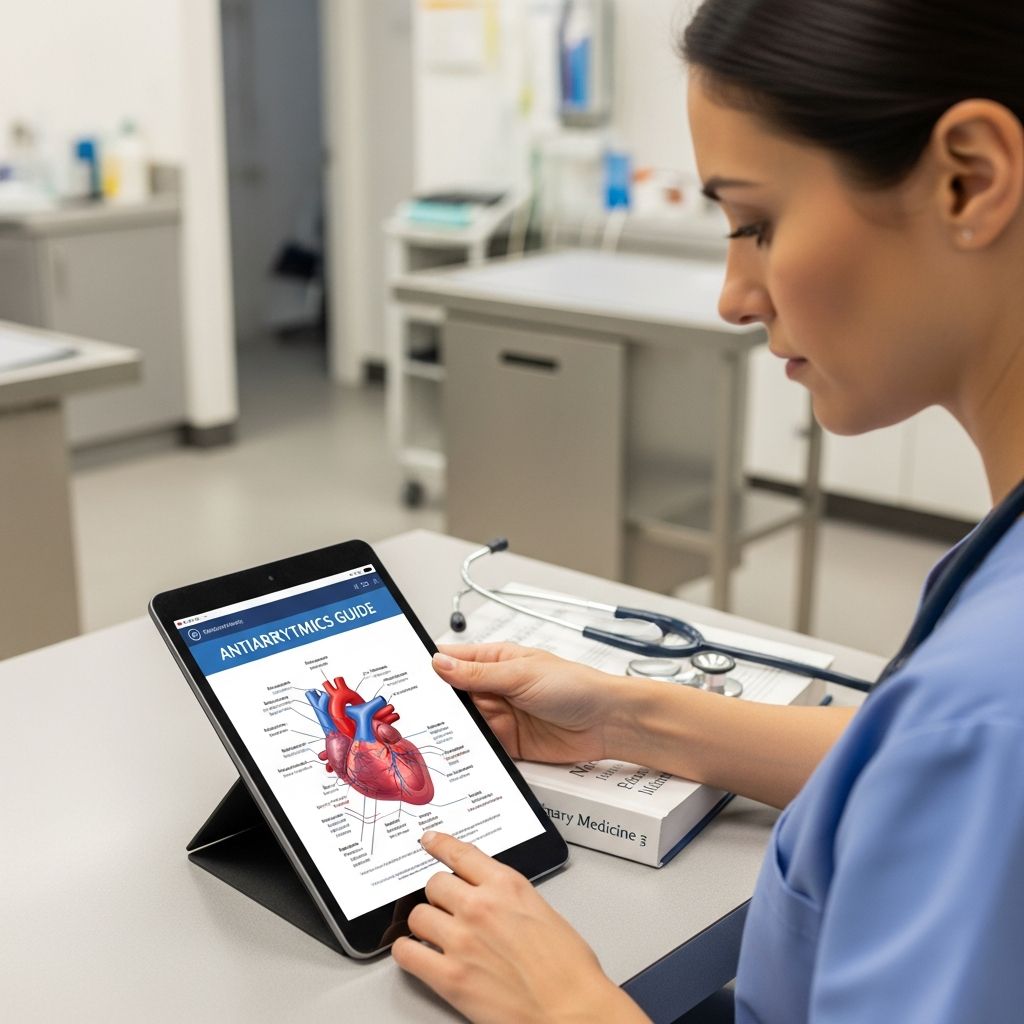
Antiarrhythmic medications play a critical role in veterinary cardiology by restoring normal heart rhythms in animals suffering from irregular beats. These drugs target specific ion channels and receptors in cardiac cells to suppress abnormal electrical activity, preventing life-threatening conditions like sudden cardiac arrest. This guide details major drug classes, their mechanisms, clinical applications, dosing strategies, and potential adverse effects, drawing from established pharmacological principles.
Understanding Cardiac Arrhythmias in Pets
Heart arrhythmias disrupt the coordinated electrical impulses that regulate heartbeat, leading to tachycardia, bradycardia, or fibrillation. In dogs, ventricular tachyarrhythmias are common in breeds like Boxers with arrhythmogenic right ventricular cardiomyopathy, while cats often experience supraventricular issues tied to hypertrophic cardiomyopathy. Effective therapy requires identifying the arrhythmia type via ECG, as treatments differ for atrial versus ventricular origins.
Life-threatening rhythms demand immediate intervention to avert hemodynamic collapse. Chronic management focuses on reducing arrhythmia burden and improving quality of life, often combining drugs for synergistic effects.
Sodium Channel Blockers: Class I Agents
Class I antiarrhythmics inhibit sodium influx during phase 0 of the cardiac action potential, slowing conduction and prolonging refractoriness. Subclassified by binding kinetics, they address both supraventricular and ventricular disturbances.
Class IA: Quinidine and Procainamide
Quinidine, derived from quinine, moderates sodium and potassium channels while exhibiting anticholinergic effects that enhance atrial excitability. It excels in converting atrial fibrillation to sinus rhythm in horses and dogs, though gastrointestinal upset like vomiting limits oral use. Intravenous administration suits acute scenarios, with monitoring for hypotension essential.
Procainamide shares similar properties but lacks strong vagolytic action, making it versatile for ventricular tachycardia and accessory pathway-mediated supraventricular tachycardias. Often paired with lidocaine for refractory ventricular storms, its oral form supports maintenance therapy. Active metabolite N-acetylprocainamide contributes to efficacy, necessitating dose adjustments in renal impairment.
Class IB: Lidocaine and Mexiletine
Lidocaine rapidly suppresses ventricular ectopy by briefly blocking inactivated sodium channels and stabilizing phase 4 depolarization. Ideal for acute crises due to its 1-hour half-life in dogs, it bypasses supraventricular tissues effectively. Cats require lower doses owing to heightened sensitivity, and hypokalemia diminishes its potency.
Mexiletine, lidocaine’s oral counterpart, manages chronic ventricular arrhythmias, particularly when sotalol fails. Given with meals to curb nausea, it serves as adjunctive therapy in severe cases like Doberman ventricular disease. Availability constraints and rising costs pose challenges.
Class IC: Flecainide Insights
Flecainide potently depresses sodium channels, proving effective against rate-dependent atrial flutter in experimental equine models. Limited veterinary adoption stems from proarrhythmic risks, but it holds promise for refractory supraventricular tachycardias.
Beta-Adrenergic Blockers: Class II Therapies
These agents antagonize beta receptors, reducing sympathetic drive to decrease automaticity, conduction velocity, and contractility. Beyond arrhythmias, they control sinus tachycardia, hypertension, and hypertrophic effects in hyperthyroid cats.
Propranolol, atenolol, metoprolol, and carvedilol feature in protocols, with caution in congestive heart failure due to negative inotropy. Sotalol uniquely bridges classes II and III, dominating long-term ventricular control.
Potassium Channel Modulators: Class III Options
By extending action potential duration via potassium efflux inhibition, Class III drugs prevent early afterdepolarizations and sustain refractoriness.
Sotalol: Versatile First-Line Choice
Sotalol combines beta-blockade with potassium channel inhibition, curbing ventricular tachyarrhythmias in dogs and cats. Boxers with ARVC benefit markedly, showing reduced arrhythmia severity. It offers modest atrial fibrillation rate control but underperforms dedicated agents. QT prolongation mandates ECG monitoring; combine with mexiletine for optimization.
Amiodarone: Reserve Powerhouse
Amiodarone’s broad-spectrum action encompasses multiple channels, rendering it invaluable for drug-resistant ventricular and supraventricular arrhythmias. Oral or IV routes suit acute or chronic needs, though thyroid, lung, and liver toxicities necessitate surveillance. Rarely first-line due to complexity.
Calcium Channel Antagonists: Class IV Essentials
Blocking L-type calcium channels, these drugs decelerate sinoatrial and atrioventricular nodal conduction, prioritizing supraventricular rate control. Vascular selectivity varies efficacy profiles.
Diltiazem Dominance
Diltiazem excels in ventricular rate reduction during atrial fibrillation and other supraventricular tachycardias in dogs and cats. Extended-release formulations simplify twice-daily dosing. Past use in feline hypertrophic cardiomyopathy waned due to equivocal benefits. Verapamil, more inotropic, risks decompensation in heart failure.
Amlodipine Adjunct
Primarily vasodilatory, amlodipine indirectly aids rhythm via blood pressure modulation but lacks direct antiarrhythmic potency.
Clinical Dosing and Administration Table
| Drug | Species | Route/Dose | Frequency | Key Notes |
|---|---|---|---|---|
| Quinidine | Dog/Horse | IV: 2-4 mg/kg; PO: 6-20 mg/kg | q6-8h | Monitor for GI upset, hypotension |
| Procainamide | Dog | IV: 6-8 mg/kg; PO: 10-20 mg/kg | q6h | Combine with lidocaine for VT |
| Lidocaine | Dog/Cat | IV: 2 mg/kg bolus, CRI 25-50 mcg/kg/min | Continuous | Lower dose in cats |
| Mexiletine | Dog | PO: 5-8 mg/kg | q8h | With food |
| Sotalol | Dog/Cat | PO: 1-3 mg/kg | q12h | ECG for QT interval |
| Amiodarone | Dog | PO: 10 mg/kg | q12h loading, then q24h | Monitor thyroid/liver |
| Diltiazem | Dog/Cat | PO: 0.5-2 mg/kg (extended release) | q12h | Rate control for AF |
Combination Therapies and Monitoring
Synergistic pairings enhance outcomes; procainamide-lidocaine tackles acute ventricular threats, while sotalol-mexiletine sustains chronic control. Serial Holter monitoring quantifies efficacy, guiding adjustments. Electrolyte balance, especially potassium and magnesium, profoundly influences drug performance.
Adverse Effects and Contraindications
- Class I: Proarrhythmia, GI intolerance, hypotension.
- Class II/III: Bradycardia, bronchospasm, QT prolongation (sotalol), multi-organ toxicity (amiodarone).
- Class IV: AV block, negative inotropy; avoid in systolic dysfunction.
Hepatic/renal disease alters pharmacokinetics; tailor doses accordingly. Pregnancy and lactation warrant caution.
Species-Specific Considerations
Dogs tolerate higher lidocaine boluses than cats, where neurotoxicity emerges sooner. Horses favor quinidine for atrial fibrillation. Breed predispositions, like Dobermans benefiting from Class I combos, inform selections.
Emerging Trends and Alternatives
While pharmacotherapy prevails, ablation and pacemakers complement severe cases. Research explores novel agents, but established drugs remain cornerstones.
Frequently Asked Questions (FAQs)
What is the first-line treatment for ventricular tachycardia in dogs?
Lidocaine for acute episodes; sotalol for chronic management.
Can beta-blockers worsen heart failure?
Yes, due to negative inotropy; use judiciously with monitoring.
Is diltiazem safe for cats with hypertrophic cardiomyopathy?
Historically used, but evidence is limited; prefer rate control in AF.
How does sotalol differ from other beta-blockers?
It adds Class III effects via potassium channel blockade.
What monitoring is required for amiodarone?
Thyroid function, liver enzymes, chest X-rays periodically.
References
- Antiarrhythmic therapy (Proceedings) — dvm360. 2023. https://www.dvm360.com/view/antiarrhythmic-therapy-proceedings
- Antiarrhythmics for Use in Animals – Pharmacology — Merck Veterinary Manual. 2023. https://www.merckvetmanual.com/pharmacology/systemic-pharmacotherapeutics-of-the-cardiovascular-system/antiarrhythmics-for-use-in-animals
- Which Drugs Treat Ventricular Arrhythmias in Dogs & Cats? — Clinician’s Brief. 2023. https://www.cliniciansbrief.com/article/which-drugs-treat-ventricular-arrhythmias-dogs-cats
- Arrhythmias and Antiarrhythmic Therapy — LeadER Vet. 2023. https://leadervet.com/articles-papers/arrhythmias-and-antiarrhythmic-therapy/
- Heart Medications for Dogs & Cats — BluePearl Pet Hospital. 2023. https://bluepearlvet.com/medical-articles-for-pet-owners/commonly-prescribed-pet-heart-medications/
- Heart Disease – Medications: Sotalol — Tufts University Cummings School of Veterinary Medicine. 2023. https://vet.tufts.edu/foster-hospital-small-animals/specialty-services/cardiology/heartsmart/heart-disease-medications
Similar Articles








Read full bio of Sneha Tete


