Vet White Coats: Friend or Foe for Pets?
Discover how a veterinarian's white coat impacts pet stress, owner trust, and clinic dynamics in modern animal care.
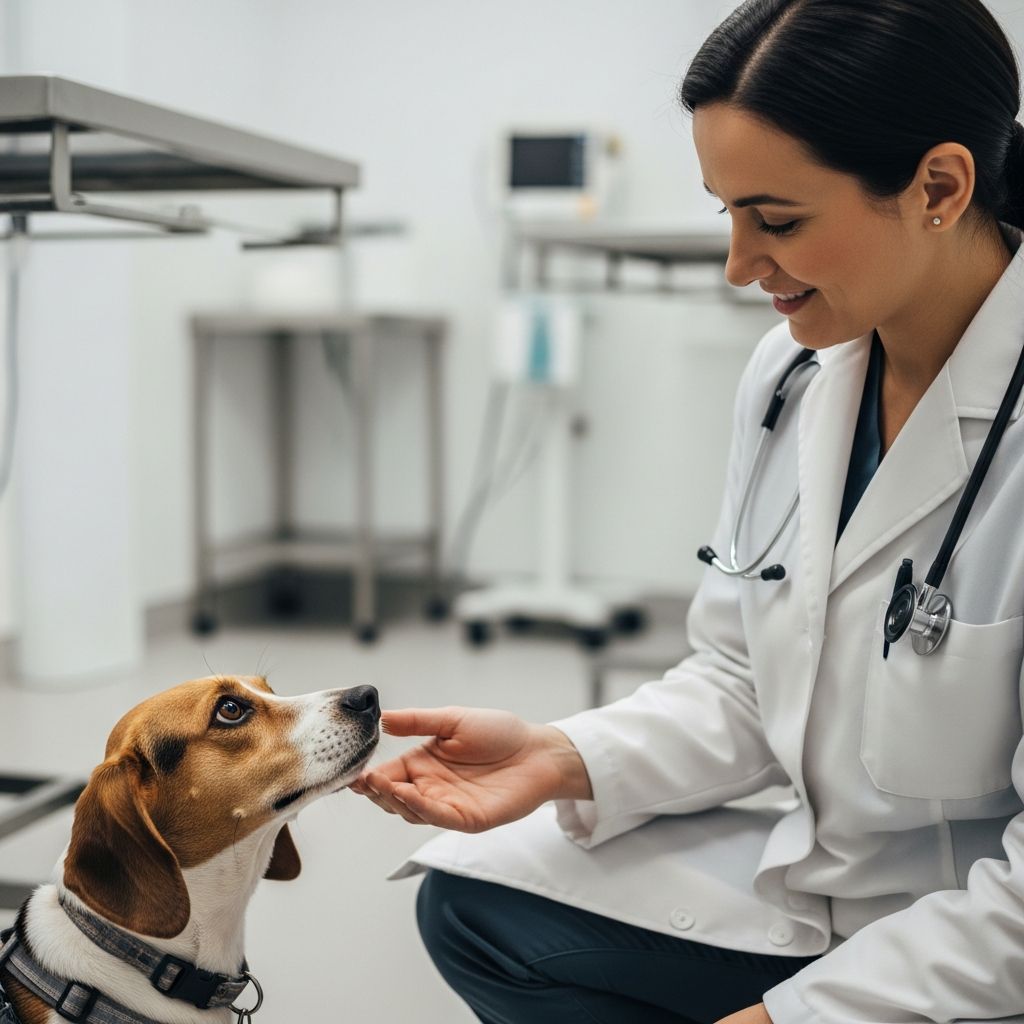
In veterinary clinics worldwide, the sight of a white lab coat has long symbolized expertise and sterility. Yet, emerging research reveals a complex reality: this iconic garment may inadvertently heighten stress in animal patients, particularly dogs. Known as the “white coat effect,” this phenomenon mirrors human medicine, where clinical attire triggers anxiety responses like elevated blood pressure. For pets, it manifests as avoidance behaviors, physiological changes, and challenges in accurate diagnostics. This article delves into the science, owner perspectives, and practical solutions to optimize clinic experiences for all involved.
The Science Behind Pet Stress in Clinics
Veterinary visits often provoke fear in pets due to unfamiliar environments, scents, sounds, and handling. Studies show nearly 80% of dogs exhibit stress signs like crouched postures, lip licking, or avoidance during exams. These reactions stem from the sympathetic nervous system’s fight-or-flight response, releasing cortisol and adrenaline, which can mask symptoms or provoke aggression.
Key contributors include novel stimuli: clinic odors, leashed restraint, and stranger proximity. Prior negative experiences amplify this, creating conditioned fear. Fearful pets complicate exams, as muscle tension hides pain or illness, and aggression risks staff safety.
Unpacking the White Coat Effect in Animals
The white coat effect (WCE) describes heightened stress solely from a clinician’s attire. In a controlled study at Washington State University, dogs faced a choice: treats from a vet in scrubs versus one in a white coat. Results were striking—dogs spent significantly more time near the no-coat vet (mean 102.5 seconds vs. 45.2 seconds) and retrieved more treats from them.
- Dogs avoided the white-coated vet’s zone, suggesting aversion possibly to the coat’s bulkier silhouette or stark color.
- No significant owner-zone preference indicated attachment, but coat presence overrode food motivation in some cases.
- Implications: WCE hinders assessments, as stressed dogs resist handling.
Physiologically, WCE raises intraocular pressure in dogs and cats, complicating glaucoma checks. Blood pressure spikes occur too; one study found clinic readings 20-30 mmHg higher than home baselines in healthy dogs. Chronic stress risks hypertension, mirroring human patterns.
Owner Attitudes Toward Vet Attire
Pet owners value professionalism but question traditional garb. A survey of 1,200 owners revealed 70% deem white coats unnecessary, and 95% oppose ties. Despite this, when selecting preferred images, clinical (white coat) or professional attire topped choices—hinting subconscious trust links.
| Attire Style | Owner Preference (%) | Perceived Traits |
|---|---|---|
| Scrubs | 25% | Approachable, modern |
| White Coat + Scrubs | 35% | Professional, competent |
| Casual | 15% | Friendly, less authoritative |
| Business Formal | 25% | Trustworthy, polished |
This table summarizes survey data, showing white coats boost confidence despite explicit rejections. Human parallels exist: patients prefer white-coated doctors for competence but feel less at ease.
Why White Coats Trigger Fear: Evolutionary Insights
Dogs may perceive white coats as threats due to their high contrast against skin, resembling predators, or bulk enhancing intimidation. Unlike scrubs, lab coats evoke sterility labs, absent comforting cues. Color matters—future studies test non-white alternatives.
Broader clinic stressors compound this: cat-dog mingling, slippery floors, loud noises. Fear-free protocols advocate species-separated waits, non-slip surfaces, and pheromone diffusers.
Strategies for Low-Stress Veterinary Care
Evidence-based interventions prioritize calm:
- Attire Adjustments: Opt for colorful scrubs or Fear Free®-approved coats to reduce WCE.
- Environmental Tweaks: Quiet rooms, familiar blankets, elevated exam tables for owner comfort.
- Behavioral Techniques: Counter-conditioning with high-value treats; pheromone collars for cats.
- Pre-Visit Prep: Acclimation tours, recorded heartbeats, or thunder-model training analogs.
- Tech Aids: Calming music, compression wraps—efficacy varies, needing more trials.
The Fear Free® movement, launched post-2016, trains vets in these, cutting sedation needs by 50% in adopters.
Physiological Impacts and Diagnostic Challenges
Stress skews vitals: tachycardia, hypertension, elevated intraocular pressure—all mimicking disease. In glaucoma suspects, WCE inflates readings 5-10 mmHg, risking overtreatment. Masked signs include subtle limps or GI upset hidden by tension.
Long-term, repeated stress may contribute to phobia, worsening compliance. Happier vets report less burnout, as handling cooperative pets eases workflows.
Comparing Human and Veterinary White Coat Effects
| Aspect | Human Medicine | Veterinary Medicine |
|---|---|---|
| Blood Pressure Rise | 10-30 mmHg | 20-40 mmHg in dogs |
| Preference | Coat for competence | Scrubs for pet calm |
| Behavioral Response | Anxiety, tension | Avoidance, aggression |
Humans verbalize trust in coats; pets vote with feet.
Future Directions in Vet Attire Research
Gaps persist: color impacts, cat studies, long-term outcomes. RCTs testing blue/green coats or printed scrubs could guide standards. Owner education via apps tracking stress baselines aids home-clinic comparisons.
Frequently Asked Questions (FAQs)
Does every dog fear white coats?
No—about 87% showed preference in one study, but individuals vary by history.
Are scrubs safer for exams?
Yes, dogs approach scrubs-wearing vets more readily, easing handling.
How can I prep my pet for visits?
Use pheromone sprays, practice carrier time, pair car rides with treats.
Do owners really prefer no white coat?
Explicitly yes (70%), but images suggest subconscious pull.
Is WCE serious for health?
It skews diagnostics like BP/glaucoma; chronic fear risks hypertension.
Practical Tips for Vet Clinics
- Stock varied attire; poll clients.
- Train staff in body language reads.
- Implement waiting lists for calm entry.
- Offer virtual consults for mild issues.
References
- Dogs’ Preference for White Coat versus No White Coat When Offered a Food Reward in the Exam Room — Leticia Fanucchi and Savannah Norton. MedWin Publishers. 2023. https://medwinpublishers.com/OAJVSR/dogs-preference-for-white-coat-versus-no-white-coat-when-offered-a-food-reward-in-the-exam-room.pdf
- Evaluation of owners’ attitudes towards veterinarian attire — PMC/NCBI. 2019-02-20. https://pmc.ncbi.nlm.nih.gov/articles/PMC6376145/
- The White Coat Effect in Animals: Reducing Fear in the Vet Clinic — Science-Based Medicine. 2019. https://sciencebasedmedicine.org/the-white-coat-effect-in-animals-reducing-fear-in-the-vet-clinic/
- The White Coat Effect: Physician Attire and Perceived Authority, Friendliness, and Attractiveness — Communication Cache. 2008. http://www.communicationcache.com/uploads/1/0/8/8/10887248/the_white-coat_effect-_physician_attire_and_perceived_authority_friendliness_and_attractiveness..pdf
- How Veterinarians Dress Makes a Difference to Clients — AAHA Newstat. Undated. https://www.aaha.org/newstat/publications/how-veterinarians-dress-makes-a-difference-to-clients/
- The White Coat Effect Influences Intraocular Pressure — Wiley Online Library. 2023. https://onlinelibrary.wiley.com/doi/10.1111/vop.70113
- White-Coat Effect in Small Animal Veterinary Medicine — Newswise/ACVIM. 2015-06-03. https://www.newswise.com/articles/white-coat-effect-did-you-know-that-it-is-a-factor-in-small-animal-veterinary-medicine-too-acvim-board-certified-veterinarian-addresses-subject-june-3-at-2015-acvim-forum-indianapolis
Similar Articles





Read full bio of Sneha Tete