

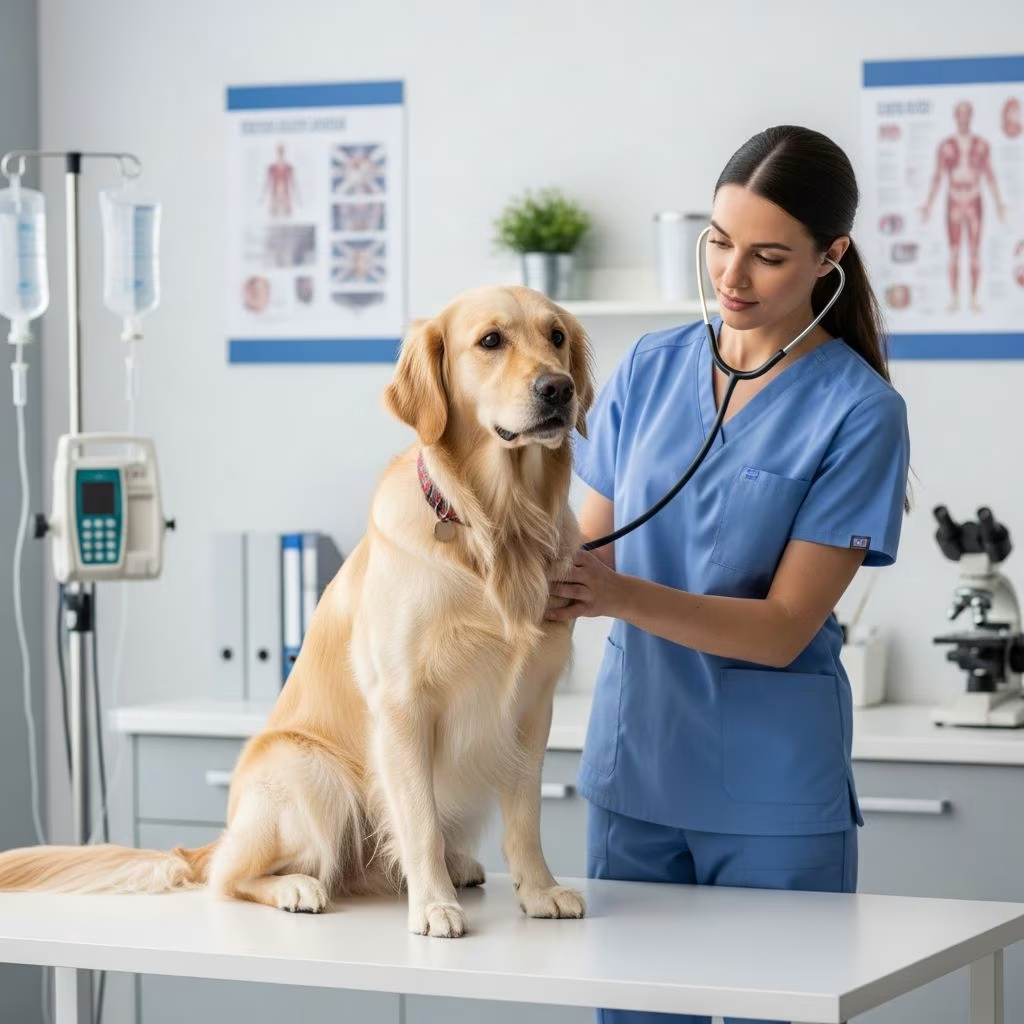
Ensuring your dog receives top-notch veterinary attention starts with thoughtful preparation and understanding what happens during and after visits. This guide draws on expert veterinary recommendations to help you navigate everything from initial puppy exams to senior wellness checks, making healthcare a positive experience for your pet.
Understanding Veterinary Visit Frequencies by Life Stage
Dogs require different vet visit schedules based on age and health status to catch issues early and maintain wellness. Puppies need frequent checkups for growth monitoring and initial vaccinations, while adults focus on annual prevention, and seniors demand more regular monitoring due to age-related risks.
- Puppies (up to 4 months): Schedule visits every 3-4 weeks to administer core vaccines, deworming, and developmental assessments.
- Adult dogs (1-7 years): Annual comprehensive exams including blood work to detect hidden conditions like early kidney issues.
- Senior dogs (7+ years): Bi-annual or more frequent visits with advanced diagnostics such as X-rays or urinalysis for timely intervention in common age-related diseases.
These intervals align with guidelines from veterinary authorities, emphasizing prevention to extend lifespan and quality of life.
Preparing Your Dog for the First Vet Experience
The foundation of positive vet interactions begins at home, especially for puppies. Acclimating your dog to travel, handling, and new environments reduces anxiety and builds confidence.
Start car training early: Use a secure crate or harness for safety during rides. Take short practice trips to fun spots like parks, rewarding with treats upon arrival to associate vehicles with positivity. In the waiting room, opt for quiet corners, keep your dog leashed or crated with familiar bedding, and maintain a calm demeanor to reassure them.
Collect a fresh stool sample in a sealed bag for parasite screening, and exercise your dog beforehand to burn off excess energy. Bring high-value treats or lick mats filled with spreads for distraction.
Techniques to Minimize Stress During the Appointment
Veterinary clinics increasingly adopt low-stress protocols like Fear Free and minimal restraint methods, examining dogs on the floor with calming music to mimic a home-like feel.
| Stress Reduction Strategy | How It Helps | Implementation Tip |
|---|---|---|
| Floor exams | Dogs feel more secure at ground level | Ask clinic to skip elevated tables |
| Treat association | Links vet handling to rewards | Use soft, small treats throughout |
| Minimal restraint | Reduces fight-or-flight response | Allow opt-out from uncomfortable touch |
| Noise control | Lowers sensory overload | Choose clinics with soundproofing |
If stress escalates (e.g., refusal of treats), pause and adjust; consult a veterinary behaviorist for severe cases.
Mastering At-Home Medication Administration
Post-visit meds are common; proper technique ensures compliance and efficacy. Always follow label instructions precisely.
- Pills: Conceal in cheese, peanut butter, or commercial pockets. If needed, gently close the mouth and stroke the throat until swallowed.
- Liquids: Use a syringe aimed at the cheek pouch, tilt head slightly upward, and reward after.
- Topicals: Apply to high neck areas to prevent licking; demonstrate eye/ear apps with vet guidance.
For tricky cases, vets may demo or prescribe flavored alternatives.
Integrating Grooming into Routine Health Maintenance
Grooming supports skin health, prevents infections, and aids vet exams by keeping dogs comfortable with touch.
Bathe sparingly with dog-specific products, rinsing thoroughly to avoid residue buildup. Brush several times weekly to remove dead hair and distribute oils; trim nails regularly to prevent overgrowth. Clean ears weekly with approved solutions to avert infections.
Consult your vet for breed-tailored routines, as coat types vary.
Preventive Measures Beyond the Vet Clinic
Daily habits amplify professional care: Provide age-appropriate balanced nutrition, constant fresh water, daily exercise, and parasite preventives.
- Microchip for identification.
- Daily walks for physical/mental stimulation.
- Flea/tick checks in warm seasons.
Annual vaccines per AAHA guidelines protect against core diseases.
Special Considerations for Senior Dogs
Aging brings vulnerabilities like arthritis or organ decline, necessitating tailored care. Bi-annual blood panels screen for diabetes or thyroid issues; mobility aids and joint supplements may be recommended. Monitor for subtle signs like increased thirst or lethargy, prompting prompt vet contact.
Choosing the Right Veterinary Practice
Seek clinics emphasizing low-stress handling and comprehensive preventive programs. Inquire about Fear Free certification and senior protocols during consultations.
Frequently Asked Questions (FAQs)
What if my dog hates car rides to the vet?
Gradual desensitization with short, positive trips and anti-nausea meds from your vet can help.
How often should I groom my dog between vet visits?
Brush 3-5 times weekly, bathe 4-6 times yearly, and check nails monthly.
Can I skip annual checkups if my dog seems healthy?
No; silent issues like dental disease progress undetected without exams.
What treats work best for vet distractions?
Soft, smelly options like liver bits or peanut butter in toys.
Are home remedies safe for meds?
Only vet-approved; improper hiding can cause refusal or toxicity.
References
- Routine Health Care of Dogs — Merck Veterinary Manual. 2023. https://www.merckvetmanual.com/dog-owners/routine-care-of-dogs/routine-health-care-of-dogs
- How To Take Care of Dogs: A Pet Parent Checklist — PetMD. 2024. https://www.petmd.com/dog/general-health/how-to-take-care-of-dogs-pet-parent-checklist
- What are the best practices for pet owners to ensure their pets stay healthy? — Tier1Vet. 2023. https://tier1vet.com/what-are-the-best-practices-for-pet-owners-to-ensure-their-pets-stay-healthy/
- Preparing for Your Dog’s First Veterinary Visit — VCA Animal Hospitals. 2024. https://vcahospitals.com/know-your-pet/preparing-for-your-dogs-first-veterinary-visit
- How to make veterinary visits less stressful for dogs — Cornell University College of Veterinary Medicine. 2023. https://www.vet.cornell.edu/departments-centers-and-institutes/riney-canine-health-center/canine-health-topics/how-make-veterinary-visits-less-stressful-dogs
- Veterinary Standards of Care — ASPCApro. 2022. https://www.aspca.org/pro/sites/default/files/asna_veterinary_standards_of_care.pdf
- General Dog Care — ASPCA. 2024. https://www.aspca.org/pet-care/dog-care/general-dog-care



