Vet Visits for Dogs
Master the essentials of canine veterinary care to keep your dog healthy, happy, and stress-free at every checkup.
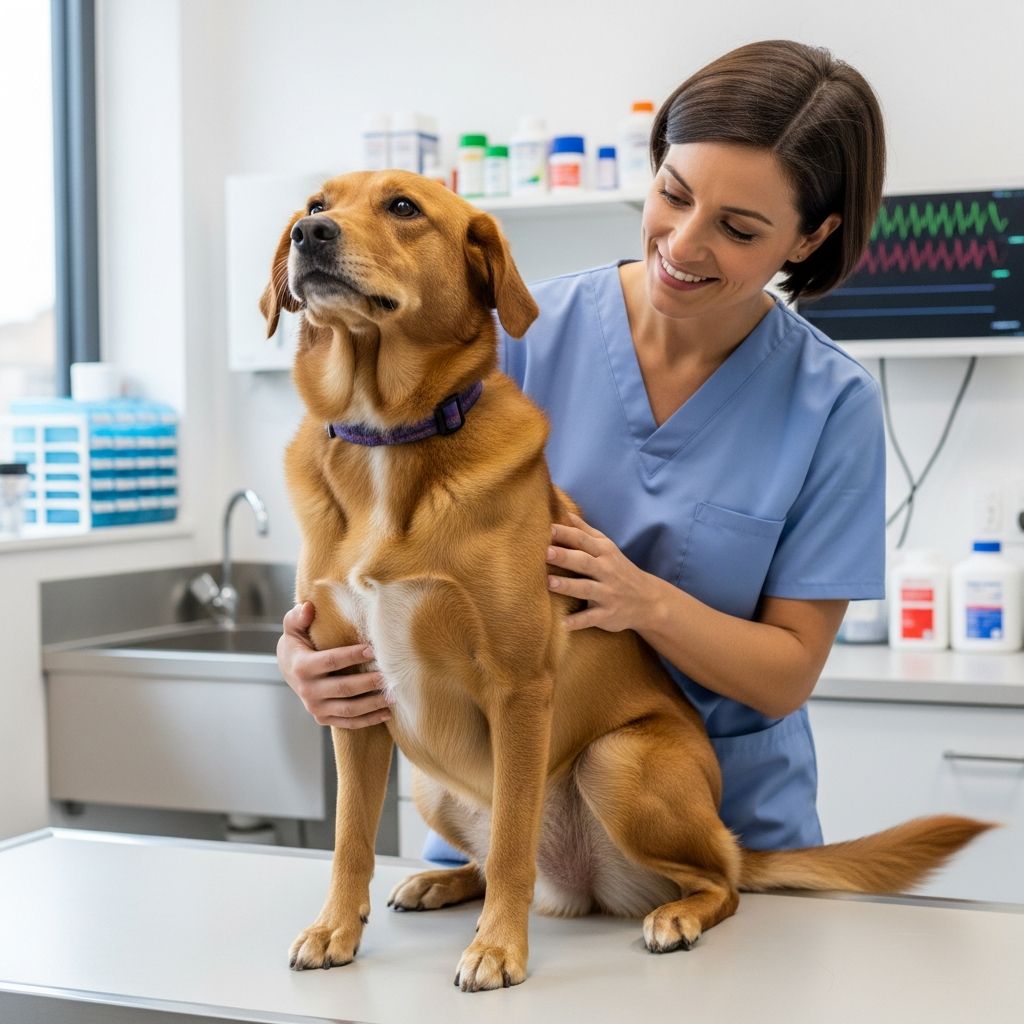
Regular veterinary care forms the cornerstone of a dog’s health, enabling early detection of issues and preventive measures that extend lifespan and improve quality of life. Dog owners play a vital role by understanding visit frequency, preparation techniques, and home care practices. This guide draws on expert recommendations to help you navigate vet appointments effectively.
Determining the Right Checkup Schedule
Dogs require tailored veterinary visits based on age, health status, and lifestyle. Puppies demand frequent attention during their rapid growth phase, while adults maintain annual routines, and seniors benefit from more frequent monitoring.
- Puppies (up to 4 months): Schedule exams every 3-4 weeks to track development, administer core vaccines, and address deworming needs.
- Adult dogs (1-7 years): Annual comprehensive checkups suffice for healthy pets, including physical exams, bloodwork, and fecal tests.
- Senior dogs (7+ years): Biannual or more frequent visits detect age-related conditions like arthritis or organ decline early through diagnostics such as x-rays or blood panels.
Facilities handling multiple dogs mandate annual head-to-tail exams to ensure overall wellbeing, a standard adaptable for household pets. Consult your vet to customize based on breed predispositions, such as heart issues in larger breeds.
Essential Components of a Routine Exam
A thorough vet visit encompasses physical assessments and preventive protocols. Expect evaluations of weight, heart, lungs, eyes, ears, teeth, skin, coat, nails, and joints.
| Exam Area | Key Checks | Frequency |
|---|---|---|
| Heart & Lungs | Auscultation for murmurs or irregularities | Every visit |
| Dental Health | Tartar buildup, gum disease, fractures | Annual cleaning if needed |
| Parasite Screen | Fecal for worms, heartworm tests | Annually or per prevention plan |
| Vaccinations | Core (rabies, distemper) and lifestyle boosters | As scheduled |
Bloodwork becomes crucial for seniors to monitor kidney function, liver enzymes, and glucose levels. Nail trims, ear cleanings, and coat inspections prevent secondary issues like infections.
Administering Medications at Home
Many conditions require ongoing treatment post-visit. Mastering administration techniques ensures compliance and efficacy.
- Oral Pills: Conceal in soft foods like peanut butter or cheese; for resistant dogs, use pill pockets or gently secure the muzzle until swallowed.
- Liquids: Employ a syringe to deposit at the cheek pouch, tilting the head upward slightly to facilitate swallowing without aspiration.
- Topicals: Apply to high-neck areas inaccessible to licking; follow with a cone if needed for eye/ear drops.
Always adhere to label dosages and complete courses to avoid resistance. Store meds properly and track expiration dates.
Reducing Stress During Vet Trips
Vet visits trigger anxiety in many dogs due to unfamiliar smells, noises, and handling. Proactive steps create positive associations and calmer experiences.
Choose fear-free certified clinics employing low-stress handling, floor exams over tables, and calming music. Start desensitization early: pair car rides with treats, practice paw/ear handling at home incrementally. Never force interactions; allow opt-outs to build trust.
On appointment day, arrive early with favorite soft treats or lick mats smeared with spreads for distraction. If stress persists, discuss pre-visit anti-anxiety meds administered hours prior.
Preventive Home Care Between Visits
Daily routines complement professional care, promoting hygiene and early issue spotting.
Grooming Essentials
Brush coats 2-3 times weekly to distribute oils, remove debris, and prevent mats. Bathe sparingly with dog-specific products, rinsing thoroughly to avoid irritation. Clean ears weekly with vet-approved solutions; trim nails monthly to prevent overgrowth.
Dental Maintenance
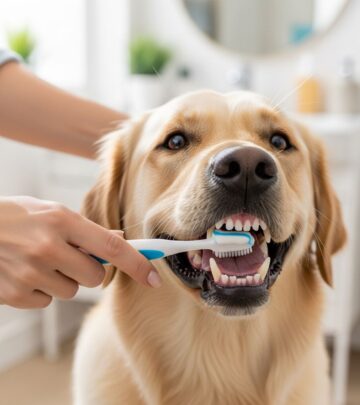
Brush teeth 3+ times weekly using enzymatic toothpaste; supplement with dental chews. Annual professional cleanings under anesthesia remove subgingival plaque.
Parasite and Nutrition Protocols
Maintain year-round preventives for fleas, ticks, heartworm, and intestinal worms. Feed age-appropriate, balanced diets; ensure constant fresh water access. Daily exercise—30 minutes to 2 hours—controls weight and boosts mental health.
Building a Partnership with Your Vet
Select a veterinarian aligning with your philosophy, inquiring about low-stress protocols and 24/7 emergency access. Keep detailed records of vaccines, meds, and symptoms to streamline visits. Microchipping aids lost pet recovery.
Communicate openly about behavioral concerns or diet changes for holistic advice.
FAQs on Dog Vet Care
Q: How often do healthy adult dogs need vet checkups?
A: Annually for full exams and wellness screening.
Q: What if my dog hates the vet?
A: Use desensitization, treats, and consider anxiety aids or behaviorists.
Q: Are dental cleanings necessary?
A: Yes, annually under anesthesia for thorough care beyond home brushing.
Q: How to give pills to a picky dog?
A: Hide in treats or use gentle restraint techniques.
Q: What’s included in puppy visits?
A: Vaccines, deworming, growth checks every 3-4 weeks until 16 weeks.
Long-Term Health Strategies
Beyond basics, monitor for breed-specific risks: obesity in labs, hip dysplasia in shepherds. Spay/neuter discussions optimize health. Wellness exams every 6 months for at-risk pets catch issues proactively.
Integrate mental stimulation via training and play to prevent boredom-related behaviors. Track body condition scores quarterly.
References
- Routine Health Care of Dogs — Merck Veterinary Manual. 2023. https://www.merckvetmanual.com/dog-owners/routine-care-of-dogs/routine-health-care-of-dogs
- The New Licensing Rule and Veterinary Care for Dogs — USDA APHIS. 2024. https://www.aphis.usda.gov/animal-welfare/attending-veterinarians/veterinary-care-new-rule
- How To Take Care of Dogs: A Pet Parent Checklist — PetMD. 2024. https://www.petmd.com/dog/general-health/how-to-take-care-of-dogs-pet-parent-checklist
- What are the best practices for pet owners to ensure their pets stay healthy? — Tier1Vet. 2023. https://tier1vet.com/what-are-the-best-practices-for-pet-owners-to-ensure-their-pets-stay-healthy/
- How to make veterinary visits less stressful for dogs — Cornell University College of Veterinary Medicine. 2024. https://www.vet.cornell.edu/departments-centers-and-institutes/riney-canine-health-center/canine-health-topics/how-make-veterinary-visits-less-stressful-dogs
- General Dog Care — ASPCA. 2024. https://www.aspca.org/pet-care/dog-care/general-dog-care
- A Few Important Suggestions About Caring for Your Pet — PetVet Care Centers. 2020-03-29. https://www.petvetcarecenters.com/site/blog/2020/03/29/a-few-important-suggestions-about-caring-for-your-pet
Similar Articles








Read full bio of Sneha Tete