

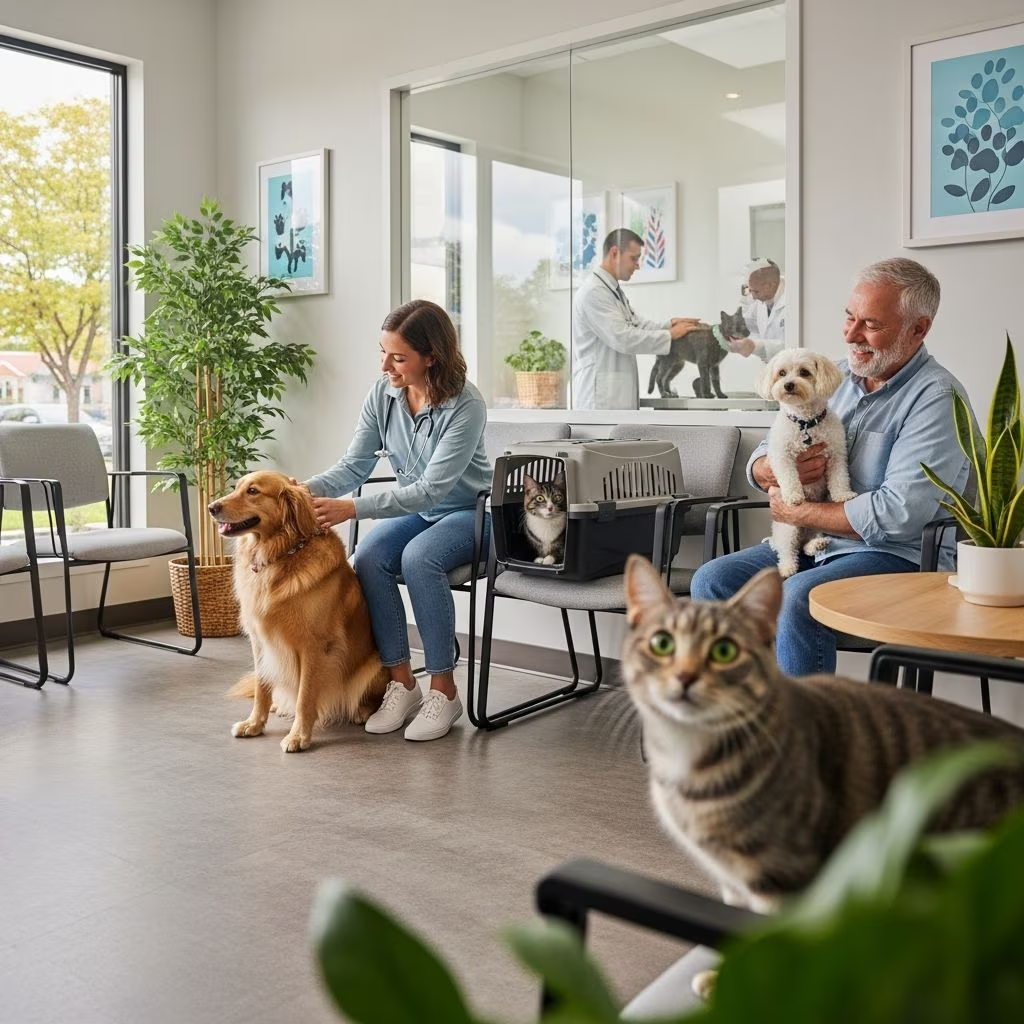
Regular veterinary appointments are vital for maintaining your pet’s health, yet they often trigger anxiety for both animals and owners. Proper preparation transforms these visits into positive experiences, fostering trust in healthcare providers and encouraging timely care. This guide outlines practical strategies drawn from veterinary best practices to ensure smooth, effective appointments.
Selecting an Ideal Veterinary Practice
Finding the right clinic sets the foundation for successful visits. Research options by reviewing online feedback from fellow pet owners and seeking referrals from trusted contacts. Prioritize facilities with modern equipment, compassionate staff, and a focus on low-stress handling techniques. A preliminary tour allows you to assess cleanliness, wait times, and the overall atmosphere, helping your pet feel more at ease upon return.
Consider clinics offering fear-free certifications or specialized services like feline-only exam rooms, which cater to species-specific needs. Distance matters too—opt for a location that’s accessible without excessive travel time, minimizing pre-visit stress.
Strategic Scheduling for Minimal Disruption
Timing influences the entire experience. Book during off-peak hours, such as early mornings, late afternoons on weekdays, or midweek slots, when clinics see fewer patients. This reduces wait times in crowded lobbies, a common anxiety trigger for pets sensitive to unfamiliar animals or noises.
Align appointments with your pet’s daily routine. For instance, schedule around mealtimes to avoid hunger-induced irritability, but withhold food if fasting is required for tests. Confirm clinic policies on arrival windows to prevent rushed entries.
Compiling Essential Health Documentation
Organize records in advance for efficiency. Compile vaccination histories, prior medical reports, current medication lists (including dosages and frequencies), and notes on supplements. Digital access via pet health apps or emailed transfers from previous providers streamlines this process.
Prepare a detailed symptom log: recent changes in appetite, energy levels, elimination habits, or coat condition. Jot down behavioral shifts, like increased vocalization or hiding, which could signal underlying issues. Many clinics provide online new-patient forms—complete these days ahead to expedite check-in.
| Document Type | Why It Matters | Preparation Tip |
|---|---|---|
| Vaccination Records | Prevents redundant shots | Scan and email ahead |
| Medication List | Avoids interactions | Include exact doses |
| Symptom Journal | Highlights concerns | Use phone notes app |
| Prior Vet Summaries | Builds full history | Request official transfers |
Carrier and Leash Conditioning Essentials
For cats and small dogs, carriers are non-negotiable, yet often dreaded. Introduce the carrier weeks early by placing it in a cozy, accessible spot with soft bedding, toys, and treats inside. Feed meals nearby, gradually transitioning portions into the carrier to build positive associations.
- Leave doors open for voluntary entry.
- Sprinkle catnip or smear peanut butter for allure.
- Practice short closures with praise.
Larger dogs benefit from leash proficiency. Daily walks reinforce loose-leash walking, reducing pulling during transport. Ensure collars or harnesses fit snugly without chafing.
Desensitization Through Handling Practice
Vets routinely examine sensitive areas—ears, paws, mouth, tail, and belly. Mimic these touches at home to normalize them. Start with gentle strokes, rewarding tolerance with high-value treats like soft cheese or chicken bits.
Progress to longer sessions: lift paws, open mouths briefly, and palpate abdomens. Involve family members for varied handling, simulating diverse clinic staff. For puppies or kittens, begin young; for adults, patience yields results over days or weeks.
Mock exams on a raised surface prepare pets for exam tables. Combine with verbal cues like “good checkup” to link handling with positivity.
Travel Techniques to Ease Anxiety
Car rides amplify jitters for many pets. Acclimate via short, rewarding drives to parks or friends’ homes, avoiding direct vet routes initially. Secure carriers on flat seats with seatbelts; never loose in vehicles.
Minimize motion sickness with steady driving, avoiding sharp turns. Low-volume classical music soothes, as research indicates pets respond favorably to its rhythms. Cover carriers partially for security, and pause for bathroom breaks on longer trips.
Packing a Comfort and Distraction Kit
A well-stocked bag enhances calm. Include:
- Favorite blanket or toy for scent familiarity.
- High-value treats or lick mats for distractions.
- Portable water bowl and collapsible dish.
- Cleaning wipes for accidents.
- Thundershirt or calming pheromone spray if vet-recommended.
Tailor to your pet: puzzle toys for thinkers, chews for chewers. These items bridge home comfort to the clinic environment.
Arrival and Lobby Protocols
Arrive 10-15 minutes early for paperwork without pressure. Request quiet waiting areas or car-side check-ins if offered. Upon entry, inform staff of triggers like loud noises or other animals for proactive accommodations.
Stay composed—pets mirror owner tension. Use soothing tones, offer treats freely, and avoid restraining harshly, which escalates fear.
During the Examination: Collaboration Tips
Observe actively but let professionals lead. Voice concerns clearly, referencing your notes. Positive reinforcement shines here: praise calm behavior lavishly.
Ask about preventive care schedules, dental health, nutrition tweaks, or behavior training. For multi-pet households, discuss vaccination syncing.
Post-Visit Care and Follow-Up
Debrief immediately: note prescriptions, dietary changes, or recheck dates. Administer meds promptly and monitor for reactions. Reward the experience with playtime or treats at home to reinforce positivity.
Schedule next visits promptly. Track progress in your journal for continuity.
Frequently Asked Questions
What if my pet hates the carrier?
Gradual exposure with rewards is key. Consult your vet for anti-anxiety aids if needed.
How early should I start preparation for a first visit?
Ideally 2-4 weeks, focusing on daily short sessions.
Can I bring multiple pets to one appointment?
Check clinic policy; separate visits often reduce stress.
What music helps pets in the car?
Classical or reggae; test preferences at home.
Should I fast my pet before routine checkups?
No, unless specified for bloodwork.
Advanced Strategies for Challenging Pets
For severe anxiety, explore vet-prescribed sedatives or CBD options (vet-approved only). Clinics with video calls for pre-visit desensitization or home services suit extreme cases. Train “vet-ready” cues pairing with jackpots of rewards.
Long-term, integrate vet playdates: brief, treat-filled drop-ins sans exams build goodwill.
Preparation empowers proactive ownership, catching issues early and strengthening pet-clinician bonds. Implement these steps for vet visits that prioritize welfare and joy.
References
- Preparing Your Pet For Their First Vet Visit — Mills River Veterinary Clinic. 2023-05-15. https://millsriver.vet/blog/preparing-your-pet-for-their-first-vet-visit/
- Ways to make veterinary visits better for everyone — American Veterinary Medical Association (AVMA). 2024-01-10. https://www.avma.org/resources/pet-owners/yourvet/10-things-you-can-do-make-veterinary-visits-better-everyone
- Preparing your pet for a successful veterinary visit — American Animal Hospital Association (AAHA). 2023-11-20. https://www.aaha.org/resources/preparing-your-pet-for-a-successful-veterinary-visit/
- Preparing for Vet Visit — Small Door Veterinary. 2024-03-05. https://www.smalldoorvet.com/learning-center/medical/preparing-for-vet-visit
- How to Prepare for Your First Vet Visit — Animal Care Center of Ooltewah. 2023-08-12. https://www.myooltewahvet.com/how-to-prepare-for-your-first-vet-visit



