

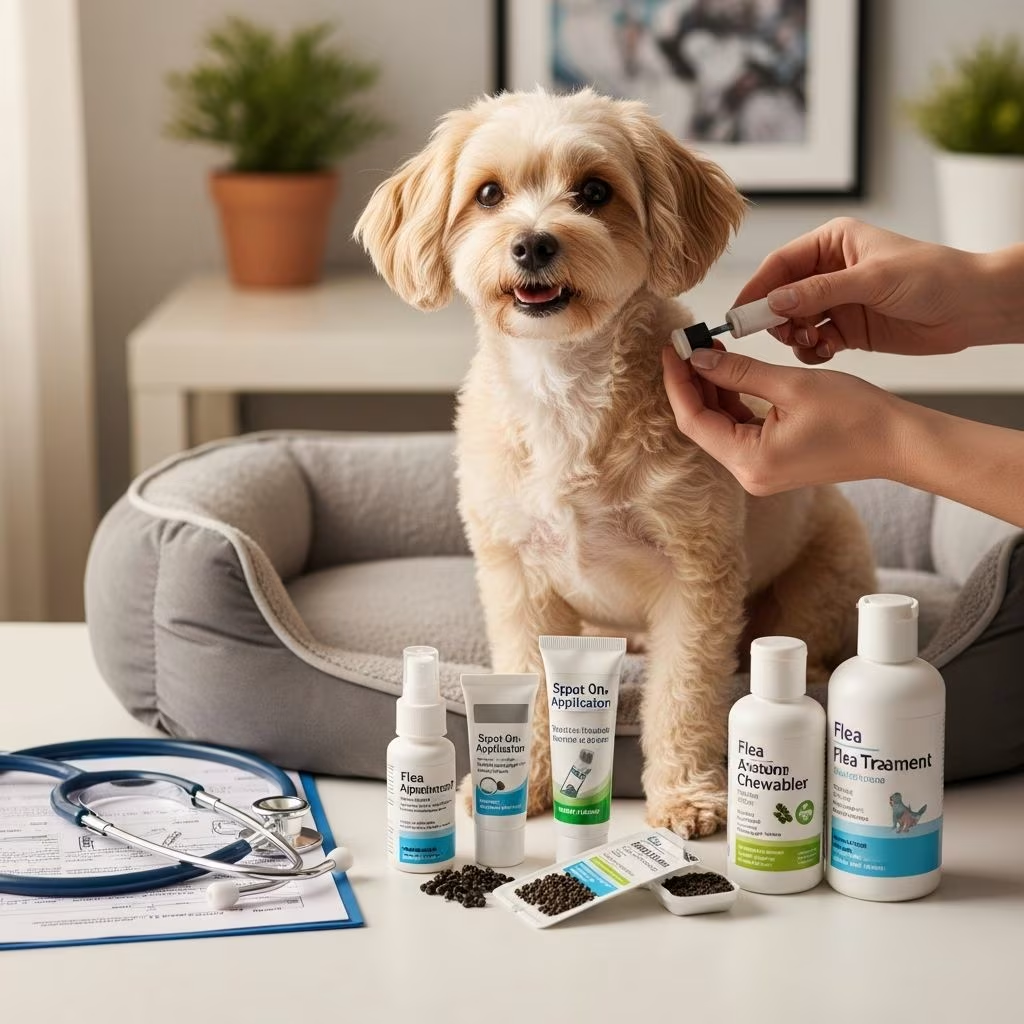
Flea and tick preventatives are essential for protecting dogs and cats from uncomfortable infestations and serious diseases. These treatments come in three main forms: oral medications, collars, and topical or spot-on applications, each tailored to different pet needs and lifestyles.
Types of flea treatments for dogs and cats
Prevention is far superior to treating an active flea infestation, as fleas can cause itchy skin, allergic reactions, and transmit diseases like Lyme disease, anaplasmosis, ehrlichiosis, babesiosis, Mycoplasma infections, and tapeworms. Year-round prevention is crucial, even in winter, since fleas can survive indoors or be carried by wildlife.
The best flea treatment depends on your pet’s age, weight, environment, and multi-pet household dynamics. Always consult your veterinarian to select the safest option, as some products are toxic across species, like certain dog treatments for cats.
For Dogs
- K9 Advantix II (imidacloprid, permethrin): A monthly topical treatment. Safe for: Dogs and puppies seven weeks and older weighing at least four pounds. Protects against: Fleas, ticks, mosquitoes, biting flies, and lice. You should know: Toxic to cats, so avoid in multi-pet homes.
- Advantage II (imidacloprid, pyriproxyfen): Monthly topical flea control. Safe for: Dogs and puppies seven weeks old weighing at least three pounds. Protects against: Fleas (eggs, larvae, adults) and chewing lice. You should know: Over-the-counter, no tick protection.
- Frontline Plus (fipronil, (s)-methoprene): Monthly over-the-counter topical. Safe for: Dogs and puppies nine weeks old weighing at least five pounds. Protects against: Adult fleas, larvae, eggs, ticks, and chewing lice. You should know: Apply to dry skin; keep dry for 24 hours post-application.
- Capstar (nitenpyram): Fast-acting oral tablet. Safe for: Dogs and puppies four weeks old weighing at least two pounds. Protects against: Adult fleas on the pet. You should know: Kills existing fleas in 30 minutes but not preventative; ideal for initial infestation control.
- Comfortis (spinosad): Monthly oral chewable. Safe for: Dogs 14 weeks old weighing at least five pounds. Protects against: Adult fleas. You should know: Requires vet prescription.
- Seresto (imidacloprid, flumethrin): Eight-month collar. Provides long-lasting, hands-off protection. Suitable for dogs; consult vet for fit.
For Cats
- Capstar (nitenpyram): Oral tablet for rapid relief. Safe for: Cats and kittens four weeks old weighing over two pounds. Protects against: Adult fleas. You should know: Not preventative; use for active infestations.
- Cheristin (spinetoram): Monthly topical. Safe for: Cats and kittens eight weeks old weighing at least 1.8 pounds. Protects against: Adult fleas (up to six weeks efficacy). You should know: Over-the-counter; monthly application recommended.
- Comfortis (spinosad): Monthly chewable. Safe for: Cats 14 weeks old weighing at least 4.1 pounds. Protects against: Adult fleas. You should know: Prescription required; safe for multi-pet homes with dogs.
- Seresto (imidacloprid, flumethrin): Eight-month collar for cats, offering extended protection without monthly dosing.
How to get rid of fleas in the house
Treating your pet alone isn’t enough—95% of fleas live in the environment as eggs, larvae, and pupae. A comprehensive approach includes pet treatment, home cleaning, and environmental control to break the life cycle.
- Vacuum thoroughly: Daily vacuum carpets, rugs, furniture, baseboards, and pet bedding to remove eggs and larvae. Dispose of vacuum bags immediately.
- Wash fabrics: Launder pet bedding, throws, and toys in hot water weekly.
- Use over-the-counter sprays: Select pet-safe sprays with insect growth regulators (IGRs) that disrupt flea reproduction. Check labels for pet safety.
For severe cases, professional pest control may be needed, but prioritize pet-safe methods.
Most effective flea treatments for the home
After initial cleaning, apply targeted treatments:
| Treatment Type | Description | Pet Safety Notes |
|---|---|---|
| IGR Sprays | Mimic hormones to stop flea development | Most are pet-friendly; verify label |
| Flea Powders/Dusts | Apply to cracks and carpets | Keep pets away until dry |
| Steam Cleaning | High-heat kills all stages | Completely safe |
Combine methods for best results, repeating every 7-10 days for 3-4 weeks.
How to get rid of fleas in the yard
Fleas thrive in shaded, moist outdoor areas. Treat yards to prevent re-infestation, as recommended by veterinarians.
- Mow and clear debris: Keep grass short and remove leaf litter.
- Beneficial nematodes: Microscopic worms that parasitize fleas naturally. Pet-safe and eco-friendly; apply via spray.
- Yard sprays: Use IGR-based products safe for pets after drying.
- Diatomaceous earth: Food-grade powder dehydrates fleas; reapply after rain.
Should You Use Flea and Tick Prevention in the Winter?
Yes, year-round prevention is essential. Fleas survive indoors year-round if hosts are available and can be carried by wildlife. Skipping winter protection risks spring infestations.
Signs of fleas include excessive itching, skin chewing, visible fleas near skin, or human bites. Treat all household pets simultaneously and consult a vet promptly.
Treatment Protocol for Active Infestations
For cats and dogs with fleas:
- Confirm infestation: Use a flea comb; look for flea dirt (black specks turning red in water).
- Bathe pet: Use flea shampoo gently, followed by preventative.
- Comb daily: Remove fleas and eggs mechanically.
- Treat all pets: Even asymptomatic ones.
- Environmental clean: Vacuum, wash, spray as above.
Monitor for 4-6 weeks; studies show quality of life improves post-treatment.
Frequently Asked Questions (FAQs)
Q: Are flea treatments safe for puppies and kittens?
A: Yes, many are safe from 4-14 weeks depending on weight; always check labels and vet advice.
Q: Can I use dog flea products on cats?
A: No, many are toxic to cats (e.g., K9 Advantix). Use cat-specific products.
Q: How long does it take to eliminate a flea infestation?
A: 3-4 weeks with consistent pet and home treatment to break the life cycle.
Q: Do I need flea prevention in winter?
A: Absolutely, for year-round protection against indoor and carried fleas.
Q: What’s the best hands-off flea prevention?
A: Seresto collars provide 8 months of protection for dogs and cats.
Q: How do beneficial nematodes work in the yard?
A: They parasitize and kill flea larvae naturally, without chemicals.
References
- Vet-Recommended Flea-and-Tick Treatments—What Your Pet Needs — Kinship. 2023. https://www.kinship.com/pet-health/flea-treatments
- Flea Treatments: How to Treat Your Home and Yard for Fleas — Kinship. 2023. https://www.kinship.com/pet-lifestyle/house-flea-treatment
- Should You Use Flea and Tick Prevention for Your Pet in the Winter? — Kinship. 2023. https://www.kinship.com/pet-health/flea-tick-prevention-in-winter
- Reducing Poisonings from Flea & Tick Control Treatments — CDC (via Kinship reference). 2022-10-15. https://www.cdc.gov/mmwr/volumes/71/wr/mm7142a3.htm
- Response of pet owners to Whistle FIT® activity monitor — Frontiers in Veterinary Science. 2023-02-20. https://www.frontiersin.org/journals/veterinary-science/articles/10.3389/fvets.2023.1123266/full



