

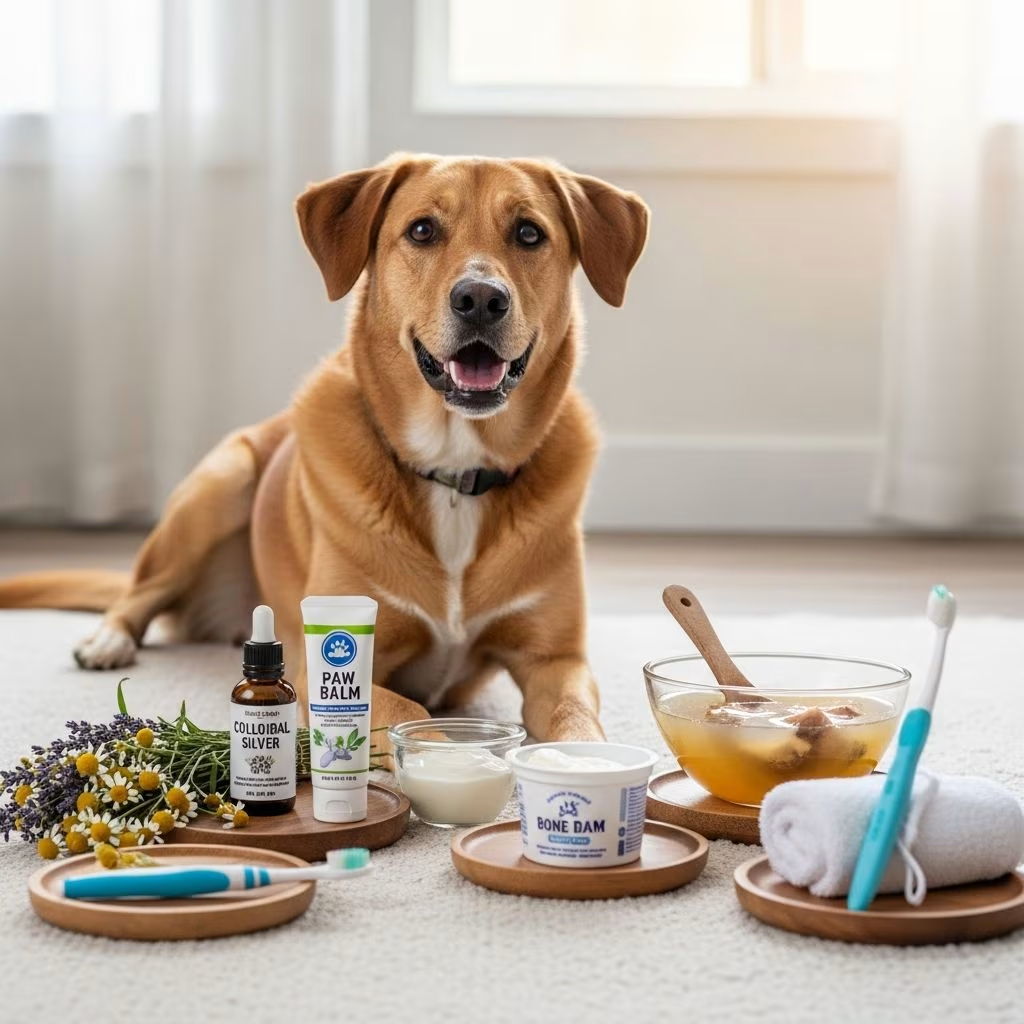
Many mild health issues in dogs can be managed with safe, vet-approved home remedies that provide relief without always requiring a trip to the veterinary clinic. However, it’s crucial to understand which conditions can be treated at home and which require professional medical attention. Before starting any treatment regimen, always consult your veterinarian to ensure you’re taking the right approach for your dog’s specific health needs. Some symptoms, such as bloating, bloody stools, or ear mites, demand immediate veterinary evaluation and should never be treated solely with home remedies.
1. Digestive Upset and Diarrhea
One of the most common ailments affecting dogs is digestive upset, often accompanied by diarrhea. When your dog experiences mild digestive issues, switching to a temporary bland diet can work wonders. The most effective approach involves offering your dog plain, cooked chicken and white rice for several days while their digestive system recovers.
To enhance the healing process, consider adding probiotics and fiber supplements to your dog’s diet. Products like Propectalin or canned pumpkin puree can help support digestive health and firm up stools naturally. These additions work by promoting beneficial bacteria growth and adding bulk to stool, which helps normalize your dog’s digestive function.
Important consideration: If your dog’s diarrhea persists beyond a few days or if you notice blood in the stool, decreased appetite, or vomiting, contact your veterinarian immediately. These symptoms may indicate a more serious underlying condition requiring prescription medication or professional treatment.
2. Hot Spots
Hot spots are inflamed, infected patches of skin that develop when dogs lick and scratch excessively at a particular area. These lesions can appear suddenly and worsen rapidly if not managed properly. Most hot spots on dogs are caused by underlying conditions that trigger itchiness, excessive licking, or increased moisture on the skin.
To treat hot spots at home, begin by preventing further damage using a recovery cone or similar protective device. This prevents your dog from continuing to lick and scratch the affected area. Next, carefully shave the fur around the lesion using electric clippers—never use scissors, as they can cause injury. Removing the fur increases air exposure to the wound, which accelerates healing.
After clearing the area, clean the hot spot with a mild cleanser and consider applying a medicated wipe or mousse to decrease bacteria and yeast on the skin. These products actively reduce the microorganisms that exacerbate hot spots and promote faster recovery. Minor hot spots often heal within days with proper attention, but if the lesion isn’t resolving or appears to be worsening, veterinary care becomes necessary.
3. Itchy, Irritated, and Dry Skin
Dry, itchy, and irritated skin is a frequent complaint among dog owners, particularly during seasonal changes or in dogs with sensitive skin. Fortunately, this condition often responds well to over-the-counter treatment options available at most pet stores and online retailers.
When selecting a shampoo for your dog’s dry, itchy skin, look for oatmeal-based formulations that are fragrance-free. Oatmeal has naturally soothing properties that calm irritated skin without harsh chemical irritants. These gentle formulations help restore your dog’s skin barrier and provide immediate relief from itching and discomfort.
For more severe cases of itchy skin that don’t respond to basic oatmeal shampoos, your veterinarian may recommend an antiseptic shampoo or mousse containing ingredients like chlorhexidine. These medicated products target bacterial and fungal overgrowth that often accompanies severe skin irritation, providing more targeted treatment for persistent conditions.
4. Wounds and Minor Cuts
Dogs are naturally curious and active animals, making minor wounds and cuts an inevitable part of pet ownership. Fortunately, most small wounds can be effectively treated at home with proper cleaning and care. The key to successful wound treatment is preventing infection while allowing the wound to heal naturally.
Begin by cleaning the wound thoroughly with a pet-safe wound spray or antimicrobial wipes. These products remove debris and bacteria from the wound site without irritating your dog’s skin. Once the wound is clean and dry, apply a pet-safe wound ointment to protect it and promote healing. Medical-grade honey ointments are particularly effective due to their strong antibacterial properties, which actively prevent infection while supporting the healing process.
For inflammatory wounds such as hot spots, consider using an enzymatic cream containing hydrocortisone. This type of topical cream reduces both itching and inflammation, providing your dog with significant comfort relief. If your dog experiences bleeding from a minor cut or torn nail, styptic powder is an excellent at-home solution. This powder contains benzocaine, a topical anesthetic that stops bleeding while numbing the area and reducing pain.
5. Excessive Paw Licking
Excessive licking of the paws is a behavior that many dog owners notice, particularly when it leads to visible irritation, fur discoloration, or open sores. While occasional paw licking is normal grooming behavior, excessive licking typically indicates an underlying issue such as allergies or contact-related irritants that require attention.
One of the most effective home remedies for excessive paw licking involves Epsom salt soaks. Soak your dog’s affected feet in warm Epsom salt water for approximately 5 to 10 minutes at least once daily. These soaks work by washing away environmental allergens and contaminants that accumulate on your dog’s paws, while simultaneously soothing irritated skin and supporting the natural healing process.
In addition to Epsom salt soaks, medicated wipes designed for paws can help clean the area and provide relief from itching. These wipes remove irritants while delivering soothing ingredients that calm inflamed skin. If excessive paw licking persists despite home treatment, consult your veterinarian to identify and address the underlying cause, which may be allergies requiring specialized treatment.
6. Cold Therapy for Pain and Inflammation
Cold therapy is a well-established, evidence-based approach to managing pain and inflammation in dogs, particularly following injuries or during acute inflammatory episodes. Unlike heat therapy, which is generally not recommended for dogs, cold therapy works by constricting blood vessels and reducing swelling at the injury site.
To apply cold therapy safely, place ice packs near the site of injury or discomfort for predetermined intervals. The key to success with cold therapy is always placing a barrier such as a cloth or towel between your dog’s skin and the cold pack. This barrier protects your dog’s skin from frostbite and excessive cold exposure, since dogs cannot communicate when a cold pack becomes uncomfortably cold. Proper application of cold therapy can significantly increase your dog’s comfort level by reducing inflammation and providing pain relief.
7. Hydrotherapy and Water-Based Exercise
For dogs experiencing chronic pain or difficulty with regular exercise due to painful conditions, hydrotherapy represents an excellent natural treatment option. Hydrotherapy can be incorporated into your dog’s rehabilitation program and may involve using a pool or specialized underwater treadmill at a veterinary facility.
The beauty of hydrotherapy lies in its non-weight-bearing nature, which makes it ideal for dogs with joint pain, arthritis, or other conditions that make traditional walking uncomfortable. Water provides natural buoyancy that supports your dog’s body weight while allowing them to move and exercise. This unique combination helps improve range of motion, strengthen muscles, and increase overall endurance without placing stress on painful joints. Your veterinarian can recommend appropriate hydrotherapy options and create a customized program based on your dog’s specific condition.
8. Natural Herbs and Supplements
Throughout history, natural herbs have been used to support canine health and address various ailments. Several herbs have been studied and shown to provide beneficial effects when used appropriately for dogs. However, it’s essential to consult your veterinarian before introducing any herbal products to your dog’s routine, as some herbs can interact with medications or pose safety risks.
Ginger: This ancient herbal remedy is excellent for settling an upset doggy stomach. Ginger can be prepared as a tea or tincture and helps calm digestive disturbances naturally. Its warming properties support digestive function and reduce nausea.
Milk Thistle: If your dog has been on medication that may affect liver function, milk thistle offers valuable support. This herb protects the liver against damage and improves overall liver function, making it an important supplement for dogs undergoing medical treatment.
Aloe Vera: When applied topically, aloe vera gel can help treat minor burns, scrapes, and skin irritations due to its cooling and antibacterial properties. The herb has been valued for its medicinal benefits since ancient times.
Relaxing Herbs: Valerian, chamomile, and California poppy work together as natural relaxants for dogs. These herbs help calm hyperactive dogs while providing additional health benefits such as lowering blood pressure and reducing parasitic activity.
Always discuss herb selections with your veterinarian to ensure safety and appropriate dosing for your individual dog.
When to Seek Immediate Veterinary Care
While home remedies can effectively address many mild health issues, certain symptoms demand immediate professional attention. Never attempt to treat the following conditions at home:
- Bloating or abdominal distension (may indicate gastric dilatation-volvulus, a life-threatening emergency)
- Bloody stools or blood in vomit
- Ear mites or severe ear infections
- Persistent vomiting or inability to keep food down
- Severe lethargy or loss of consciousness
- Difficulty breathing
- Seizures
- Severe wounds requiring stitches
Key Takeaways for Pet Parents
Managing your dog’s health involves understanding which conditions can be safely treated at home and which require professional veterinary intervention. Many mild health issues respond beautifully to safe, vet-approved home remedies, saving you time and money while keeping your dog comfortable. However, the foundation of all home treatment is consultation with your veterinarian before beginning any remedy.
Remember that home remedies serve as complementary care options for minor ailments, not replacements for professional veterinary medicine. When symptoms persist or worsen despite home treatment, contact your veterinarian promptly. By combining responsible home care with professional guidance, you’ll be equipped to provide comprehensive, compassionate healthcare for your beloved dog.
Frequently Asked Questions
Q: Can all dogs safely use the same home remedies?
A: No, home remedies may affect dogs differently based on age, health status, medications, and individual sensitivities. Always consult your veterinarian before starting any treatment to ensure it’s appropriate for your specific dog’s health profile.
Q: How long should I try a home remedy before contacting my vet?
A: For mild digestive issues like diarrhea, give home treatment 2-3 days. For skin conditions, allow 5-7 days. If symptoms don’t improve or worsen during this period, contact your veterinarian immediately.
Q: Are natural remedies always safer than prescription medications?
A: Not necessarily. While natural remedies can be effective for mild conditions, they’re not inherently safer than medications. Some herbs can interact with medications or cause side effects. Your veterinarian can help determine the safest option for your dog.
Q: Can I use human remedies on my dog?
A: No, many human remedies are toxic to dogs. Always use products specifically formulated for pets or as directed by your veterinarian. Some common human products like certain essential oils can be dangerous for dogs.
Q: How do I know if my dog’s condition requires professional help?
A: Seek professional help if symptoms persist beyond recommended timeframes, worsen despite treatment, involve blood, affect your dog’s appetite or energy level, or if you notice any concerning behavioral changes.
References
- Natural Pain Relief for Dogs — PetMD. 2024. https://www.petmd.com/dog/general-health/natural-pain-relief-dogs
- Herbal Remedies for Dogs — PetMD. 2024. https://www.petmd.com/dog/wellness/evr_dg_herbs
- Hot Spots on Dogs: Causes, Treatment, and Home Remedies — PetMD. 2024. https://www.petmd.com/dog/general-health/hot-spots-dogs
- Dog Wound Care: How to Clean and Treat Dog Wounds at Home — PetMD. 2024. https://www.petmd.com/dog/general-health/dog-wound-care-how-to-clean-treat-dog-wounds-at-home
- Holistic Treatments for Dogs with Allergies: Types and When To Use — PetMD. 2024. https://www.petmd.com/dog/general-health/holistic-treatments-for-dogs-with-allergies
- 4 Botanicals That Are Natural Anti-Inflammatories for Dogs — PetMD. 2024. https://www.petmd.com/dog/wellness/4-herbs-joint-pain-and-inflammation-pets



