

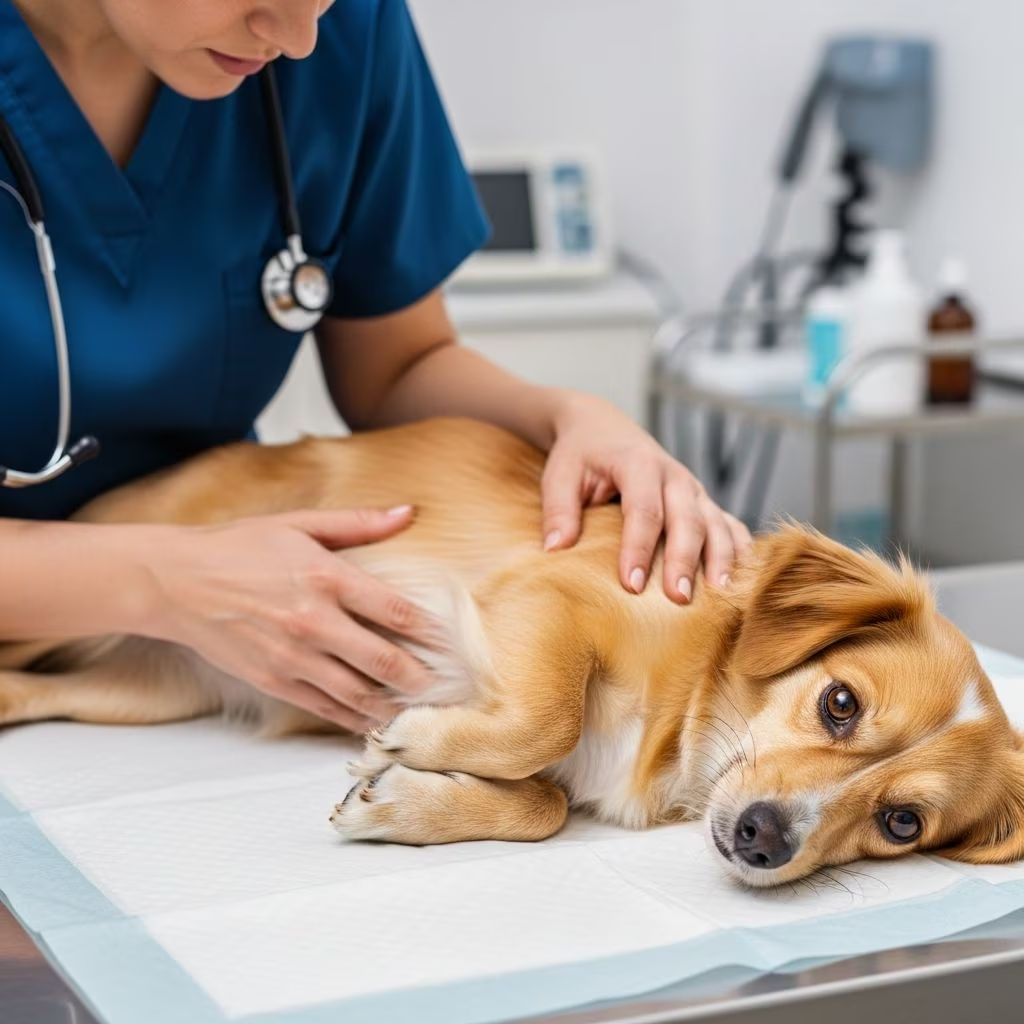
Diarrhoea in dogs is a common issue that can range from a mild, short-lived inconvenience to a sign of a serious underlying condition. As a dog owner, spotting the difference between harmless loose stools and something requiring immediate veterinary attention is crucial. This guide provides vet-approved strategies for managing your dog’s diarrhoea, including home remedies, over-the-counter options, prescription treatments, and prevention tips. Understanding the causes, symptoms, and appropriate responses can help your furry friend recover quickly and comfortably.
Understanding Diarrhoea in Dogs
Diarrhoea occurs when your dog’s stool becomes loose, watery, or more frequent than normal. It can be classified as acute (sudden onset, lasting less than 48 hours), chronic (persisting beyond that), or haemorrhagic (containing blood). Acute diarrhoea is the most common and often resolves with simple interventions, while chronic or bloody cases warrant professional evaluation.
Key characteristics include:
- Watery or soft stools passed more frequently
- Straining or urgency to defecate
- Possible mucus, blood, or foul odour
- Accompanying signs like lethargy, vomiting, or loss of appetite
In many cases, dogs with mild diarrhoea continue eating, drinking, and acting normally, allowing for home management. However, vigilance is essential to prevent dehydration, a major risk especially in puppies, seniors, or small breeds.
Common Causes of Dog Diarrhoea
Several factors can trigger diarrhoea in dogs. Identifying the cause helps tailor the treatment effectively.
- Dietary indiscretion: Eating garbage, table scraps, or sudden food changes disrupts gut balance.
- Stress: Travel, new environments, or household changes can lead to ‘stress colitis’.
- Parasites: Worms like roundworms, hookworms, or protozoa such as Giardia and Coccidia are frequent culprits, especially in puppies.
- Infections: Bacterial (e.g., Salmonella), viral (e.g., parvovirus), or fungal issues.
- Food allergies or intolerances: Reactions to ingredients like grains or proteins.
- Medications or toxins: Antibiotics or ingested poisons.
- Underlying diseases: Pancreatitis, inflammatory bowel disease, or tumours in chronic cases.
According to veterinary research, dietary therapy addresses many acute cases by stabilising the gut.
When to Worry About Dog Diarrhoea
Not all diarrhoea requires a vet visit, but certain red flags demand immediate action to prevent complications like dehydration or sepsis.
| Safe to Monitor at Home | Call the Vet Immediately |
|---|---|
| Mild, watery stools Acting normal, eating well Single episode or <24 hours | Bloody or black tarry stools Lethargy, vomiting, fever Diarrhoea >48 hours Dehydration signs (dry gums, sunken eyes) |
| Puppy, senior, or small breed with mild symptoms | Abdominal pain, bloating Recent toxin exposure or travel |
If your dog has diarrhoea but is acting fine, home care may suffice, but monitor closely. Puppies and small dogs dehydrate faster, so err on caution.
Home Remedies for Mild Dog Diarrhoea
For uncomplicated cases, start with conservative home treatments to rest the gut and restore balance. Always ensure access to fresh water.
1. Hydration First
Dehydration exacerbates diarrhoea. Offer fresh water constantly. For enhanced hydration, make rice water: boil 1 cup white rice in 4 cups water for 20-30 minutes, strain, and cool. The starchy water soothes the gut and provides electrolytes.
2. Brief Fasting
Withhold food for 12-24 hours (less for puppies/small dogs: 6-12 hours) to let the intestines settle. Never fast without water unless vomiting accompanies diarrhoea—contact your vet then. Recent studies question prolonged fasting, favouring early nutrition in some cases.
3. Bland Diet Transition
After fasting, introduce a bland diet for 2-3 days: boil skinless chicken breast or lean turkey/ground beef (no fat/seasoning) with white rice (1:2 protein-to-rice ratio). Feed small, frequent meals—e.g., 2-3 tbsp every 3-4 hours for small dogs, ½-1 cup for large.
- Alternative proteins: Cottage cheese (2% fat) for meat-free options.
- Pumpkin: Plain canned pumpkin (1-4 tbsp daily) adds fibre to firm stools.
- Gradual reintroduction: Mix bland food with regular kibble over 3-5 days.
Monitor: Improvement should occur within 24-48 hours. If not, seek vet care.
Over-the-Counter Treatments
OTC options can help but consult your vet first—doses vary by weight/breed, and some are unsafe (e.g., avoid Pepto-Bismol in cats but cautiously in dogs).
- Loperamide (Imodium): Slows gut motility. Vet-approved dose: 0.1mg/kg up to 3x/day. Avoid in bloody diarrhoea or certain breeds (Collies).
- Probiotics: FortiFlora or similar with 5+ billion CFUs restore gut flora. OTC versions work; prescription ones are stronger.
- Kaolin-pectin (Kaopectate): Coats the gut, absorbs toxins. Use cautiously post-2003 formula changes.
Prebiotics like inulin or pumpkin support probiotics.
Veterinary Treatments for Severe Diarrhoea
For persistent, bloody, or symptomatic cases, vets diagnose via fecal tests, bloodwork, or imaging.
- Prescription Probiotics: High-potency strains for targeted gut support.
- Antibiotics: Metronidazole or amoxicillin for bacterial infections, used sparingly to avoid resistance.
- Dewormers: For parasites like Giardia (fenbendazole) or worms.
- Fluid Therapy: IV or subcutaneous fluids correct dehydration/electrolytes, speeding recovery.
- Clay-Based Meds: Kaolin/pectin prescriptions reduce inflammation.
- Advanced: Anti-emetics, pain relief, or fecal microbiota transplant (FMT) for refractory cases.
In parvovirus, early enteral nutrition plus fluids improves outcomes.
Preventing Diarrhoea in Dogs
Proactive steps minimise recurrence:
- Consistent, high-quality diet; gradual changes.
- Regular deworming/flea prevention (every 3-6 months).
- Vaccinations against parvovirus, etc.
- Stress reduction: routines, exercise.
- Probiotic supplements during antibiotics or diet shifts.
- Annual fecal exams, especially for puppies/outdoor dogs.
Research supports dietary management and probiotics for prevention.
Frequently Asked Questions (FAQs)
Q: How long can I treat my dog’s diarrhoea at home?
A: 24-48 hours max if mild and improving. Beyond that, or with other symptoms, see a vet.
Q: Is rice good for dogs with diarrhoea?
A: Yes, plain boiled white rice is a bland diet staple, easy to digest and binding.
Q: Can I give my dog Imodium for diarrhoea?
A: Only under vet guidance—safe in some cases but risky for others.
Q: What if my puppy has diarrhoea?
A: Puppies dehydrate fast; contact vet promptly, especially if under 6 months.
Q: Does pumpkin help dog diarrhoea?
A: Yes, 1-4 tbsp plain canned pumpkin provides soluble fibre to firm stools.
Q: When is diarrhoea an emergency?
A: With blood, vomiting, lethargy, pain, or no improvement in 48 hours.
This comprehensive approach ensures most dogs recover swiftly. Always prioritise your vet’s advice for personalised care.
References
- Vet-Approved Diarrhea Treatments – Kinship — Kinship. 2023. https://www.kinship.com/dog-health/vet-advice-treating-your-dogs-diarrhea
- Acute Diarrhea in Dogs: Current Management and Potential Role of… — PMC (National Library of Medicine). 2020-08-19. https://pmc.ncbi.nlm.nih.gov/articles/PMC7465157/
- My Dog Has Diarrhea but Is Acting Fine: What to Know – Kinship — Kinship. 2023. https://www.kinship.com/dog-health/dog-diarrhea-acting-fine
- What Should You Feed a Dog with Diarrhea – Kinship — Kinship. 2023. https://www.kinship.com/dog-health/diarrhea-diet
- 8 Home Remedies for Your Pet’s Diarrhea – VCA Animal Hospitals — VCA Animal Hospitals. 2023. https://vcahospitals.com/shop/articles/8-home-remedies-for-diarrhea-and-2-that-are-dangerous-for-your-pet



