

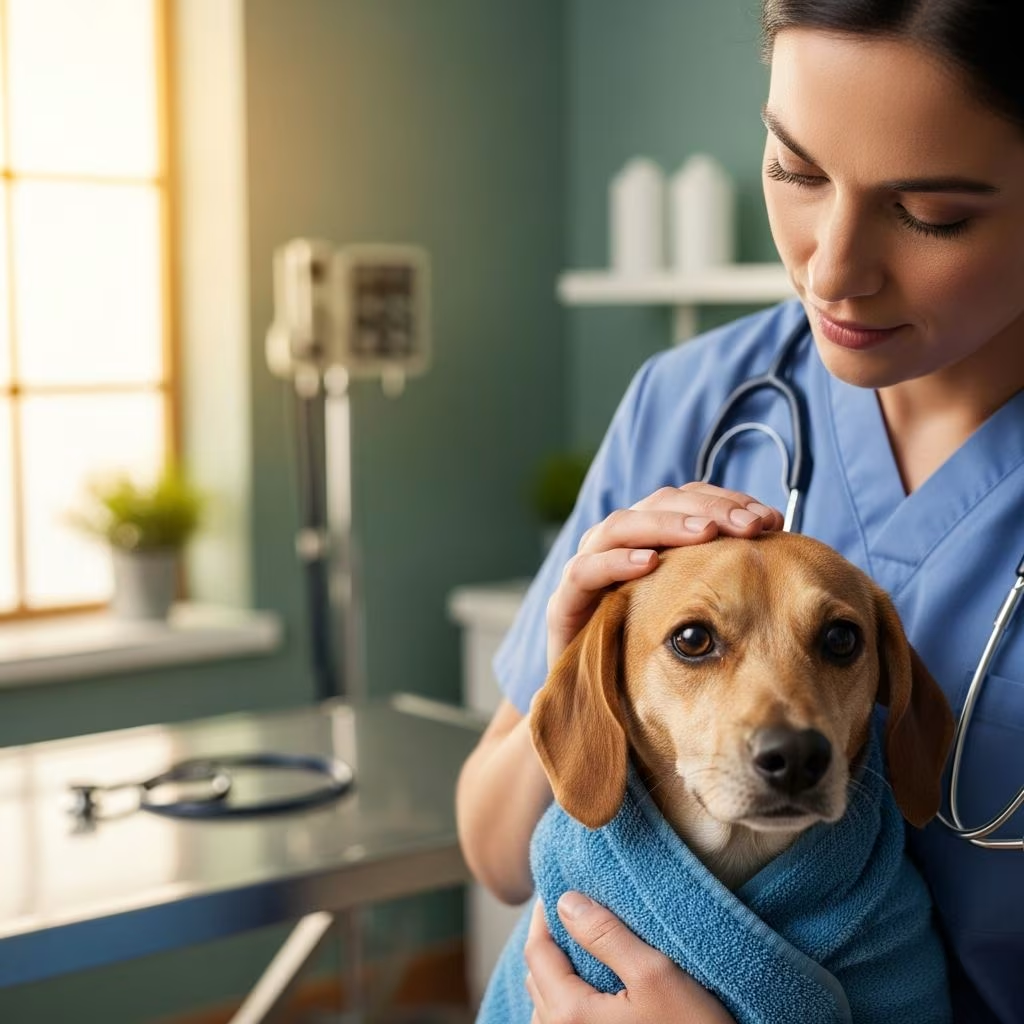
Diarrhea in dogs is a common issue that can range from a mild, short-lived inconvenience to a sign of a serious health problem. As a dog parent, seeing your furry friend suffer through loose stools, frequent bathroom trips, or worse can be distressing. The good news is that most cases of dog diarrhea resolve with simple at-home care, but knowing when to intervene with veterinary help is crucial for your dog’s well-being.
This comprehensive guide, informed by veterinary expertise, covers everything from recognizing symptoms to effective treatments. Whether your dog has acute diarrhea after a dietary indiscretion or chronic issues pointing to underlying conditions, you’ll find actionable advice here. Always prioritize your dog’s hydration and monitor for worsening signs like lethargy, vomiting, or blood in the stool.
Understanding Dog Diarrhea: Types and Causes
Dog diarrhea isn’t just one condition—it’s a symptom with various forms. **Acute diarrhea** strikes suddenly and lasts less than 48 hours, often due to eating something disagreeable like table scraps or garbage. **Chronic diarrhea** persists beyond two weeks and may signal allergies, infections, or organ issues. **Hemorrhagic diarrhea** involves bright red or black, tarry stools, indicating bleeding in the gut, which demands immediate vet attention.
Common triggers include dietary changes, stress (like boarding or fireworks), parasites (worms, Giardia), bacterial infections, viral illnesses (parvovirus in puppies), toxins, or medications. Puppies and senior dogs are especially vulnerable due to immature or weakened immune systems. According to veterinary studies, dietary factors play a role in most acute cases, making bland diets a first-line approach.
Common Dog Diarrhea Treatment Options
Treatments for dog diarrhea vary by severity. For mild cases where your dog acts normal—eating, playing, and energetic—home remedies often suffice. Severe symptoms like dehydration (sunken eyes, dry gums, weakness) or bloody stools require professional intervention. Here’s a breakdown of standard options:
- Diet change: Switching to a bland, digestible diet helps rest the gut.
- Fasting: Brief food withholding (12-24 hours) allows the intestines to recover.
- Over-the-counter medication: Use cautiously, only with vet approval.
- Prescription medication: Tailored for infections, parasites, or inflammation.
Early action prevents complications like dehydration, which can escalate quickly in small breeds or puppies.
Over-the-Counter Treatments for Diarrhea in Dogs
OTC meds tempt for quick relief, but they’re not one-size-fits-all for dogs. Human products can cause toxicity due to differing metabolisms. Always consult your vet first to avoid adverse effects like constipation or toxicity.
Loperamide (Imodium)
Loperamide slows gut motility and boosts water absorption, useful for mild diarrhea or post-chemotherapy. Dosage is weight-based (e.g., 0.1 mg/kg), but it’s contraindicated in dogs with bloody diarrhea or certain breeds like Collies due to MDR1 gene sensitivity. Side effects include bloating or sedation.
Probiotics
Prescription-strength probiotics (e.g., those with 5+ billion CFUs) restore gut flora. Brands like FortiFlora contain Enterococcus faecium to combat dysbiosis. Studies show they speed recovery in acute diarrhea by promoting beneficial bacteria. OTC versions exist but may lack potency.
Prescription Treatments for Dog Diarrhea
When home care fails, vets prescribe targeted therapies based on diagnostics like fecal tests, bloodwork, or imaging.
Antibiotics
Metronidazole or amoxicillin-clavulanate treat bacterial overgrowth or infections like Clostridium. Use is declining to curb resistance; reserved for confirmed cases with fever or leukocytosis.
Dewormers
Parasites cause 20-30% of puppy diarrhea. Fecal exams detect hookworms, roundworms, Giardia, or Coccidia. Prescriptions like fenbendazole or pyrantel pamoate clear infestations effectively.
Fluid Therapy
Dehydration hits fast with diarrhea. Subcutaneous or IV fluids (Lactated Ringer’s) replenish electrolytes. Oral rehydration solutions aid mild cases, leveraging sodium-glucose transport.
Clay-Based Medications
Kaolin-pectin combos coat the gut, absorb toxins, and reduce inflammation. Ideal for uncomplicated diarrhea.
Natural and Home Treatments for Diarrhea in Dogs
For healthy dogs with mild diarrhea (no fever, blood, or lethargy), try these vet-endorsed remedies. Monitor closely; if no improvement in 24-48 hours, seek care.
Hydration: Water and Rice Water
Prevent dehydration with constant fresh water. Add low-sodium chicken broth or rice water (boil rice, strain starchy liquid) to encourage drinking. Wet food boosts intake.
Brief Fasting
Withhold food 12-24 hours (puppies: 12 hours max) but never water. This rests the GI tract. Recent trends shorten fasts as early nutrition aids recovery.
Bland Diet
Post-fast, feed boiled skinless chicken (or turkey/beef) and white rice (1:2 protein-to-carb ratio). Small, frequent meals: 2-3 tbsp every 3-4 hours for small dogs. Transition to regular food over 3-5 days if stools firm up.
| Ingredient | Portion | Benefits |
|---|---|---|
| Boiled Chicken Breast | 1 part | Lean protein, easy to digest |
| White Rice | 2 parts | Binding carbs, soothes gut |
| Cottage Cheese (2% fat) | Optional add-in | Probiotic-like, for variety |
| Pureed Pumpkin | 1-2 tsp per meal | Fiber for stool firmness |
Probiotics and Prebiotics
Pumpkin (plain canned) provides soluble fiber; inulin or chicory root acts as prebiotics. Combine with probiotics for best results.
When to See the Vet for Dog Diarrhea
Not all diarrhea needs a vet, but red flags do. Call immediately if:
- Bloody, black, or mucousy stools.
- Diarrhea lasts >48 hours or worsens.
- Lethargy, vomiting, fever, or abdominal pain.
- Puppy, senior, or pre-existing conditions.
- Dehydration signs: tented skin, dry gums.
Expect fecal analysis, blood tests, or ultrasound. Parvovirus testing is key for unvaccinated pups.
Preventing Diarrhea in Dogs
Proactive steps reduce recurrence:
- Gradual diet transitions over 7-10 days.
- Parasite preventives (monthly).
- Stress minimization; consistent routines.
- High-quality, novel protein diets if allergies suspected.
- Regular vet check-ups and vaccinations.
Fecal transplants show promise for recurrent cases, normalizing gut microbiota faster than antibiotics.
Frequently Asked Questions (FAQs)
Q: How long can dog diarrhea last before seeing a vet?
A: Mild cases may resolve in 24-48 hours with home care; seek vet if persistent or with other symptoms.
Q: Can I give my dog Pepto-Bismol for diarrhea?
A: Only vet-approved; contains salicylates toxic in high doses, especially for cats or sensitive breeds.
Q: Is pumpkin good for dog diarrhea?
A: Yes, 1-4 tbsp daily (plain canned) adds fiber to firm stools without upsetting digestion.
Q: What causes diarrhea in puppies?
A: Often parasites, diet changes, or viruses like parvo; deworm and vaccinate early.
Q: How to reintroduce food after fasting?
A: Start bland, small meals; mix with regular food gradually over 3-5 days.
References
- Vet-Approved Diarrhea Treatments — Kinship. 2023. https://www.kinship.com/dog-health/vet-advice-treating-your-dogs-diarrhea
- Acute Diarrhea in Dogs: Current Management and Potential Role of… — PMC/NCBI. 2020-08-20. https://pmc.ncbi.nlm.nih.gov/articles/PMC7465157/
- My Dog Has Diarrhea but Is Acting Fine: What to Know — Kinship. 2023. https://www.kinship.com/dog-health/dog-diarrhea-acting-fine
- What Should You Feed a Dog with Diarrhea — Kinship. 2023. https://www.kinship.com/dog-health/diarrhea-diet
- 8 Home Remedies for Your Pet’s Diarrhea — VCA Animal Hospitals. 2023. https://vcahospitals.com/shop/articles/8-home-remedies-for-diarrhea-and-2-that-are-dangerous-for-your-pet



