

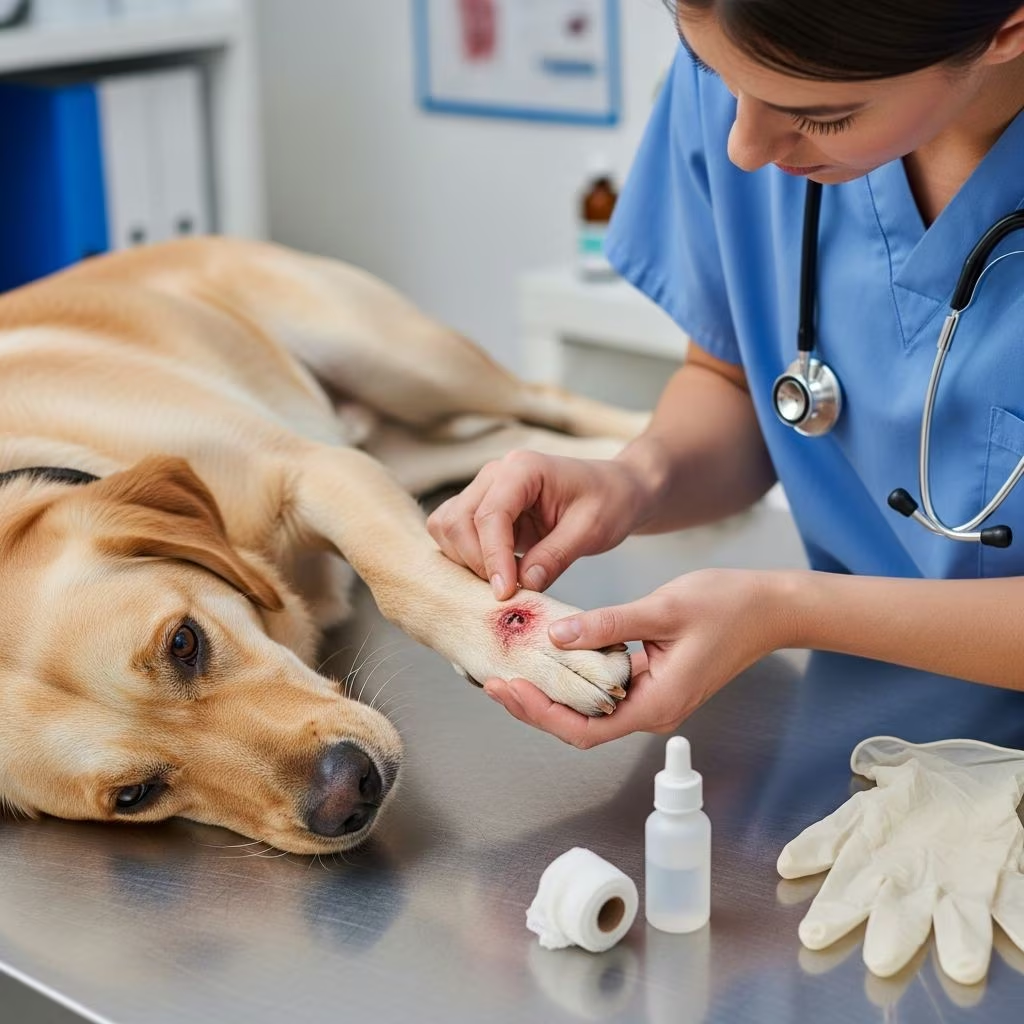
Bleeding in dogs can range from minor cuts to life-threatening emergencies. Quick action using proper first aid techniques can stabilize your pet while you seek professional veterinary care. This guide covers identifying bleeding types, immediate response steps, common causes, and prevention strategies to keep your dog safe.
Immediate First Aid for Bleeding Dogs
The first step when discovering a bleeding dog is to remain calm and apply **gentle pressure** to the wound using a clean cloth or gauze for 5-10 minutes without peeking, allowing clotting to occur. Elevate the injured area if possible, but avoid tight bandages that could cut off circulation. If bleeding persists or is heavy, wrap the site loosely and head to the vet immediately.
- Do not use tourniquets unless trained, as they can cause tissue damage.
- Keep your dog warm and quiet to prevent shock from blood loss.
- Monitor for signs of shock: pale gums, rapid breathing, weakness, or collapse.
For minor wounds like cut paws or broken nails, clean gently with saline after bleeding stops, but always consult a vet for evaluation.
Types of Bleeding in Dogs: External vs. Internal
Dogs can experience **external bleeding**, visible on the surface from wounds, or **internal bleeding**, hidden but potentially fatal due to blood accumulation in body cavities. External bleeds are easier to spot and treat initially, while internal ones require urgent diagnostics like bloodwork, X-rays, or ultrasounds.
| Type | Signs | First Aid | Vet Urgency |
|---|---|---|---|
| External | Blood from cuts, nose, mouth, paws, genitals | Direct pressure, clean, bandage | High if heavy or ongoing |
| Internal | Pale gums, weakness, distended abdomen, bloody stool/urine | Minimize movement, supportive care | Emergency—immediate vet |
Common Causes of External Bleeding
External bleeding often stems from trauma, infections, tumors, or clotting disorders. Paws and nails are frequent sites due to rough play or walking on sharp surfaces. Tail injuries occur from wagging against hard objects or “happy tail syndrome.”
- Paws/Toenails: Broken nails bleed profusely; trim if possible or apply styptic powder.
- Mouth/Tongue/Teeth: From chewing hard objects or fights.
- Ears: Shaken head trauma or infections cause aural hematomas.
- Penis: Blood in urine from UTIs, stones, prostate issues, or trauma.
- Vagina: Heat cycle normalcy vs. post-birth or infection-related.
- Anus/Rectum: Anal gland issues, parasites, diarrhea, or tumors.
Bleeding disorders like hemophilia or toxin ingestion (e.g., rodenticide) exacerbate external bleeds.
Caring for External Bleeding at Home
Once identified, control external bleeding to prevent shock, where insufficient blood reaches vital organs like the brain and kidneys. Use clean materials for pressure; if soaked through, add more layers without removing the first.
- Assess the wound: Arterial (spurting, bright red) vs. venous (steady, dark red).
- Apply pressure for 5-10 minutes continuously.
- Bandage loosely with non-stick gauze and vet wrap.
- Rush to vet if: bleeding doesn’t stop in 10-15 minutes, wound is deep/jagged, or dog shows pain/shock signs.
For anal bleeding, symptoms include blood drops, straining, licking rear, or tucked tail. Clean gently but seek vet for diagnostics like fecal tests or expression of anal glands.
Recognizing and Managing Internal Bleeding
Internal bleeding is stealthy and demands **emergency vet care**—little home first aid works. Causes include trauma (hit-by-car), ruptured tumors (e.g., hemangiosarcoma), or toxins. Signs: rapid weak pulse, cold extremities, bloody vomit/stool/urine, abdominal swelling.
Vets use diagnostics and may provide blood transfusions or surgery. Trauma cases need full-body checks for hidden injuries like ruptured spleens or diaphragms.
- Avoid feeding/water until stable.
- Transport on a board to immobilize spine.
- Yunnan Baiyao, an herbal hemostatic, may aid clotting in cancers like hemangiosarcoma under vet guidance.
Specific Areas of Concern
Nosebleeds (Epistaxis)
Nosebleeds stem from infections, tumors, trauma, or clotting issues. Apply ice to the bridge, keep head elevated, and prevent sneezing/licking.
Bleeding Gums or Mouth
Often from dental disease, broken teeth, or rat poison. Rinse mouth with saline; inspect for foreign objects.
Blood in Urine (Hematuria)
Appears as penis/vagina bleeding. Causes: stones, infections, cancer, prostate disease. Collect sample for vet.
Bleeding Anus
Symptoms: bloody stool, swelling, pain. Causes: parasites, anal sacs, polyps, cancer. Home remedies limited—vet for deworming, antibiotics, or surgery.
When to Rush to the Vet
Any ongoing bleeding, anemia signs (pale gums), or spontaneous bleeds warrant immediate care. Post-trauma dogs need evaluation even if external wounds seem minor. Toxin suspicions (rodenticide) require bringing samples.
Bleeding is **never normal** except heat cycles or whelping. Female dogs in proestrus bleed visibly, but excessive amounts need checking.
Prevention Tips for Bleeding Incidents
Proactive care reduces risks:
- Regular vet check-ups, vaccines, deworming, anal gland expression.
- Avoid rodenticides; walk away from baited areas.
- Supervise play; trim nails regularly.
- Balanced diet prevents constipation/parasites.
- Spay/neuter reduces reproductive cancers/bleeds.
Blood banking for dogs mirrors human systems, with low donor risks like bruising.
Frequently Asked Questions (FAQs)
How much bleeding is normal for a dog?
Bleeding is not normal except during heat cycles (proestrus stage) or whelping. Consult a vet for any concerns.
What are the four stages of a dog’s heat cycle?
1) Proestrus (visible bleeding), 2) Estrus, 3) Diestrus, 4) Anestrus.
Can a bleeding anus indicate cancer?
Yes, though less common than anal glands or parasites. Vet diagnosis essential.
Is Yunnan Baiyao safe for dogs?
It aids clotting in bleeding disorders or cancers but use only under vet supervision.
Should I treat anal bleeding at home?
No—seek vet first for proper diagnosis and treatment.
Advanced Treatments and Outlook
For severe cases like hemangiosarcoma, hemostatics like Yunnan Baiyao promote platelet grouping without excessive clots. Canine blood banks provide transfusions, typed like human blood, with minimal donor risks. Recovery depends on cause: trauma often good prognosis with prompt care; cancers variable.
Pet parents play a key role—early intervention via head-to-toe exams spots issues like hidden GI bleeds or clotting defects.
References
- How To Care for Your Bleeding Dog — Kinship. 2023. https://www.kinship.com/dog-health/vet-advice-how-care-bleeding-pet
- A Guide to Yunnan Baiyao For Dogs — Kinship. 2023. https://www.kinship.com/dog-health/yunnan-baiyao-for-dogs
- Treatment for Your Dog’s Bleeding Anus — Kinship. 2023. https://www.kinship.com/dog-health/bleeding-anus-home-remedies
- ‘Doing good by proxy’: human‐animal kinship and the ‘donation’ of companion animal blood — PMC (Wiley). 2017-07-26. https://pmc.ncbi.nlm.nih.gov/articles/PMC5516241/



