

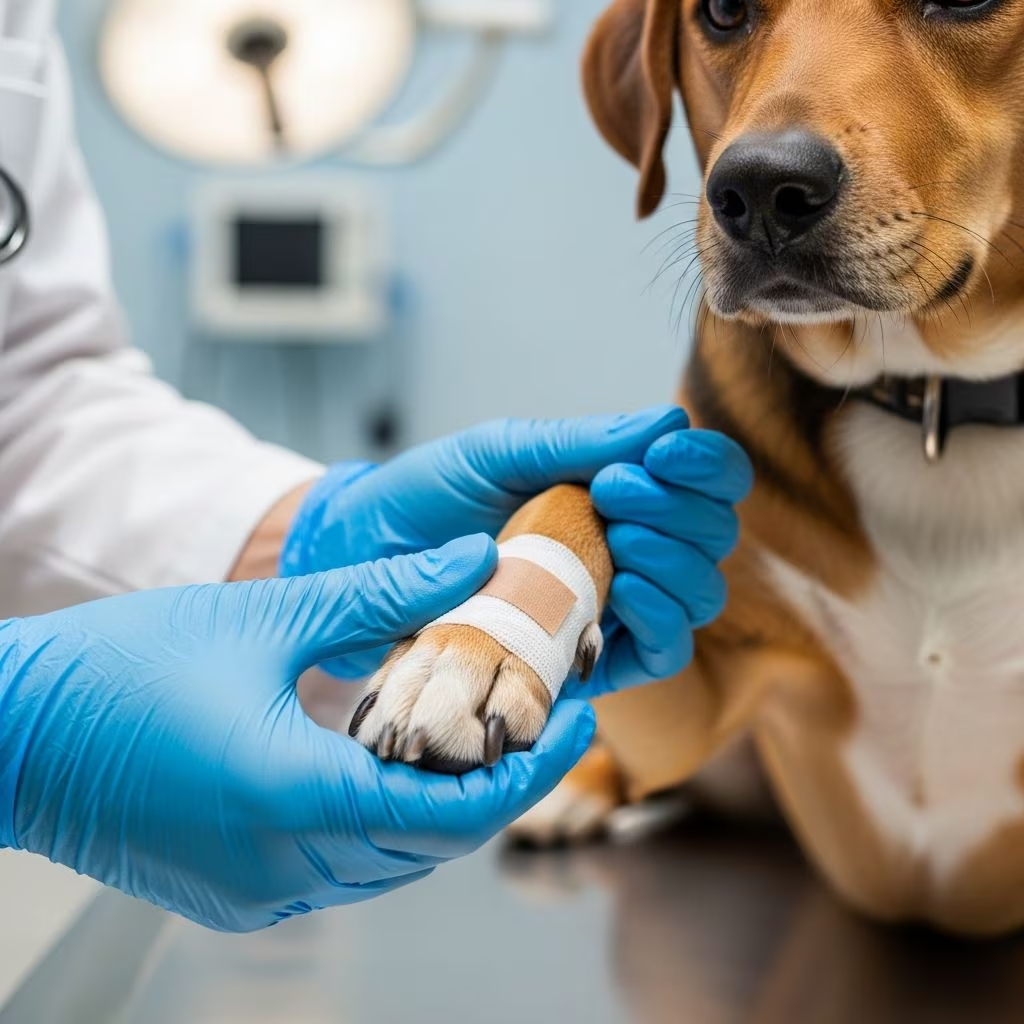
Discovering blood on your dog can be alarming, but knowing how to respond quickly and appropriately can make all the difference. Bleeding in pets ranges from minor cuts to life-threatening emergencies, often stemming from trauma, infections, tumors, or bleeding disorders. This comprehensive guide provides veterinary-approved steps for first aid, identifying causes, and deciding when professional help is needed. Always prioritize safety and consult a vet promptly, as visible bleeding may signal deeper issues.
Understanding Bleeding in Dogs
Bleeding in dogs, whether external or internal, requires immediate attention. **External bleeding** is visible outside the body and can result from trauma, infections, tumors, or bleeding disorders like those caused by congenital issues or toxins such as rodenticide. While small amounts might not be immediately fatal, they warrant a vet visit to rule out serious underlying conditions.
**Internal bleeding**, on the other hand, is hidden and far more dangerous. It often follows trauma and demands emergency veterinary intervention, including diagnostics like bloodwork and X-rays, and possibly transfusions or surgery. Dogs with trauma should always receive a full evaluation, even if external wounds seem minor, as hidden injuries are common.
Key signs of distress include pale gums, weakness, rapid breathing, collapse, or shock from blood loss, where organs like the brain and kidneys fail due to insufficient oxygen.
Common Causes of External Bleeding
External bleeding can originate from various sites. A systematic head-to-toe check helps locate the source: paws, toenails, tail, mouth, urine, genitals, or anus.
- Paws and Toenails: Broken nails or pad cuts from rough terrain are frequent, especially in active dogs.
- Tail: Wagging against sharp objects or ‘happy tail syndrome’ in breeds like Boxers.
- Mouth: Broken teeth, tongue injuries from sticks or bones.
- Urine (Hematuria): Bladder stones, UTIs, cancer, or bleeding disorders.
Penis
Bleeding from the penis often indicates blood in the urine from bladder stones, urinary tract infections, cancer, trauma, prostate issues, or coagulopathies. Unspayed females may experience vaginal bleeding during heat (proestrus stage), from pyometra (uterine infection), post-birth, or mimicking urine-related issues.
Vagina
In unspayed females, heat cycles cause bloody discharge. Pyometra produces pus-like blood, while birthing or recent whelping can lead to lochia. Blood in urine may appear vaginal.
Anus and Rectum
Bleeding around the anus signals anal gland issues, parasites, infections, dietary problems, or perianal fistulas (common in German Shepherds). Symptoms include blood drops, straining, diarrhea with blood, excessive licking, swelling, pain, or tail tucking.
Bleeding disorders like hemophilia or toxin ingestion (e.g., rodenticide) exacerbate issues. Cancer is possible but less common.
How to Care for External Bleeding
For active external bleeding, act fast to prevent shock. Follow these vet-recommended steps:
- Stay Calm: Muzzle if needed to prevent bites from pain.
- Apply Pressure: Use a clean cloth or gauze; press firmly for 5-10 minutes without peeking. Elevate the limb if possible.
- Bandage: Wrap snugly but not too tight—check for circulation by pressing the toe; it should pink up in 2 seconds.
- Prevent Licking: Use an Elizabethan collar or sock.
- Head to Vet: Even if bleeding stops, professional assessment is essential.
Table: First Aid Supplies for Bleeding
| Item | Purpose |
|---|---|
| Clean gauze/cloth | Direct pressure |
| Roll gauze | Bandaging |
| Elastic bandage | Secure wrap |
| Tape | Hold in place |
| Blunt scissors | Emergency cuts |
| Muzzle | Safety |
How to Care for Internal Bleeding
Internal bleeding offers limited home care. Keep the dog calm, warm, and still; transport to an emergency vet immediately. Vets may provide fluids, transfusions, or surgery. Trauma cases need full imaging.
Symptoms: Swollen abdomen, bloody vomit/stool, coughing blood, weakness, pale gums.
When to Go to the Vet Immediately
- Jaw weakness, collapse, pale gums, rapid breathing.
- Bleeding won’t stop after 10-15 minutes pressure.
- Trauma history, even minor.
- Ongoing/spontaneous bleeding, anemia signs.
- Bleeding anus with pain, lethargy, vomiting.
For stable dogs with minor bleeding, monitor but still consult a vet.
Prevention Tips
- Toxins: Avoid rodenticide; if suspected, bring sample to vet.
- Regular Check-ups: Catch issues early; include anal gland expression, deworming.
- Diet and Exercise: High-fiber diet prevents anal issues; supervise play.
- Spay/Neuter: Reduces pyometra, prostate risks.
- Grooming: Trim nails, check paws/tail.
Bleeding Disorders in Dogs
Some dogs inherit clotting issues like von Willebrand’s or hemophilia, causing excessive bleeding from minor injuries. Acquired issues from toxins or drugs. Blood banking for dogs mirrors human systems, with low donor risks.
How Much Bleeding is Normal?
Bleeding is never normal except during heat cycles or whelping. Any concern warrants a vet visit.
The Four Stages of a Dog’s Heat Cycle
Unspayed females bleed in proestrus. Stages:
- Proestrus: 9 days; bloody discharge, swelling.
- Estrus: 9 days; fertile, clear discharge.
- Diestrus: 60-90 days; hormonal changes.
- Anestrus: 4-5 months; resting.
Frequently Asked Questions (FAQs)
Is bleeding from a dog’s anus serious?
Yes, it can indicate anal gland problems, parasites, or cancer. See a vet for diagnosis and treatment.
Can I treat a bleeding anus at home?
No—seek vet care first. They’ll clean wounds, prescribe meds; home remedies risk worsening.
How do I stop my dog’s nail bleeding?
Apply pressure 5-10 min, use styptic powder or flour. Vet if persistent.
What if my dog is vomiting blood?
Emergency—could be ulcers, trauma, parvovirus, cancer. Rush to vet.
Is rodenticide poisoning common?
Yes, causes internal bleeding. Prevent exposure; treat with vet antidotes.
References
- How To Care for Your Bleeding Dog — Kinship. 2023. https://www.kinship.com/dog-health/vet-advice-how-care-bleeding-pet
- Treatment for Your Dog’s Bleeding Anus: Home Remedies — Kinship. 2023. https://www.kinship.com/dog-health/bleeding-anus-home-remedies
- ‘Doing good by proxy’: human‐animal kinship and the ‘donation’ of companion animal blood — PMC (Wiley). 2017-07-27. https://pmc.ncbi.nlm.nih.gov/articles/PMC5516241/
- Why Is My Dog Throwing Up Blood? Learn What This Means — Kinship. 2023. https://www.kinship.com/dog-health/dog-throwing-up-blood



