

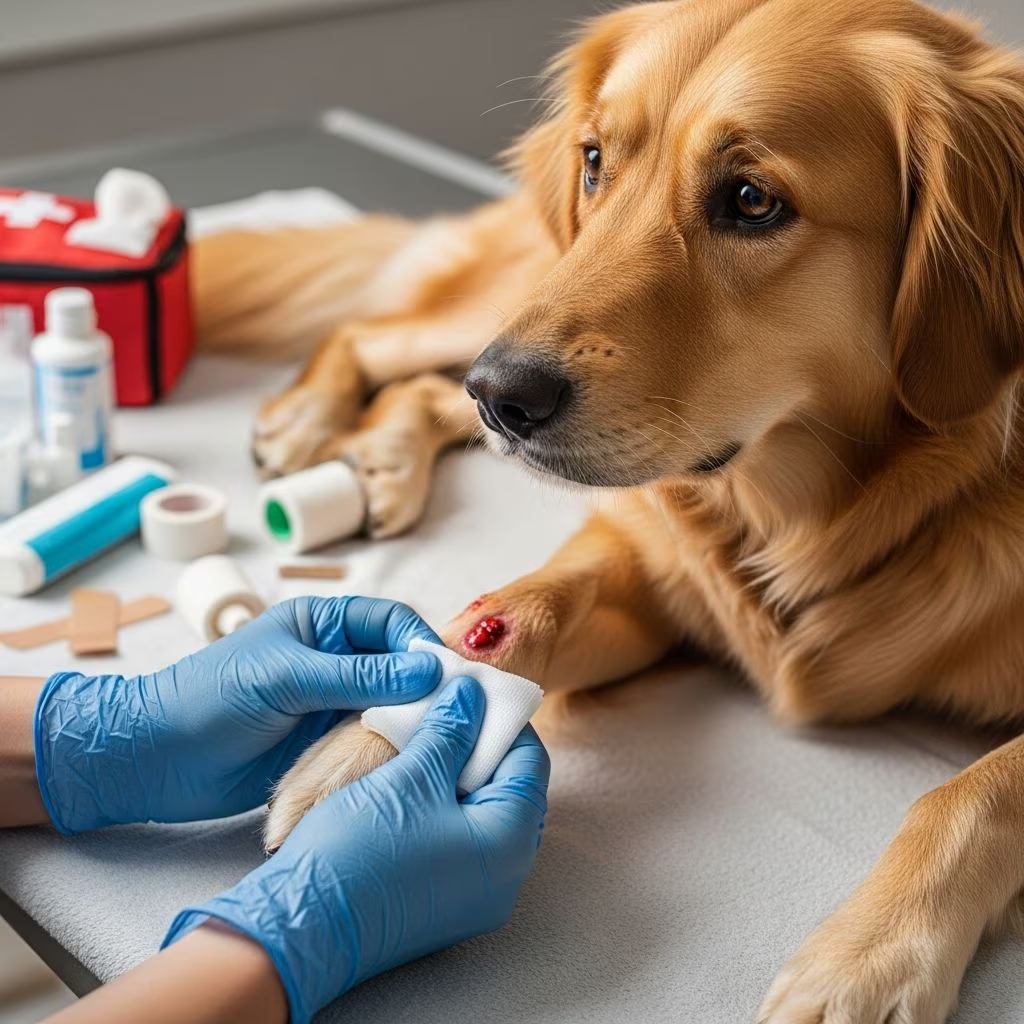
Bleeding in dogs requires immediate attention to prevent shock, infection, or worse. Whether from a minor cut or serious trauma, knowing how to respond can save your pet’s life. This guide covers assessment, first aid, common causes, and veterinary care essentials.
Recognizing Bleeding in Dogs
Spotting bleeding early is crucial. External bleeding is visible on the surface, while internal bleeding shows subtler signs like pale gums, weakness, or collapse. Always prioritize stability before detailed inspection.
- External bleeding: Bright red blood spurting (arterial) or oozing (venous) from cuts, paws, or orifices.
- Internal bleeding: Swollen abdomen, rapid breathing, lethargy, or blood in vomit/stool.
- Check paws, tail, mouth, genitals, and anus systematically if the source isn’t obvious.
Immediate First Aid for External Bleeding
For active external bleeding, act fast to promote clotting and minimize blood loss. The goal is to stabilize your dog en route to the vet.
- Apply direct pressure: Use a clean cloth, gauze, or bandage on the wound for 5-10 minutes without peeking. This encourages clotting.
- Elevate if possible: Raise the limb above heart level for limb wounds, but avoid if it causes pain.
- Do not use tourniquets: They risk tissue damage unless trained.
- Bandage securely: Wrap firmly but not too tight; check circulation every 10 minutes.
If bleeding soaks through, add more layers without removing the original. For nosebleeds or mouth injuries, use a cold compress gently.
Caring for Internal Bleeding
Internal bleeding is harder to manage at home and demands emergency vet care. Symptoms include restlessness, pale gums, cold extremities, and shock.
- Keep your dog calm and warm to conserve energy.
- Monitor breathing and pulse; restrict movement.
- Rush to a vet for diagnostics like X-rays, ultrasound, bloodwork, and possible transfusions.
- Surgery may be needed for trauma or tumors like hemangiosarcoma.
Post-trauma, even minor external wounds warrant full evaluation for hidden injuries.
Common Causes of Bleeding in Dogs
Bleeding stems from trauma, infections, toxins, or disorders. Identifying the source guides treatment.
Trauma-Related Bleeding
Cuts, punctures, broken nails, or tail injuries from wagging against objects are frequent. Car accidents or falls cause severe external/internal bleeds.
Bleeding from Specific Areas
- Paws/Toenails: Common from rough play or overgrown nails.
- Mouth/Tongue/Teeth: Fights, chewing hazards, or broken teeth.
- Penis: Blood in urine from stones, UTIs, cancer, or prostate issues.
- Vagina: Heat cycle, post-birth, or urinary issues mimicking vaginal bleed.
- Anus/Rectum: Anal gland problems, parasites, diarrhea, or tumors. Symptoms: blood in stool, straining, licking.
Bleeding Disorders and Toxins
Congenital issues like hemophilia or acquired from rodenticides prevent clotting. Anticoagulant poisons (e.g., rat bait) cause spontaneous bleeding; bring packaging to vet.
Yunnan Baiyao, an herbal remedy, aids clotting in cancers like hemangiosarcoma or ulcers without excessive clots.
| Area | Common Causes | First Steps |
|---|---|---|
| Paws | Cuts, broken nails | Pressure, muzzle if biting |
| Genitals | UTIs, stones, cancer | Collect urine sample, vet ASAP |
| Anus | Glands, parasites | Clean area, check stool |
| Internal | Trauma, toxins | Emergency transport |
When to See a Vet Immediately
Any bleeding warrants a check, but rush if:
- Bleeding won’t stop after 10 minutes pressure.
- Signs of shock: weakness, rapid heart rate, collapse.
- Internal signs or post-trauma.
- Ongoing, spontaneous, or with anemia (pale gums).
For anal bleeding with pain, lethargy, or blood drops, vet exam rules out serious issues like cancer.
Diagnosis and Veterinary Treatment
Vets use bloodwork, imaging, and exams to pinpoint causes. Treatments include:
- Stitching wounds, antibiotics for infections.
- Fluids, transfusions for blood loss.
- Surgery for tumors or organs.
- Anal gland expression or deworming.
Bleeding disorders may need clotting factors or plasma.
Prevention Tips for Bleeding in Dogs
Minimize risks proactively.
- Regular check-ups: Catch issues early; include anal glands, vaccines.
- Toxin avoidance: No rodenticides; supervise outdoors.
- Nail trims: Prevent breaks.
- Diet and parasites: High-fiber diet, deworming prevent anal issues.
- Spay/neuter: Reduces reproductive cancers.
FAQs
How much bleeding is normal for a dog?
Bleeding is never normal except during heat cycles or whelping. Consult a vet for any concern.
What are the four stages of a dog’s heat cycle?
1) Proestrus (visible bleeding), 2) Estrus, 3) Diestrus, 4) Anestrus.
Can a bleeding anus indicate cancer?
Yes, though less common; other causes like glands or parasites are more frequent. Vet diagnosis essential.
Is Yunnan Baiyao safe for dogs with bleeding?
It promotes clotting for wounds, cancers, or nosebleeds; vet-supervised use recommended.
Should I treat anal bleeding at home?
No, seek vet first; clean gently but address underlying causes professionally.
Special Considerations for Breeds and Ages
Large breeds like Labs risk tail bleeding from wagging. Seniors prone to cancers causing bleeds. Puppies may have parasites.
Monitor heat cycles in unspayed females; bloody discharge is normal but track duration.
Long-Term Management
For chronic issues like bleeding disorders, follow vet plans with supplements or meds. Blood banking for dogs mirrors human systems, with safe donations strengthening owner-pet bonds.
Post-treatment, watch for recurrence. Maintain hygiene to prevent infections.
References
- How To Care for Your Bleeding Dog — Kinship. 2023. https://www.kinship.com/uk/dog-health/vet-advice-how-care-bleeding-pet
- A Guide to Yunnan Baiyao For Dogs — Kinship. 2023. https://www.kinship.com/dog-health/yunnan-baiyao-for-dogs
- Treatment for Your Dog’s Bleeding Anus — Kinship. 2023. https://www.kinship.com/dog-health/bleeding-anus-home-remedies
- ‘Doing good by proxy’: human‐animal kinship and the ‘donation’ of blood by dogs — Wiley Online Library (PMC). 2017-07-01. https://pmc.ncbi.nlm.nih.gov/articles/PMC5516241/



