

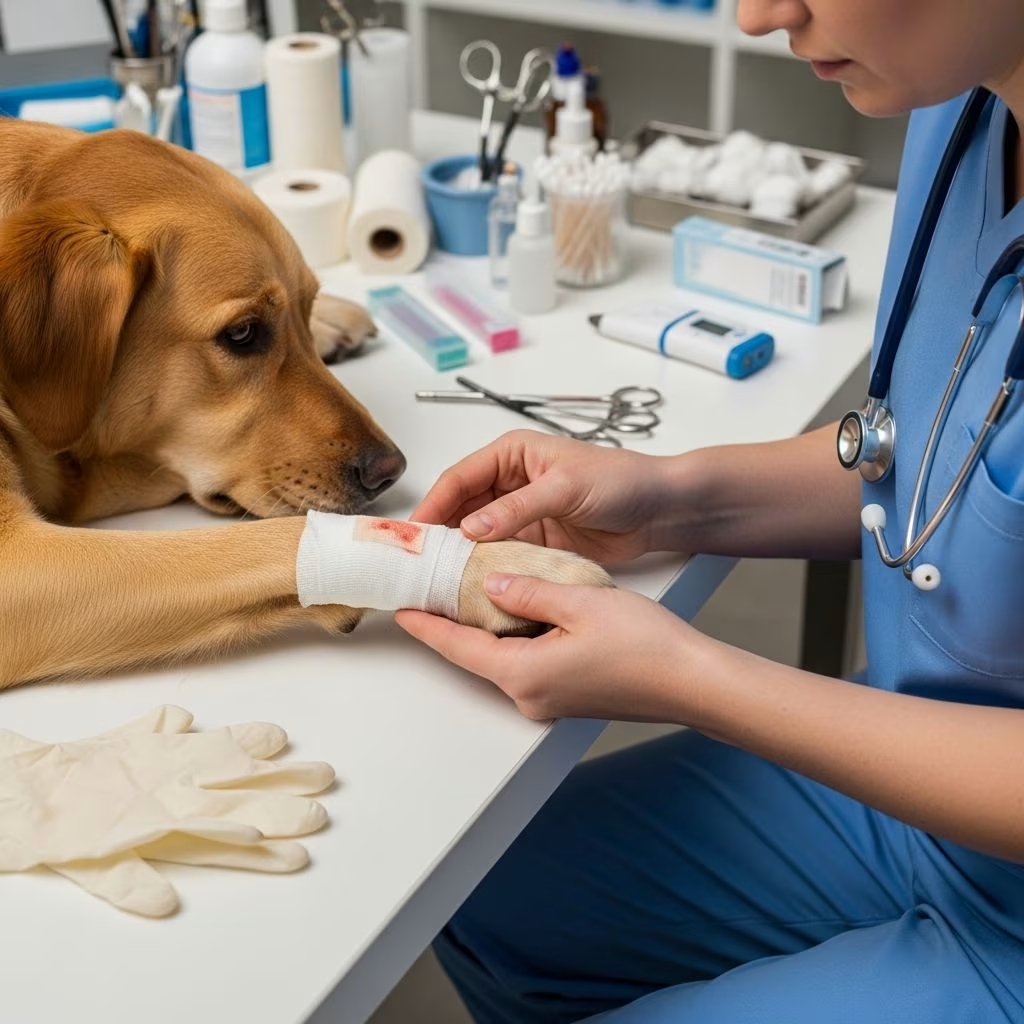
Discovering blood on your pet can be terrifying, but knowing how to respond quickly can save their life. This comprehensive guide provides veterinary advice on assessing bleeding, applying first aid, recognizing emergencies, and supporting recovery at home.
Key Takeaways
- Bleeding in pets ranges from minor cuts to life-threatening injuries; always assess severity first.
- Apply direct pressure to stop external bleeding; seek vet care for heavy or internal bleeding.
- Common causes include trauma, anal gland issues, parasites, infections, or clotting disorders.
- Prevention involves regular vet check-ups, proper diet, parasite control, and a pet first-aid kit.
- Act fast: Heavy blood loss can lead to shock, which is fatal without intervention.
Understanding Bleeding in Pets
Bleeding, or hemorrhage, occurs when blood vessels are damaged, causing blood to escape from circulation. In dogs, it can be external (visible on skin, paws, or fur) or internal (in body cavities like the abdomen or chest). External bleeding is often from cuts, bites, or anal issues, while internal bleeding may follow trauma, poisoning, or diseases like cancer.
Symptoms vary by location and cause. For **rectal or anal bleeding**, look for drops of blood on the ground, blood in stool (bright red or dark/tarry), straining to defecate, excessive rear-end licking, swelling around the anus, whining, hiding, or tail tucking. General signs include pale gums, lethargy, rapid breathing, weakness, or collapse.
Common Causes of Bleeding
- Trauma: Cuts, punctures, bites, or accidents damaging skin, paws, nails, or tail.
- Anal Gland Problems: Impacted or infected glands leading to abscesses and rectal bleeding.
- Gastrointestinal Issues: Parasites (hookworms, whipworms), infections, dietary indiscretion, or tumors causing bloody diarrhea.
- Clotting Disorders: Inherited conditions like hemophilia or von Willebrand’s disease, or acquired from rat poison ingestion.
- Other: Ulcerated tumors, foreign bodies, or systemic illnesses.
Step-by-Step: Assessing Your Pet’s Bleeding
Stay calm—your dog senses your stress. First, ensure safety: Muzzle if needed, as pain can cause biting.
- Inspect Quickly: Check mouth (behind canines), genitals, anus, paws, nails, neck, back, chest, belly, and legs. Part fur to spot wounds; note swelling or masses.
- Assess Severity: Minor: Slow ooze from small cut. Moderate: Steady flow. Severe: Spurting (arterial), pooling blood, or signs of shock (pale gums, rapid heart rate, collapse).
- Check for Internal Bleeding: No visible blood but bloated belly, coughing blood, black stool, or weakness after trauma.
| Bleeding Type | Signs | Action |
|---|---|---|
| Minor External | Slow drip, small wound | Home first aid, monitor |
| Severe External | Heavy flow, spurting | Direct pressure, vet ASAP |
| Internal | Pale gums, shock signs | Emergency vet immediately |
| Anal/Rectal | Blood in stool, straining | Vet exam for cause |
Immediate First Aid: How to Stop the Bleeding
Time is critical—heavy bleeding can cause shock. Have a pet first-aid kit: non-stick pads (Telfa), gauze, towels, elastic bandage, muzzle, hydrogen peroxide, styptic powder.
Steps for External Bleeding
- Direct Pressure: Place non-stick pad over wound, add gauze/towels, press firmly for 5-10 minutes without peeking.
- Elevate if Possible: Raise limb above heart (not for chest/neck).
- Bandage: Wrap snugly but not too tight (check circulation every 10 min). Avoid tourniquets unless trained—place above wound, tight but monitor.
- Nail Bleeds: Use styptic powder or cornstarch; clip if overgrown.
For **anal bleeding**, clean gently with warm water/saline; do not probe.
Internal Bleeding
Little first aid helps—rush to vet for fluids, imaging, or surgery. Keep pet calm, warm, and still en route.
When to Take Your Pet to the Vet
Always err on caution: Go immediately for active bleeding, large wounds, anal bleeding, signs of illness (vomiting, lethargy, pale gums), or if bleeding doesn’t stop after 10-15 min pressure. Even minor bleeds may signal bigger issues like clotting disorders.
Vets diagnose via exam, bloodwork, fecal tests, imaging, or anal gland expression. Treatments: Antibiotics for infections, dewormers, fluids, surgery for abscesses/trauma.
Home Remedies and Supportive Care
Never skip vet care; use these post-visit or for minor issues:
- Clean Wounds: Saline or diluted antiseptic; pat dry.
- Diet: Bland (boiled chicken/rice) for GI upset; high-fiber for anal glands.
- Comfort: Clean rear end, e-collar to prevent licking, pain meds from vet.
- Hydration: Encourage water; ice chips if vomiting.
Warning: No human meds like aspirin (toxic to dogs).
Preventing Bleeding in Your Pet
No foolproof prevention, but reduce risks:
- Regular Vet Visits: Vaccines, deworming, anal gland checks.
- Diet and Parasite Control: Balanced food, monthly preventives.
- First-Aid Kit: Always ready.
- Supervise Play: Avoid rough play, secure yard.
- Grooming: Trim nails, express glands if needed.
Frequently Asked Questions
Can a bleeding anus in dogs resolve on its own?
It may for minor cases, but discomfort persists, and underlying issues need addressing. Vet care ensures quick relief and prevents recurrence.
What if my dog is bleeding from the mouth or nose?
Check for trauma; internal issues possible. Apply gentle pressure if external; head to vet for dental/foreign body checks.
How do I know if it’s internal bleeding?
Signs: Weakness, pale gums, rapid breathing, distended abdomen. Emergency—no home fix.
Is rat poison a common cause?
Yes; symptoms include bleeding gums, stool, bruising. Induce vomiting if recent (vet guidance), then treat.
How long to apply pressure before vet?
5-10 min per attempt (up to 3); if unsuccessful, go now.
References
- Treatment for Your Dog’s Bleeding Anus: Home Remedies — Kinship. 2024. https://www.kinship.com/dog-health/bleeding-anus-home-remedies
- What to Do When Your Dog Is Bleeding — Kinship (YouTube). 2024. https://www.kinship.com/video/what-to-do-when-your-dog-is-bleeding
- Cat and Dog Bleeding Care Training — Pro Pet Hero. 2024. https://www.catanddogfirstaid.com/training/video/cat-and-dog-bleeding-care



