

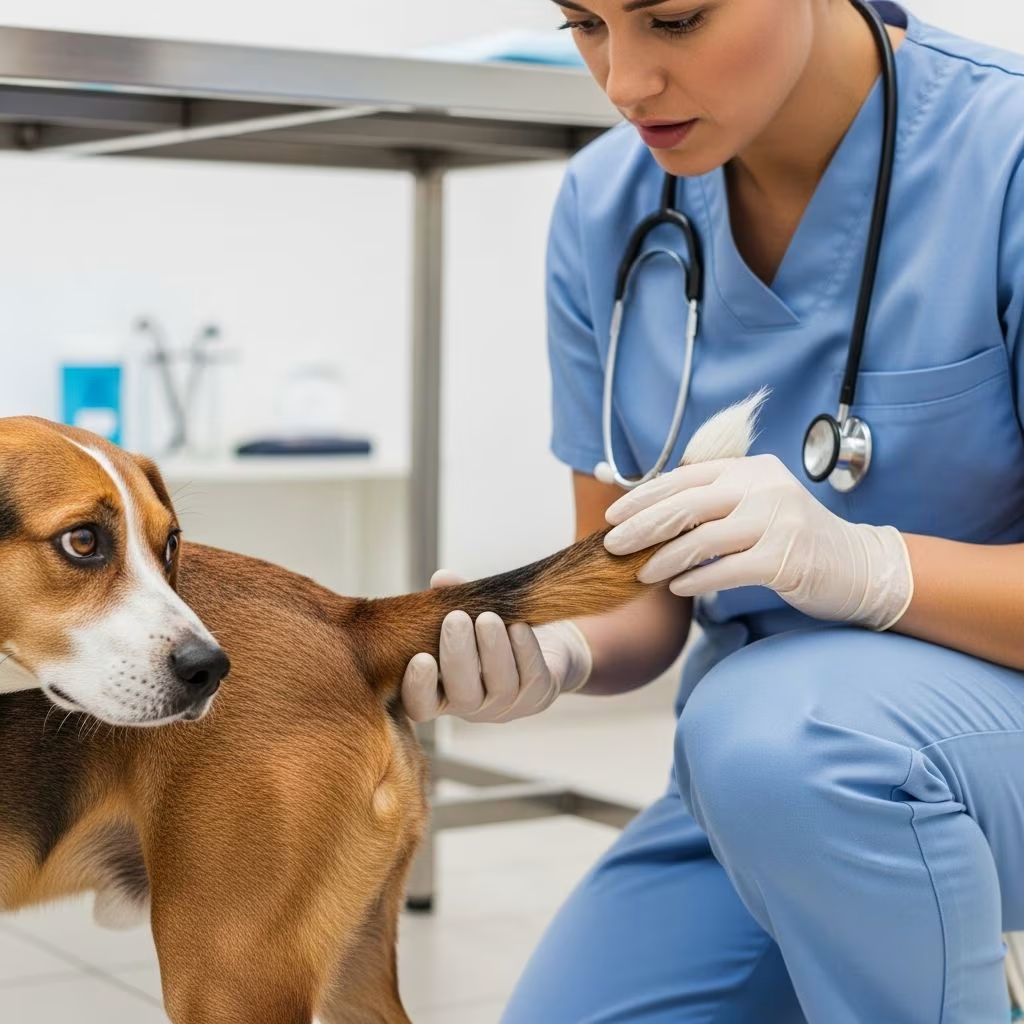
Dog scooting, where your dog drags its rear end across the floor or carpet, is a common but concerning behavior that often indicates discomfort in the anal area. While it may look humorous at first, persistent scooting can signal underlying health issues ranging from minor irritations to serious conditions requiring veterinary intervention. Understanding the reasons behind this behavior is crucial for every dog owner to ensure their pet’s comfort and prevent complications. This comprehensive guide covers the primary causes, symptoms to watch for, diagnostic steps, treatment options, and prevention strategies, drawing from veterinary insights to help you support your dog’s well-being.
What is Dog Scooting?
Scooting occurs when a dog positions its hindquarters low to the ground and drags its anus across surfaces like carpets, grass, or rugs. This instinctive action is the dog’s attempt to relieve irritation, pressure, or itchiness around the rectal area. Unlike playful behavior, scooting is typically repetitive and focused solely on the rear, often accompanied by signs of distress such as tail tucking or hesitation to sit. Small breeds like Chihuahuas and Dachshunds are particularly prone due to their anatomy, but any dog can exhibit this behavior.
The anal sacs, two small glands located at the 4 and 8 o’clock positions around the anus, play a central role. These sacs produce a pungent fluid used for scent marking, normally expressed naturally during defecation. When expression fails, buildup leads to discomfort, prompting scooting. Beyond glands, other factors like parasites or allergies can mimic or compound these issues.
Common Causes of Dog Scooting
Several factors contribute to scooting, with anal gland problems being the most frequent culprit. Identifying the root cause early can prevent escalation to infections or chronic issues. Here’s a breakdown of the primary reasons:
- Anal Gland Impaction or Fullness: The leading cause, occurring when glands fail to empty properly, causing pressure and discomfort. Soft stools normally aid expression, but firm stools or diarrhea can hinder this process.
- Anal Gland Infections or Abscesses: Blocked glands can become infected, leading to swelling, pus, or bloody discharge. This painful condition demands prompt attention to avoid rupture.
- Parasites (e.g., Tapeworms): Segments of tapeworms resemble rice grains near the anus or in feces, causing intense itching. Other worms like roundworms contribute indirectly via gastrointestinal upset.
- Allergies and Skin Irritations: Food allergies, environmental allergens (pollen, dust), or contact irritants inflame the perianal skin, prompting scooting. Symptoms often include red, itchy skin.
- Constipation or Diarrhea: Hard stools prevent gland expression, while loose stools lead to fecal contamination and bacterial growth around the anus.
- Skin Infections (Bacterial/Yeast): Fungal or bacterial overgrowth in the warm, moist anal region causes itching, especially in long-haired or obese dogs.
- Foreign Objects or Trauma: Grass seeds, matted fur, or post-grooming irritation can lodge and irritate.
- Rare Conditions (e.g., Adrenal Disorders): Cushing’s syndrome (excess cortisol) or Addison’s disease (hormone deficiency) can cause secondary skin irritation and scooting.
Signs Your Dog Has Anal Gland Problems or Other Issues
Beyond scooting, monitor for these red flags indicating anal gland distress or related problems:
- Excessive licking, biting, or chewing at the rear end
- Fishy, foul odor emanating from the hindquarters
- Visible swelling, redness, or lumps under the tail
- Blood, pus, or unusual discharge from the anus
- Difficulty defecating, straining, or pain when sitting
- Behavioral changes: irritability, restlessness, or hiding
- Rice-like segments in stool or near anus (tapeworms)
- Skin changes: thinning, hair loss, or hotspots around the rear
If multiple symptoms appear, note their frequency and severity to inform your vet. Early detection prevents complications like abscesses, which can require surgical drainage.
Why Do Dogs Develop Anal Gland Issues?
Several predisposing factors increase the risk:
- Breed Predisposition: Small breeds with narrow ducts (e.g., Poodles, Bulldogs) struggle more with natural expression.
- Diet and Stool Consistency: Low-fiber diets produce small, hard stools unable to pressure glands adequately.
- Obesity: Excess weight alters defecation mechanics, impeding expression.
- Dehydration or Poor Muscle Tone: Weak anal sphincter muscles from age or inactivity contribute.
- Recurrent Diarrhea: Prevents proper gland compression during bowel movements.
| Risk Factor | Impact on Glands | Breeds Affected |
|---|---|---|
| Small Breed Anatomy | Narrow ducts prone to blockage | Chihuahua, Dachshund |
| Soft Stools | Inadequate expression pressure | All breeds |
| Obesity | Altered defecation posture | Large breeds like Labs |
How to Check Your Dog’s Anal Glands at Home
While professional expression is safest, owners can perform a gentle external check:
- Wash hands and wear gloves; position dog calmly (treats help).
- Lift tail gently; inspect for swelling, redness, or discharge.
- Palpate 4 and 8 o’clock positions for fullness (firm, grape-sized lumps).
- Avoid manual squeezing unless trained—risk of injury or infection exists.
- Apply warm compress (clean cloth, 10-15 mins, 2-3x daily) for mild relief.
Do not attempt internal expression without guidance; consult your vet for demonstrations.
When to See a Vet for Dog Scooting
Seek immediate veterinary care if:
- Scooting persists >24-48 hours despite home care.
- Accompanied by pain, blood, swelling, or odor.
- Dog shows lethargy, appetite loss, or vomiting.
- Visible parasites or chronic recurrence.
Vets perform physical exams, fecal tests, cytology, or imaging for diagnosis. Delaying can lead to abscesses or systemic infections.
Vet Diagnosis and Treatment Options
Treatment targets the cause:
- Anal Gland Expression: Manual emptying under sedation if needed.
- Infections: Antibiotics, anti-inflammatories, or flushing.
- Parasites: Dewormers like praziquantel for tapeworms.
- Allergies: Hypoallergenic diets, antihistamines, or apoquel.
- Constipation: Fiber supplements (pumpkin), stool softeners.
- Severe Cases: Surgery (anal sacculectomy) for chronic issues; rare for adrenal disorders (medications/hormone therapy).
Follow-up ensures resolution; recurring cases may need dietary tweaks or probiotics.
Home Remedies and Prevention Tips
Support vet care with these safe remedies:
- Dietary Fiber: Add canned pumpkin (1-2 tsp/10lbs body weight) to firm stools.
- Hydration: Encourage water intake for softer stools.
- Grooming: Trim fur around anus; gentle wipes post-defecation.
- Exercise: Daily walks promote healthy bowels.
- Probiotics: Support gut health to prevent imbalances.
- Epsom Salt Soaks: For mild irritation (vet-approved).
Prevention: High-fiber diet, routine vet check-ups (every 6-12 months for expression in prone dogs), weight management.
Frequently Asked Questions (FAQs)
Is dog scooting always anal gland-related?
No, while common (70-80% cases), parasites, allergies, or infections can also cause it. A vet exam confirms.
Can I express my dog’s anal glands myself?
External checks yes, but manual expression risks injury. Learn from a vet first.
How much does anal gland expression cost?
£20-50 per session; packages cheaper for recurrings. Varies by clinic.
Will scooting stop after treatment?
Usually within days, but chronic cases need ongoing management like diet changes.
Are certain breeds more prone to scooting?
Yes, small breeds with poor gland anatomy (e.g., Shih Tzus) are highest risk.
References
- Why Is My Dog Scooting? Common Causes, Anal Gland Issues — Scenthound. 2023-05-15. https://www.scenthound.com/dogblog/why-is-my-dog-scooting-on-the-ground-causes-and-solutions
- Home Remedies for Dog Scooting — Vetnique Labs. 2024-02-10. https://vetnique.com/blogs/news/home-remedies-for-dog-scooting
- Dog Scooting (Dragging) Butt on Floor: 7+ Reasons & Remedies — Sploot Vets. 2024-08-22. https://www.splootvets.com/post/dog-scooting-butt
- Why is My Dog Scooting Their Butt — VO Vets. 2023-11-08. https://vovets.com/blog/why-is-my-dog-scooting-their-butt/
- Why Does My Dog Scoot? — Compassion Animal Hospital. 2024-01-12. https://compassionanimalhospital.com/why-does-my-dog-scoot/



