

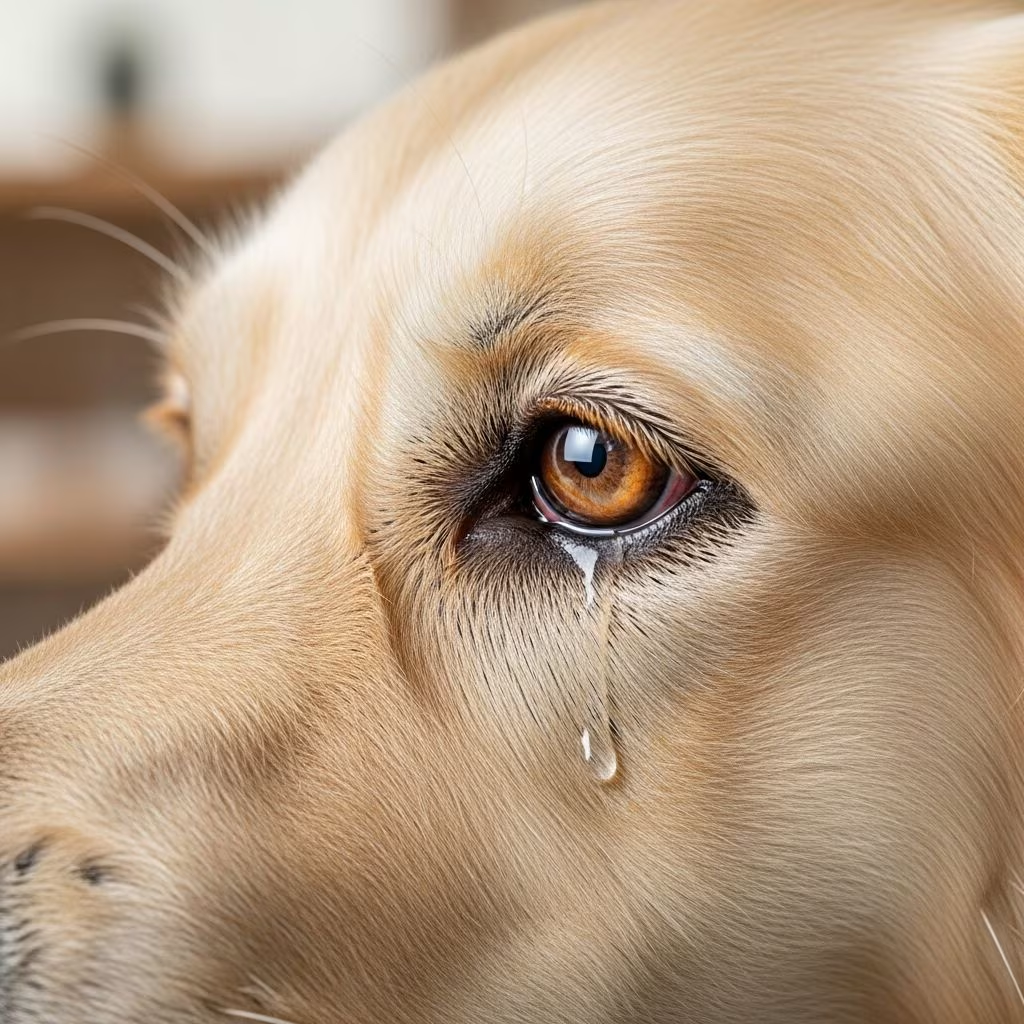
Dry eye, medically known as keratoconjunctivitis sicca (KCS), is a common condition in dogs characterized by insufficient tear production, leading to painful inflammation of the cornea and conjunctiva. This guide covers symptoms, causes, diagnosis, treatment options, and management strategies to help dog owners recognize and address this lifelong condition effectively.
What Is Dry Eye in Dogs?
KCS occurs when dogs produce inadequate watery tears, disrupting the tear film’s protective function on the eye surface. Without sufficient tears, the cornea becomes dry, irritated, and prone to ulcers, infections, and scarring. It typically affects both eyes but can be unilateral in neurogenic cases. Most dogs respond well to treatment, though it requires lifelong management to prevent vision loss.
The tear film consists of three layers: oily (from Meibomian glands), watery (from lacrimal and third eyelid glands), and mucous. KCS primarily impacts the watery layer, causing thick mucoid discharge instead of clear tears.
Symptoms of Dry Eye in Dogs
Dogs with KCS often show painful eye signs that worsen over time. Common symptoms include:
- Red, inflamed, irritated eyes with frequent squinting or blinking
- Thick, yellowish-green, sticky discharge due to lack of watery tears
- Dull, dry cornea appearance and pawing at the face
- Recurrent corneal ulcers, infections, or conjunctivitis
- In chronic cases: corneal scarring, pigmentation, or blood vessel growth
Symptoms develop gradually, often starting in one eye before affecting both. Neurogenic KCS may cause dryness on the same side of the nose.
Causes of Dry Eye in Dogs
The most frequent cause is immune-mediated destruction of tear glands, where the dog’s immune system attacks lacrimal glands. Other causes include:
- Neurogenic KCS from nerve damage affecting gland stimulation
- Drug-induced (e.g., certain sulfa antibiotics)
- Distemper virus or anatomical issues like eyelid abnormalities
- Breed predispositions: Cocker Spaniels, Bulldogs, West Highland White Terriers, Shih Tzus, Lhasa Apsos
Middle-aged to older dogs are most affected, with females slightly more prone.
How Is Dry Eye Diagnosed in Dogs?
Veterinarians diagnose KCS through history, clinical signs, and tests. The gold standard is the Schirmer Tear Test (STT), a painless procedure using filter paper strips placed in the lower eyelid for 60 seconds to measure tear production. Normal is >15 mm/min; <10-15 mm/min confirms dry eye.
Additional diagnostics:
- Fluorescein staining for corneal ulcers
- Intraocular pressure check to rule out glaucoma
- Tear duct flushing for drainage issues
- Cotton swab cytology or culture for infections
Early diagnosis during routine exams prevents complications.
Treatment Options for Dry Eye in Dogs
Treatment aims to stimulate natural tear production, replace tears, control inflammation/infection, and protect the cornea. It’s lifelong, with most dogs improving dramatically.
Lacrimostimulants (Tear Stimulators)
Primary therapy includes topical immunosuppressants:
- Cyclosporine (Optimmune®): Applied 1-2x daily; reduces immune attack on glands. Effective in 80% of cases after 2-12 weeks.
- Tacrolimus: Used if cyclosporine fails; similar mechanism, often more potent.
- Pilocarpine: For neurogenic KCS; stimulates glands but may cause salivation, vomiting, or diarrhea.
Tear Replacement and Supportive Care
- Artificial tears or lubricants every 1-6 hours initially
- Antibiotics (e.g., topical broad-spectrum) for secondary infections/ulcers
- Anti-inflammatories to reduce pain and scarring
Surgical Options
For refractory cases: Parotid duct transposition reroutes salivary ducts to the eye, using saliva as substitute tears. Risks include mucus overproduction and salivary gland atrophy.
| Treatment Type | Examples | Frequency | Notes |
|---|---|---|---|
| Lacrimostimulants | Cyclosporine, Tacrolimus | 1-2x daily lifelong | 80% success rate |
| Tear Replacements | Artificial tears | Every 1-6 hours | Lubricates cornea |
| Antibiotics | Topical drops/ointments | As needed | Treats infections |
| Surgery | Parotid duct transposition | One-time | Last resort |
At-Home Management and Care
Owners play a key role:
- Clean eyes 2x daily with warm water-soaked cotton pads; hold to loosen discharge
- Administer meds consistently; use videos for technique guidance
- Prevent rubbing/pawing with E-collars
- Regular vet rechecks (every 3-6 months) with STT monitoring
- Avoid environmental irritants like dust/smoke
Improvement may take weeks; track symptoms and report lack of progress.
Prognosis and Prevention
With consistent treatment, most dogs maintain comfort and vision, avoiding blindness from scarring. No full cure exists, but early intervention is crucial. Prevention: Routine eye exams for breeds, prompt vet visits for symptoms.
Frequently Asked Questions (FAQs)
Can dry eye in dogs be cured?
No, KCS requires lifelong management, but treatments control symptoms effectively in most cases.
How often is the Schirmer Tear Test performed?
At diagnosis and rechecks every 3-6 months to monitor progress.
Are there breeds more prone to dry eye?
Yes, brachycephalic breeds like Bulldogs, Shih Tzus, and Spaniels are predisposed.
What if my dog doesn’t respond to cyclosporine?
Switch to tacrolimus or consider surgery like parotid duct transposition.
Is dry eye painful for dogs?
Yes, causing squinting, redness, and discomfort; prompt treatment relieves pain.
References
- Keratoconjunctivitis Sicca (KCS) or Dry Eye in Dogs — VCA Animal Hospitals. Accessed 2026. https://vcahospitals.com/know-your-pet/keratoconjunctivitis-sicca-kcs-or-dry-eye-in-dogs
- Focusing In On Canine Dry Eye — Texas A&M University College of Veterinary Medicine & Biomedical Sciences. 2023-10-12. https://vetmed.tamu.edu/news/pet-talk/canine-dry-eye/
- Dry Eye Syndrome in Dogs — PetMD. Accessed 2026. https://www.petmd.com/dog/conditions/eyes/c_dg_keratoconjunctivitis_sicca
- Keratoconjunctivitis sicca (KCS) in dogs — Cornell University College of Veterinary Medicine. Accessed 2026. https://www.vet.cornell.edu/departments-centers-and-institutes/riney-canine-health-center/canine-health-topics/keratoconjunctivitis-sicca-kcs-dogs
- Dry Eyes: Signs, Symptoms, and Treatment — Craig Road Animal Hospital. Accessed 2026. https://craigrd.com/dry-eyes-signs-symptoms-and-treatment/
- Keratoconjunctivitis sicca (Dry Eye) in Pets — MedVet. Accessed 2026. https://www.medvet.com/keratoconjunctivitis-sicca-kcs-dry-eye-dogs-cats/
- Dry eye in dogs — People’s Dispensary for Sick Animals (PDSA). Accessed 2026. https://www.pdsa.org.uk/pet-help-and-advice/pet-health-hub/conditions/dry-eye-in-dogs



