

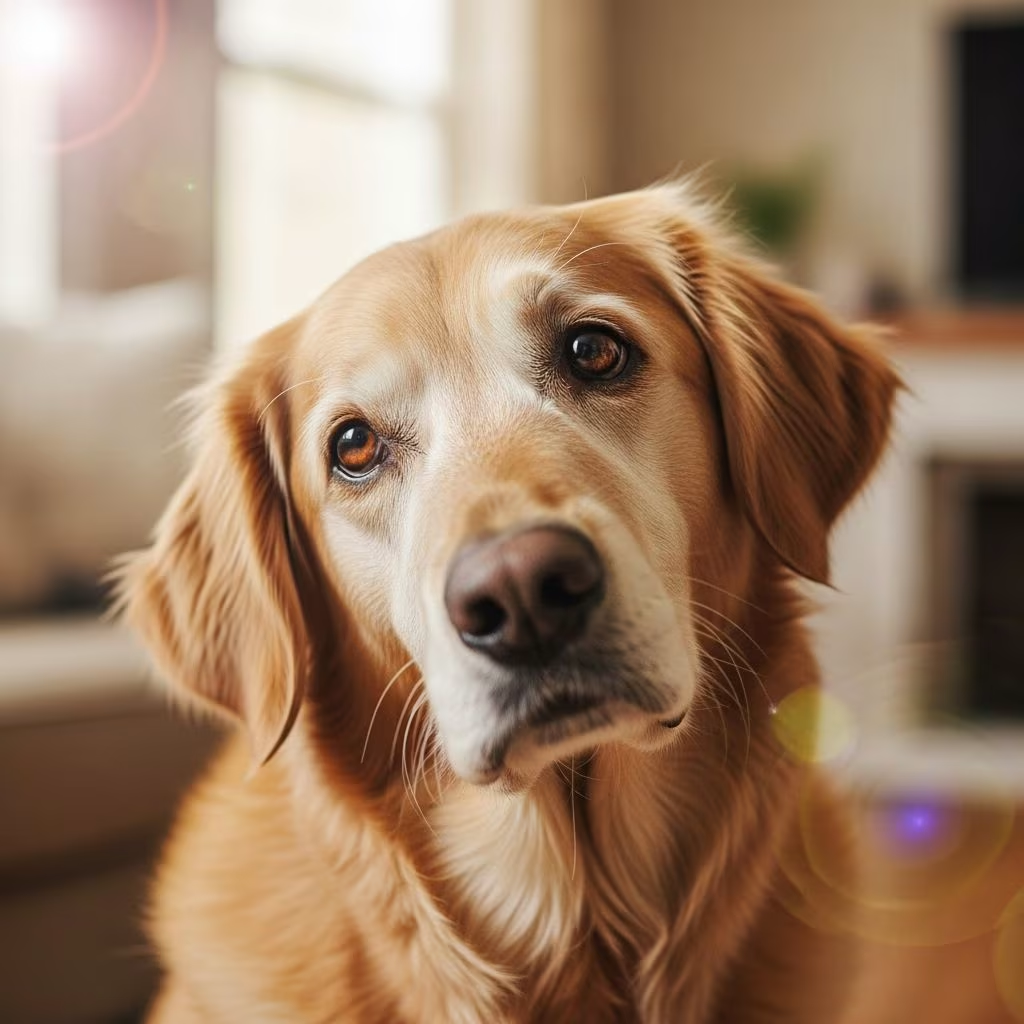
Vestibular disease disrupts a dog’s sense of balance, leading to alarming symptoms like stumbling, head tilting, and rapid eye movements. Often striking senior dogs suddenly, this condition stems from issues in the inner ear or brain, but many cases resolve with time and supportive care.
Understanding the Canine Vestibular System
The vestibular system, located in the inner ear and connected to the brain, maintains equilibrium, coordinates eye movements, and regulates head position. When malfunctioning, dogs experience vertigo-like sensations, making everyday activities challenging.
- Inner ear components: Semicircular canals detect rotation, while otoliths sense linear acceleration.
- Brain connections: Vestibular nuclei process signals for posture and gaze stability.
- Key role: Prevents falls and supports normal gait during running or turning.
Disruption here mimics human motion sickness, causing disorientation without pain.
Common Signs of Vestibular Disruption in Canines
Symptoms appear abruptly, peaking within 24-48 hours before gradual improvement over days to weeks. Owners often mistake them for strokes or poisoning.
| Symptom | Description | Frequency |
|---|---|---|
| Head tilt | Persistent lean to one side | Very common |
| Nystagmus | Rapid, involuntary eye flicking | Hallmark sign |
| Ataxia | Staggering or wide-based stance | Most dogs |
| Circling | Continuous turning in one direction | Frequent |
| Falling/rolling | Inability to stand upright | Severe cases |
| Nausea/vomiting | Loss of appetite, drooling | Common |
Additional clues include preferring hard floors for stability and reluctance to drink.
Peripheral vs. Central Vestibular Disorders
Vestibular issues divide into peripheral (inner ear) and central (brainstem/cerebellum), affecting prognosis and urgency.
- Peripheral: 80-90% of cases in older dogs; often idiopathic with rapid recovery (1-3 weeks).
- Central: Signals serious problems like tumors or strokes; slower recovery, potential deficits.
Peripheral nystagmus is horizontal or rotary; central may be vertical, aiding differentiation.
Potential Triggers and Risk Factors
While idiopathic cases dominate seniors, identifiable causes include:
- Ear infections (otitis interna/media)
- Trauma or head injury
- Hypothyroidism
- Ototoxic drugs (e.g., certain antibiotics)
- Tumors (benign or malignant)
- Perforated eardrums
Breeds like German Shepherds and Dobermans show predisposition. Central triggers: inflammation (meningitis), strokes, brain masses.
When to Seek Immediate Veterinary Attention
Rush to the vet if symptoms include weakness, seizures, unequal pupils, or persist beyond 72 hours. Rule out life-threatening issues like brain bleeds.
- Horner’s syndrome: Drooped eye, small pupil (peripheral).
- Mentation changes: Confusion, blindness (central red flags).
Early exams prevent complications like aspiration pneumonia from vomiting.
Diagnostic Approaches for Accurate Identification
Vets start with history and neurologic exam, checking nystagmus direction and postural reactions.
- Otoscopic exam for ear debris/infection.
- Neurologic assessment: proprioception, cranial nerves.
- Bloodwork: thyroid levels, infection markers.
- Imaging: MRI/CT for central suspicions; radiographs for masses.
- Cerebrospinal fluid tap if inflammation suspected.
Idiopathic diagnosis follows exclusion of treatable causes in seniors.
Treatment Strategies Tailored to Cause
Therapy targets root issues; idiopathic cases need only support.
- Symptomatic relief: Antiemetics (Cerenia), sedatives (acepromazine) for severe disorientation.
- Infection: Antibiotics, ear cleaning.
- Hypothyroidism: Thyroid supplements.
- Severe cases: IV fluids, hospitalization.
Corticosteroids lack evidence and risk side effects. Most recover fully without drugs.
Home Care Essentials for Recovery
Provide a safe environment during the acute phase (first 72 hours).
- Confine to small, padded area to prevent injury.
- Assist with feeding: elevate bowls, hand-feed soft food.
- Support mobility: sling under belly for walks.
- Monitor hydration: syringe water if needed.
- Clean accidents gently; express bladder if immobile.
- Prevent nausea: small, frequent meals.
Improvement signals return to normalcy; residual head tilt may persist harmlessly.
Prognosis and Long-Term Management
Idiopathic peripheral cases: 95% full recovery in 2-3 weeks. Central varies by cause—tumors may recur.
| Type | Recovery Time | Full Resolution Rate |
|---|---|---|
| Idiopathic Peripheral | 1-3 weeks | High (95%+) |
| Infection-Related | 1-4 weeks | Good with treatment |
| Central (Tumor/Stroke) | Weeks to months | Variable |
Follow-up checks ensure no progression.
Preventive Measures and Breed Considerations
No sure prevention, but manage risks:
- Regular ear checks, especially in floppy-eared breeds.
- Thyroid screening for at-risk seniors.
- Avoid ototoxic meds without vet oversight.
- Prompt trauma treatment.
High-risk breeds benefit from annual neuro exams post-8 years.
Frequently Asked Questions (FAQs)
Is vestibular disease fatal in dogs?
No, it’s rarely fatal and most dogs recover completely, though central cases need monitoring.
Can young dogs get vestibular disease?
Yes, but uncommon; usually peripheral from infections or trauma.
How long do symptoms last?
Peak at 24-48 hours; improvement by day 3, full recovery 1-3 weeks.
Should I give my dog motion sickness meds at home?
Only vet-prescribed; self-treatment risks masking serious issues.
Will my dog’s head tilt go away completely?
Often yes, but mild permanent tilt is common and doesn’t affect quality of life.
Supporting Your Dog Through Balance Recovery
Patience and gentle care turn scary episodes into stories of resilience. Consult vets promptly, provide steady support, and celebrate small wins like first unassisted steps. With time, most dogs bounce back to joyful romps.
References
- Vestibular Disease in Dogs — VCA Animal Hospitals. Accessed 2026. https://vcahospitals.com/know-your-pet/vestibular-disease-in-dogs
- Vestibular Disease in Dogs: Signs, Symptoms & Treatment — Broadway 4 Pets. 2021-09-15. https://www.broadway4pets.com/site/blog/2021/09/15/vestibular-disease-in-dogs
- Treatment for Vestibular Disease in Dogs — Carolina Veterinary Specialists Rock Hill. 2020-11-27. https://www.rock-hill.carolinavet.com/site/blog/2020/11/27/treatment-vestibular-disease-in-dogs
- Understanding Dog Vestibular Disease — Compass Veterinary Neurology. Accessed 2026. https://compassvetneurology.com/blog/vestibular-disease-in-dogs/
- Vestibular Disease in Dogs – Signs, Symptoms & Treatment — Carolina Veterinary Specialists Matthews. 2020-06-30. https://www.matthews.carolinavet.com/site/pet-health-blog/2020/06/30/vestibular-disease-dog
- 7 Things for Pet Parents to Know about Vestibular Disease in Dogs — Southeast Veterinary Neurology. Accessed 2026. https://sevneurology.com/blog/vestibular-disease-in-dogs
- Vestibular Disease in Dogs – What You Need to Know — Metro-Vet. Accessed 2026. https://metro-vet.com/references/vestibular-disease/



