

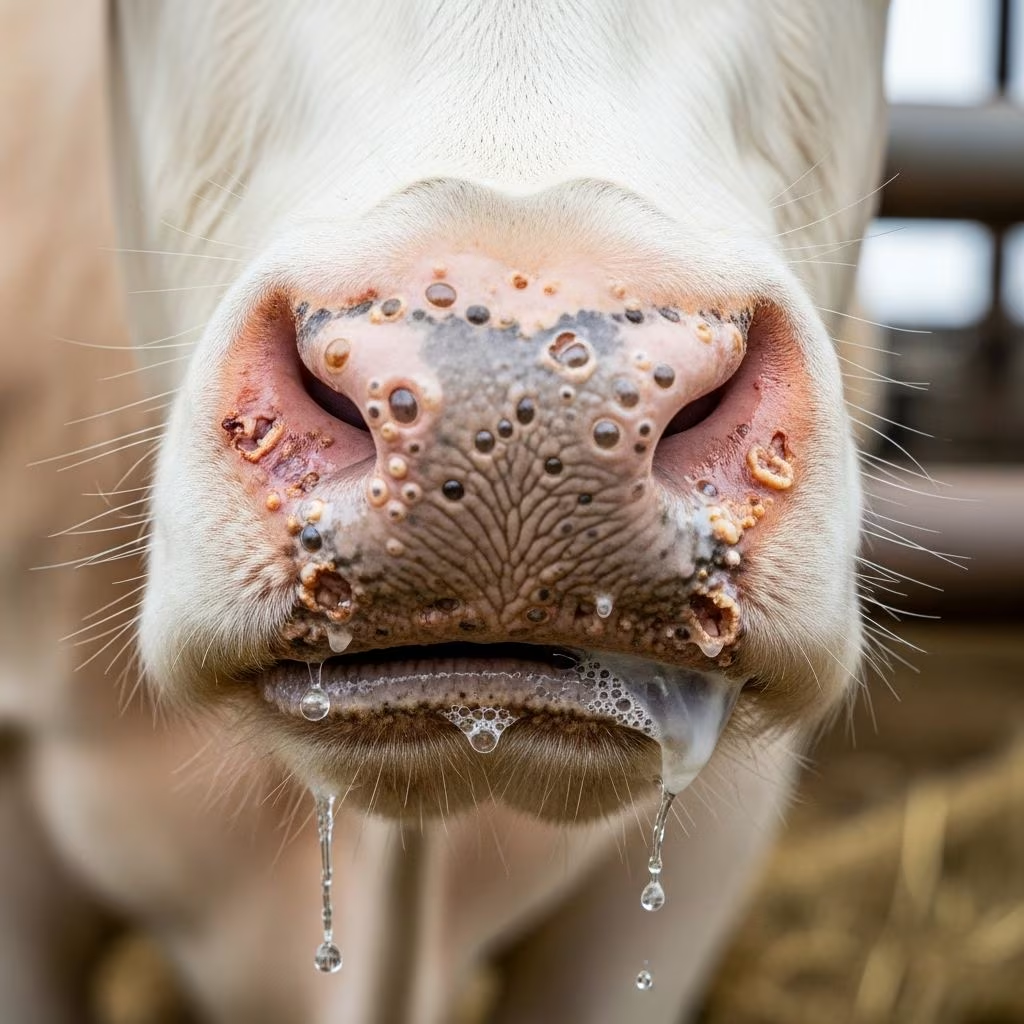
Vesicular stomatitis is a viral disease primarily affecting cattle, horses, and swine, characterized by painful blisters in the mouth and on extremities that lead to significant discomfort and production losses.
Understanding the Viral Culprit
The disease stems from the vesicular stomatitis virus (VSV), an RNA virus in the Rhabdoviridae family, with two main serotypes: New Jersey and Indiana. These viruses thrive in warm environments and are enzootic in regions of South and Central America, sporadically emerging northward into the United States during summer months.
VSV transmission occurs through multiple routes, including direct contact with infected animals’ saliva, lesion fluids, or contaminated fomites like feed troughs and grooming tools. Biting insects such as black flies, sand flies, and midges serve as biological vectors, amplifying spread during peak insect activity. Unlike some viruses, VSV is not shed in urine, feces, or milk, concentrating shedding in active oral and skin lesions.
Recognizing Early Warning Signs
Incubation lasts 2-8 days post-exposure, with initial signs including fever and excessive salivation due to discomfort from forming vesicles. Blisters appear as raised, fluid-filled lesions on the tongue, gums, lips, dental pad, and inner cheeks, progressing to rupture and form raw ulcers.
- Oral lesions: Blanched vesicles that burst, causing drooling (ptyalism), foul breath, and reluctance to eat or drink.
- External lesions: Blisters on nostrils, ears, teats, udders, sheath, and coronary bands (hoof-skin junction), leading to lameness in severe cases.
- Systemic effects: Transient fever, weight loss from anorexia, and occasional nasal discharge or laminitis from coronary band involvement.
Horses often show pronounced frothing at the mouth and depression, while cattle may exhibit swollen muzzles and hoof pain that hampers movement. Prompt recognition prevents escalation, as lesions peak in contagiousness within 48-72 hours of appearance.
Diagnostic Approaches for Confirmation
Clinical presentation mimics foot-and-mouth disease (FMD), necessitating lab confirmation to avoid regulatory quarantines. Veterinarians collect vesicle swabs, epithelial tags, or blood for virus isolation, PCR testing, or serology detecting IgM/IgG antibodies.
| Method | Description | Advantages |
|---|---|---|
| Virus Isolation | Culture from lesion material | Gold standard for active infection |
| PCR/RT-PCR | Detects viral RNA | Rapid, high sensitivity |
| Serology (ELISA, CF) | Antibody detection in serum | Confirms exposure; paired samples for acuity |
Positive results alongside compatible signs confirm VS, guiding quarantine decisions. State veterinarians often coordinate testing during outbreaks.
Supportive Care Strategies
No antiviral cure exists; management focuses on symptom relief and secondary infection prevention. Most cases resolve in 1-3 weeks with good husbandry.
- Pain management: Anti-inflammatories (e.g., flunixin meglumine) reduce swelling and discomfort.
- Nutritional support: Offer softened feeds like grain mashes, hay cubes soaked in water, or high-energy gruels to encourage intake.
- Lesion care: Rinse mouths with mild antiseptics; swab ulcers with 1-2% Lugol’s iodine; spray feet with copper sulfate and teats with antibiotic solutions.
- Secondary infections: Broad-spectrum antibiotics if bacterial/fungal complications arise.
- Environmental adjustments: Provide shade, clean water, and isolation to minimize stress and spread.
Monitor debilitated animals closely; intravenous fluids may be needed for dehydration. Mortality is rare, but neglect can prolong recovery.
Outbreak Control and Biosecurity Measures
Quarantine premises upon suspicion: Separate clinical cases by stabling, halt animal movements for 30 days post-lesion healing (or direct to slaughter), and disinfect equipment.
Insect control is pivotal—use repellents, screens, and residual sprays during dusk/dawn peaks. Avoid communal water sources and shared tack. No licensed U.S. vaccines exist due to sporadic incidence and natural immunity post-recovery.
Economic and Regulatory Impacts
Outbreaks trigger USDA/APHIS alerts, embargoes on interstate movement, and market disruptions. Feeder cattle values drop from weight loss; horses face show/exhibition bans. Report suspicions immediately to state animal health officials for rapid containment.
Species-Specific Considerations
Cattle and Dairy Herds
Dairy cows suffer mastitis risk from teat lesions, reducing milk yield. Cull affected animals judiciously; pasteurization inactivates VSV in milk.
Horses and Performance Animals
Lameness sidelines riding stock; recovery timelines (2-4 weeks) disrupt training. Experimental vaccines unapproved.
Swine and Other Species
Pigs show claw lesions mimicking FMD; rare in U.S. but monitor intensively reared groups.
Seasonal Patterns and Risk Factors
U.S. cases cluster July-September in southwestern states, linked to insect vectors and animal imports. Overcrowding, stress, and wet conditions exacerbate spread. Historical data shows self-limiting waves without endemic establishment.
FAQs on Vesicular Stomatitis
What triggers VS outbreaks in the U.S.?
Sporadic northward incursions from endemic zones, vectored by insects during warm seasons.
Is VS zoonotic?
Rare human cases occur via lesion contact, causing flu-like symptoms; use PPE.
How long are animals contagious?
Highly so during lesion presence (up to 72 hours peak), shedding ceases post-healing.
Can VS cause permanent damage?
Rarely; most recover fully, though laminitis may occur in hooves.
What if I suspect VS on my farm?
Isolate animals, contact vet/state officials immediately—do not move stock.
Long-Term Prevention Roadmap
Implement year-round biosecurity: Rotate pastures, vaccinate against co-infections, scout for insects early. Educate herdsmen on lesion vigilance. Post-outbreak, serosurvey sentinels to confirm clearance.
By prioritizing surveillance and supportive protocols, producers mitigate VS’s transient but disruptive effects, safeguarding herd health and profitability.
References
- Vesicular Stomatitis – MSU Extension Animal and Range Science — Montana State University Extension. 2023. https://animalrangeextension.montana.edu/equine/vesicular_stomatitis.html
- Disease Alert: Vesicular Stomatitis — USDA APHIS. 2024-06-12. https://www.aphis.usda.gov/livestock-poultry-disease/cattle/vesicular-stomatitis
- What Livestock Owners Should Know About Vesicular Stomatitis — South Dakota State University Extension. 2023. https://extension.sdstate.edu/what-livestock-owners-should-know-about-vesicular-stomatitis
- Vesicular Stomatitis — Oregon Veterinary Medical Association. 2024. https://www.oregonvma.org/care-health/equine-and-livestock/health-safety/vesicular-stomatitis
- Vesicular Stomatitis | Viral Disease in Cattle and Horses — Texas Veterinary Medical Foundation. 2023. https://www.tvmf.org/articles/vesicular-stomatitis/
- Vesicular Stomatitis — UC Davis School of Veterinary Medicine. 2024. https://ceh.vetmed.ucdavis.edu/health-topics/vesicular-stomatitis
- Vesicular Stomatitis Factsheet — Center for Food Security and Public Health, Iowa State University. 2005 (authoritative reference, periodically reviewed). https://www.cfsph.iastate.edu/Factsheets/pdfs/vesicular_stomatitis.pdf



