
Vesicular Stomatitis In Horses: Comprehensive Guide
Essential guide to recognizing, managing, and preventing this painful viral disease in equines.
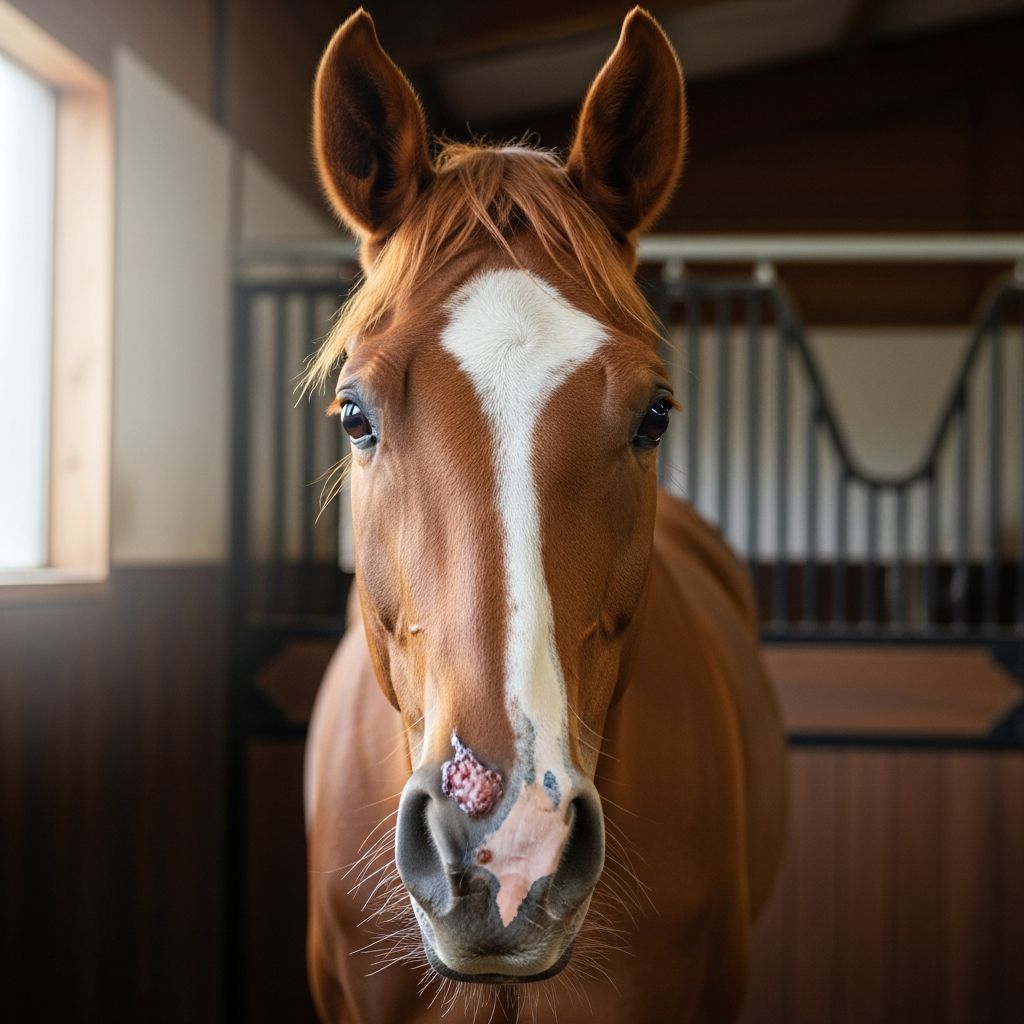
Vesicular stomatitis (VS) is a viral infection that primarily targets the mouth and mucous membranes of horses, leading to painful blisters and ulcers. Caused by the vesicular stomatitis virus (VSV), it affects equines seasonally, especially in warmer regions, and requires prompt management to minimize spread and discomfort.
Understanding the Viral Culprit Behind VS
The vesicular stomatitis virus belongs to the Rhabdoviridae family, closely related to rabies virus, but it is far less severe in outcome for horses. Two main serotypes—New Jersey and Indiana—circulate, with the Indiana type more common in equines. The virus thrives in epithelial tissues, particularly those in the oral cavity, where it replicates rapidly after entry.
Infection begins when the virus invades skin or mucosal cells, causing cell death and fluid accumulation between skin layers. This results in the formation of fluid-filled vesicles within 24-48 hours of viral activity, though full clinical signs may take 2-8 days post-exposure. Horses serve as amplifying hosts, but the virus originates from insect vectors or direct contact during outbreaks.
Recognizing Early Warning Signs
Horses infected with VS often show subtle initial symptoms before the hallmark blisters appear. Fever may spike early, accompanied by excessive drooling or frothing at the mouth due to discomfort. Affected animals frequently refuse feed, leading to rapid weight loss if untreated.
- Oral lesions: Blisters on lips, gums, tongue, and inner cheeks that rupture into raw ulcers.
- Extra-oral sites: Sores on coronary bands (causing lameness), udder, sheath, or ventral abdomen.
- Behavioral changes: Reluctance to eat or drink, head tossing, and profuse salivation.
Lesions start as raised vesicles, progress to erosions, and eventually crust over. Coronary band involvement can mimic laminitis, while teats may lead to secondary mastitis. Prompt veterinary examination is crucial to differentiate VS from similar conditions like foot-and-mouth disease or equine viral arteritis.
How the Virus Spreads Among Horses
VS transmission occurs via multiple routes, making it highly contagious in close-knit herds. Biting insects such as black flies, sand flies, and midges act as primary vectors, mechanically transferring virus from lesions to new hosts during feeding.
Direct contact amplifies spread: saliva, blister fluid, and nasal secretions harbor high viral loads. Shared equipment like bits, halters, and water troughs facilitate fomite transmission. Aerosol spread is minimal, but wounds increase susceptibility.
Outbreaks peak in late spring through fall in the southwestern U.S., correlating with insect activity and wet conditions. Imported cases occasionally appear elsewhere via travel. Humans rarely contract mild flu-like symptoms from handling infected horses, emphasizing glove use.
Accurate Diagnosis: Tests and Veterinary Protocols
Diagnosis combines clinical signs with lab confirmation, as VS resembles other vesicular diseases reportable to authorities. Veterinarians swab lesions for PCR testing to detect viral RNA or isolate the virus in culture. Serology via blood samples identifies antibodies, confirming exposure.
During outbreaks, regulatory quarantines activate; horses test negative via paired sera (acute and convalescent samples) before release. Differential diagnoses include chemical burns, pemphigus, or bacterial stomatitis, ruled out by history and histopathology.
Supportive Care Strategies for Recovery
No antiviral cure exists for VS; management focuses on symptom relief and complication prevention. Most cases resolve in 10-14 days, but severe oral pain demands intervention.
| Treatment Aspect | Recommended Interventions | Benefits |
|---|---|---|
| Pain and Inflammation | Phenylbutazone or flunixin meglumine (NSAIDs) | Reduces swelling, eases chewing |
| Nutrition Support | Softened feeds, mashes, or soaked hay cubes | Encourages intake, prevents weight loss |
| Hydration | IV fluids if refusing water | Averts dehydration and colic |
| Wound Care | Dilute chlorhexidine rinses | Prevents secondary bacterial infections |
| Secondary Infections | Topical/systemic antibiotics if pus present | Manages bacterial overgrowth |
Monitor for complications like impaction colic from poor intake or laminitis from hoof lesions. Foals and aged horses may need intensive care.
Quarantine and Biosecurity Essentials
Isolate affected horses immediately for at least 14 days post-last lesion crusting. Use dedicated PPE: gloves, disposable coveralls, and boot dips with disinfectants effective against enveloped viruses (bleach, quaternary ammonium).
- Separate feed/water buckets and grooming tools.
- Disinfect stalls, tack, and trailers thoroughly.
- Restrict horse movement and visitor access during outbreaks.
Report suspected cases to state veterinarians, as VS triggers movement holds.
Proven Prevention Tactics for Horse Owners
Proactive measures curb VS incidence significantly. Insect control forms the cornerstone: eliminate standing water, manure piles, and use fly sheets, masks, and repellents.
Maintain herd health with balanced nutrition, deworming, and vaccinations against unrelated diseases. Avoid overcrowding and shared equipment. During high-risk seasons, house horses in screened barns at dusk when vectors peak.
No vaccine exists, but surveillance via USDA programs aids early detection.
Long-Term Outlook and Rare Complications
Prognosis is excellent; over 90% recover fully without sequelae. Severe cases risk dehydration, colic, or laminitis, but mortality is under 1%. Reinfection possible upon re-exposure, though immunity lasts months. Lesions heal progressively: vesicles rupture in days, ulcers epithelialize in weeks.
Frequently Asked Questions (FAQs)
Is vesicular stomatitis fatal in horses?
No, it is rarely fatal with supportive care. Complications like severe dehydration are uncommon.
Can humans catch VS from horses?
Yes, but symptoms are mild (flu-like). Wear gloves and avoid lesion fluids.
How long is a horse contagious with VS?
Until lesions heal and crust, typically 10-14 days. Virus sheds from active sites.
Does VS affect horse performance?
Temporarily; pain causes short-term inappetence and lameness, but full recovery restores normalcy.
What if my horse has mouth sores—could it be VS?
Consult a vet immediately for testing, especially in endemic areas.
This guide empowers horse owners to navigate VS confidently, blending veterinary science with practical steps for healthier herds.
References
- Vesicular Stomatitis in Horses — PetMD. 2023. https://www.petmd.com/horse/conditions/mouth/vesicular-stomatitis-horses
- Vesicular stomatitis in horses — Colorado State University Veterinary Teaching Hospital. 2024-02-15. https://vetmedbiosci.colostate.edu/vth/animal-health/vesicular-stomatitis-in-horses/
- Vesicular Stomatitis in Horses: Causes, Transmission & … — Mad Barn. 2023-05-10. https://madbarn.com/vesicular-stomatitis-in-horses/
- Vesicular Stomatitis Virus in Horses — New Mexico State University. 2022. https://pubs.nmsu.edu/_b/B717/index.html
- Vesicular Stomatitis (VS): Outbreak Mitigation — Kansas State Veterinary Health Center. 2019-07-01. https://www.ksvhc.org/services/equine/timely-topics/trailtalk-July2019-vs.html
- Vesicular Stomatitis — UC Davis Center for Equine Health. 2024. https://ceh.vetmed.ucdavis.edu/health-topics/vesicular-stomatitis
- Vesicular Stomatitis in Horses – Horse Owners — MSD Veterinary Manual. 2025-01-20. https://www.msdvetmanual.com/horse-owners/infectious-diseases-of-horses/vesicular-stomatitis-in-horses
Similar Articles








Read full bio of medha deb


