

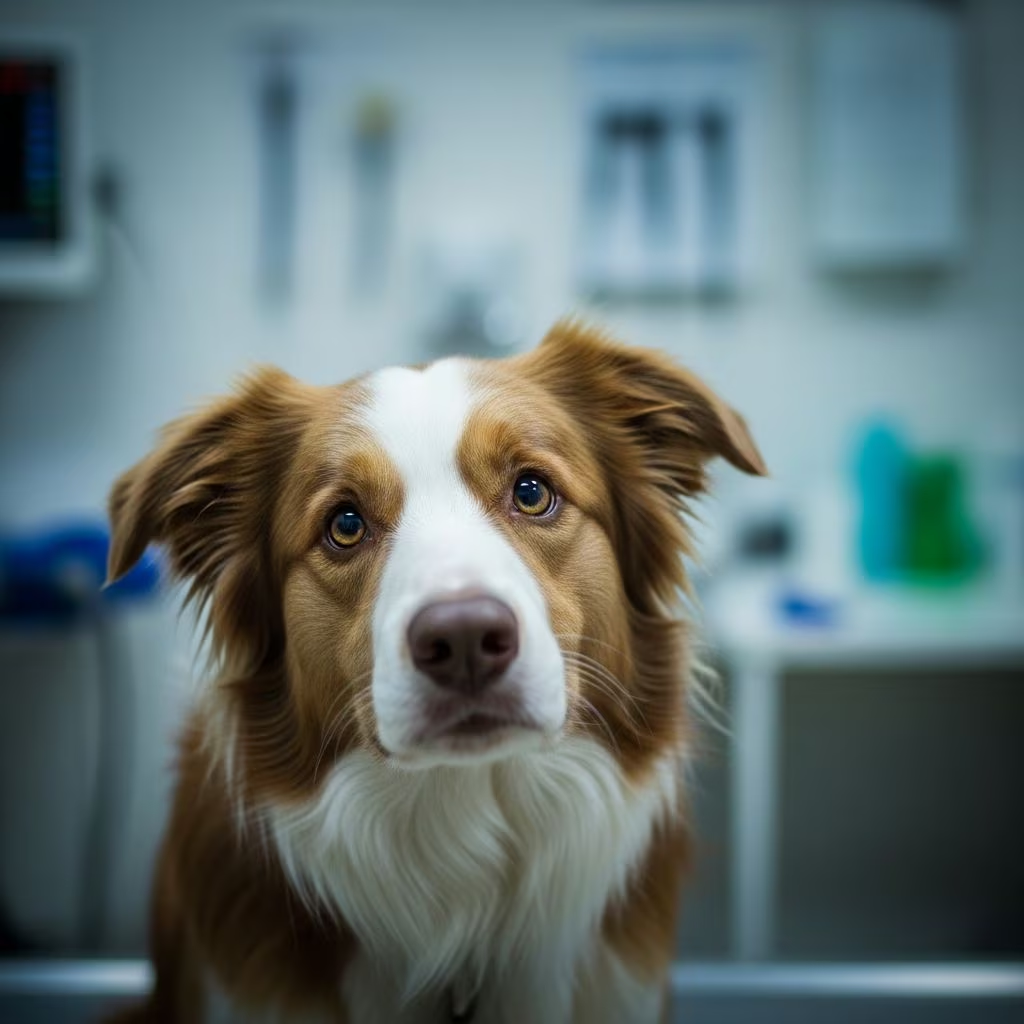
Vertigo in dogs, often manifesting as vestibular disease, causes sudden disorientation, head tilting, and loss of balance, mimicking a human spinning sensation. This condition affects the vestibular system responsible for equilibrium, leading to alarming symptoms that require prompt veterinary attention for proper diagnosis and management.
What Is Vertigo in Dogs?
Vertigo refers to a sensation of spinning or imbalance due to dysfunction in the vestibular system, which includes the inner ear and brain structures coordinating balance, spatial awareness, and eye movements. In dogs, this results in clinical signs like nystagmus (rapid involuntary eye movements), head tilt, and ataxia (uncoordinated gait). The condition can be peripheral, involving the inner ear, or central, affecting the brainstem or cerebellum.
Peripheral vestibular disease is more common and often idiopathic, especially in senior dogs, while central causes are rarer but more serious, potentially linked to neurological issues. Early recognition is crucial as most cases, particularly idiopathic ones, resolve with supportive care within days to weeks.
Symptoms of Vertigo in Dogs
Dogs with vertigo exhibit dramatic symptoms that appear suddenly, often overnight, causing significant distress to both pet and owner. Common signs include:
- Head tilt: The dog’s head leans persistently to one side, sometimes dramatically.
- Loss of balance: Falling, rolling to one side, or standing with wide-spread legs (ataxia).
- Nystagmus: Abnormal, rapid eye flicking, often horizontal or rotary.
- Nausea and vomiting: Due to motion sickness-like sensations.
- Reluctance to eat, drink, or walk: Dogs may appear confused, anxious, or unwilling to move.
- Circling or leaning: Walking in tight circles toward the affected side.
These symptoms can be terrifying, with some dogs unable to stand or collapsing frequently. Severity varies; mild cases allow walking with wobbling, while severe ones require assistance.
Causes of Vertigo in Dogs
Vestibular disease divides into peripheral (inner ear-related) and central (brain-related) categories, each with distinct causes and prognoses.
Peripheral Vestibular Disease
This affects the inner/middle ear and is the most frequent type. Key causes include:
- Idiopathic (“old dog” vestibular disease): No known cause, common in dogs over 8 years, onset sudden, often resolves spontaneously.
- Ear infections (otitis media/interna): Bacterial or yeast infections inflame the inner ear.
- Head/ear trauma: Injuries disrupting ear structures.
- Tumors or polyps: Benign or malignant growths in the ear.
- Hypothyroidism: Endocrine imbalance affecting balance.
- Ototoxic drugs: Medications like metronidazole damaging the inner ear.
Central Vestibular Disease
Involves the brain, indicating more severe underlying issues:
- Brain tumors or neoplasia: Growths pressing on vestibular centers.
- Infections/inflammation: Meningoencephalitis or abscesses.
- Stroke or vascular events: Blood flow disruptions.
- Tick-borne diseases: Such as Lyme disease affecting the CNS.
Distinguishing peripheral from central is vital; peripheral cases have better outcomes.
Diagnosis of Vertigo in Dogs
Veterinarians start with a thorough neurological exam to localize the lesion (peripheral vs. central). Signs like normal mentation and horizontal nystagmus suggest peripheral disease; vertical nystagmus or proprioceptive deficits indicate central issues.
Diagnostic tests include:
- Bloodwork, urinalysis, and thyroid panels to rule out systemic causes.
- Ear cytology/culture for infections.
- Chest X-rays and blood pressure checks.
- Advanced imaging: MRI or CT to visualize brain/ear structures.
- Cerebrospinal fluid (CSF) analysis for inflammation/neoplasia.
For idiopathic cases, especially in old dogs, minimal testing suffices if exam supports peripheral origin, as most recover without intervention.
Treatment for Vertigo in Dogs
Treatment targets the underlying cause while providing supportive care. Idiopathic peripheral cases often need only symptom management.
Supportive and Palliative Care
Mainstay for most cases:
- Anti-nausea meds: Maropitant (Cerenia) 1-2 mg/kg daily, or ondansetron (Zofran).
- Motion sickness drugs: Meclizine (Bonine) for dizziness.
- IV fluids: For dehydration, at 2 mg/kg/h adjusted for needs.
- Sedatives: If severely disoriented.
Home nursing: Assist with mobility, hand-feed soft foods, provide non-slip mats, padded bedding, and a quiet space to prevent injury.
Cause-Specific Treatments
| Cause | Treatment |
|---|---|
| Ear infection | Antibiotics, ear cleaning |
| Hypothyroidism | Thyroid hormone supplementation |
| Central (tumor/stroke) | Steroids, surgery, or oncology referral; poor prognosis |
Corticosteroids lack evidence for routine use and are not recommended. Betahistine may aid vertigo by improving blood flow, though less common in vets.
Recovery and Prognosis
Idiopathic cases improve in 72 hours, with full recovery in 1-3 weeks; mild head tilt may persist. Central cases vary by cause—treatable infections recover well, tumors poorly. Recurrence is possible but rare. Monitor for worsening signs needing re-evaluation.
Rehabilitation includes balance exercises, like wobbly cushions, once stable, to hasten recovery.
Preventing Vertigo in Dogs
No sure prevention for idiopathic vertigo, but minimize risks:
- Regular ear checks and cleaning to prevent infections.
- Tick prevention for disease avoidance.
- Thyroid screening in at-risk breeds.
- Avoid ototoxic drugs unless necessary.
Senior wellness exams catch issues early.
When to See a Vet for Dog Vertigo
Seek immediate care for sudden head tilt, circling, or collapse—don’t wait, as central causes need urgent intervention. Emergency if vomiting persists, seizures occur, or weakness affects all limbs.
Frequently Asked Questions (FAQs)
Can vertigo in dogs be fatal?
Rarely; most idiopathic cases resolve fully. Central causes like tumors carry higher risks.
How long does old dog vestibular disease last?
Symptoms peak in 24-48 hours, improve in days, resolve in 1-4 weeks.
Is vestibular disease painful for dogs?
Not typically painful, but nausea and disorientation cause distress; supportive care alleviates this.
Can dogs recover from central vestibular disease?
Depends on cause—yes for infections/strokes, less likely for tumors.
What home remedies help dog vertigo?
Supportive: quiet space, assistance eating/walking, ginger for mild nausea (vet-approved).
References
- Dog Vertigo: Signs and Can It Be Treated — SEV Neurology. 2023. https://sevneurology.com/blog/dog-vertigo
- Vestibular Syndrome In Dogs: Treatment Options — Paws at Peace. 2023. https://pawsatpeace.com/vestibular-syndrome-in-dogs/
- Current definition, diagnosis, and treatment of canine and feline idiopathic vestibular syndrome — PMC (NCBI). 2023-10-12. https://pmc.ncbi.nlm.nih.gov/articles/PMC10556701/
- Causes & Symptoms of Vestibular Disease in Dogs — Carolina Veterinary Specialists. 2020-06-10. https://www.winston-salem.carolinavet.com/site/pet-health-advice-blog/2020/06/10/causes-symptoms-of-vestibular-disease-in-dogs
- Vestibular Disease in Dogs — VCA Animal Hospitals. 2023. https://vcahospitals.com/know-your-pet/vestibular-disease-in-dogs
- Understanding Dog Vestibular Disease — Compass Veterinary Neurology. 2023. https://compassvetneurology.com/blog/vestibular-disease-in-dogs/



