

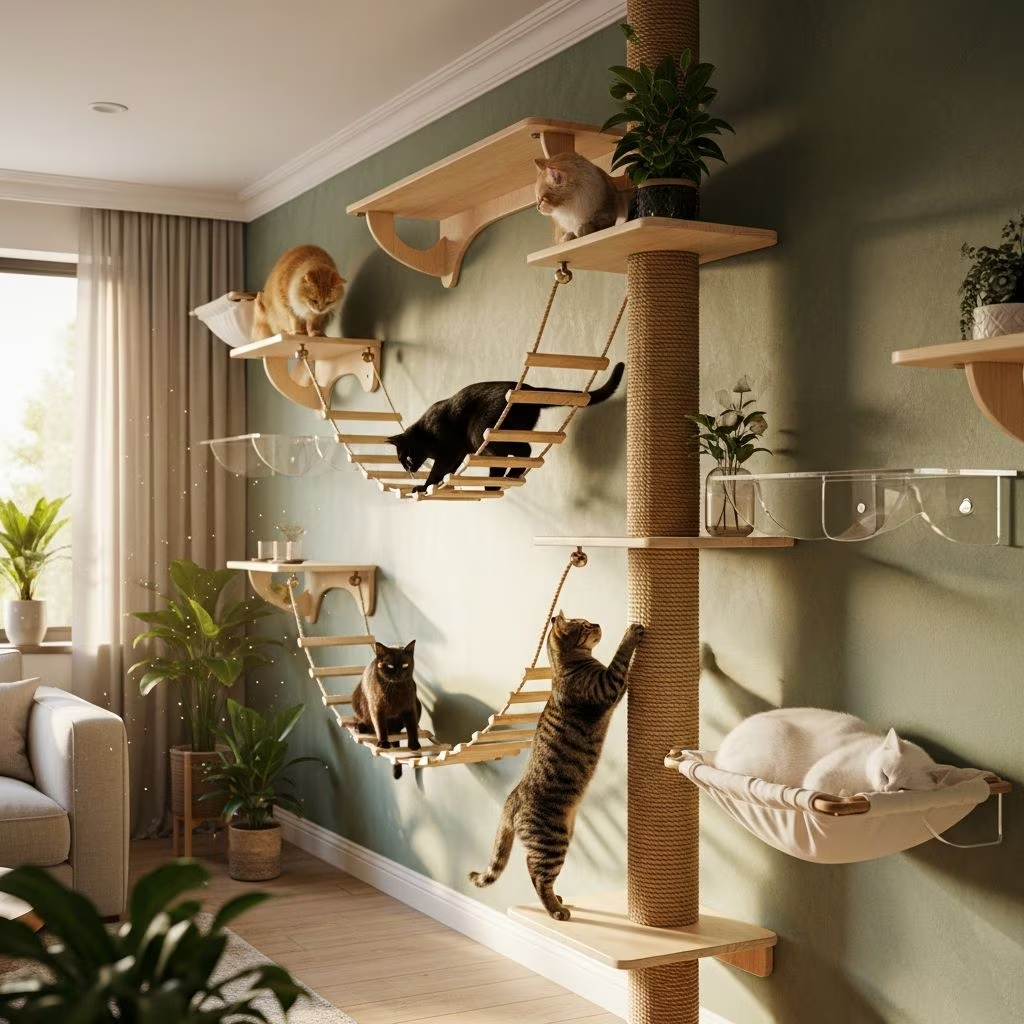
Cats are natural climbers that thrive in three-dimensional environments, making vertical space essential for their physical health, mental well-being, and behavioral satisfaction. Providing elevated perches, shelves, and cat trees mimics their wild instincts, helping indoor cats stay active, secure, and stress-free.
Why Cats Need Vertical Space
Cats evolved as solitary hunters in vast territories, relying on height for observation, escape, and control. In modern homes, especially small apartments or multi-cat households, floor space alone fails to meet these needs, leading to stress, obesity, and destructive behaviors. Vertical space expands their perceived territory, reduces conflicts, and promotes natural movement.
According to veterinary insights, height provides a ‘safe zone’ where cats monitor their domain without confrontation, crucial for semi-social felines. The American Veterinary Medical Association (AVMA) reports obesity affects 60% of U.S. domestic cats, largely due to sedentary indoor lifestyles—vertical structures counter this by encouraging climbing and jumping.
Physical Benefits of Vertical Space
Access to elevated areas keeps cats agile and fit. Climbing strengthens muscles, improves coordination, and supports joint health, preventing issues like arthritis and diabetes. Dr. Susan Nelson from Kansas State University notes that vertical structures exercise muscles and joints, aiding weight management.
For kittens, it develops motor skills; for seniors, low platforms maintain mobility without strain. Studies show enriched vertical environments reduce obesity risks and enhance overall vitality.
- Muscle and Joint Health: Jumping builds core strength and flexibility.
- Weight Control: Natural exercise burns calories, combating indoor inactivity.
- Age-Specific Benefits: Ramps for older cats ensure accessibility.
Psychological and Behavioral Benefits
Elevated spots reduce anxiety by offering escape from threats like dogs, children, or noises. Dr. Tony Buffington from Ohio State University emphasizes that vertical space creates a ‘three-dimensional environment’ for control, curbing aggression and litter box issues.
In multi-cat homes, it minimizes territorial disputes by allowing each cat to claim a perch, fostering peace. Research from the Waltham Centre for Pet Nutrition demonstrates that vertical screens decrease unfriendly behaviors while maintaining social interactions. Boredom-related scratching or overgrooming drops as cats engage hunting instincts through exploration.
| Benefit | Impact | Expert Support |
|---|---|---|
| Safety & Security | Escape from stressors | Dr. Buffington, Ohio State |
| Territory Expansion | Reduces multi-cat tension | Dr. Mikel Delgado |
| Mental Stimulation | Prevents boredom | Waltham Study |
Vertical Space in Multi-Cat Households
Competition intensifies in shared spaces, but multi-level cat trees or shelves provide individual territories, slashing fights. Dr. John Bradshaw explains height as a territorial claim, vital for harmony. Vertical options make small homes feel expansive from a cat’s view. ASPCA notes high perches add calming enrichment in limited areas.
Ideas for Vertical Space
- Cat Trees: Sturdy, multi-level with scratching posts and soft platforms for rest and play.
- Wall Shelves: Zigzag installations save floor space; ensure stability.
- Window Perches: Ideal for bird-watching, combining views with height.
- IKEA Hacks: Modified Kallax units create climbing screens, proven effective in studies.
- Floating Shelves: Custom paths for agile navigation.
Position near windows for stimulation or high-traffic areas for oversight.
How Much Vertical Space Do Cats Need?
Needs vary by home size, cat count, and activity level. In small spaces with multiple cats, abundant options are ‘prime real estate’. Aim for multiple perches per cat, at varying heights, permanently installed—removal increases stress. Active cats require more; provide at least 2-3 levels per feline.
Practical Tips for Providing Vertical Space
Veterinarians recommend stable, comfortable designs:
- Choose heavy-base cat trees to prevent tipping.
- Install shelves with brackets rated for 50+ lbs.
- Add carpet or sisal for grip and scratching.
- Incorporate ramps/steps for seniors or kittens.
- Space levels 12-18 inches apart for easy jumps.
Test stability and observe usage to refine setups.
DIY Vertical Space Solutions
Affordable hacks include plywood shelves, repurpose furniture, or tension rods for hammocks. Feline Engineering suggests creative stacking to maximize height without cost. Ensure all are secure to avoid falls.
Common Mistakes to Avoid
- Unstable Structures: Risk injury; anchor firmly.
- Inadequate Spacing: Too far apart discourages use.
- Removing Enrichment: Cats habituate; replace gradually.
- Ignoring Age/Mobility: Tailor heights appropriately.
Frequently Asked Questions (FAQs)
What is vertical space for cats?
Vertical space includes shelves, trees, and perches that allow cats to climb, offering territory, exercise, and security.
Why do indoor cats need vertical space?
Indoor cats lack outdoor climbing; it prevents obesity, stress, and boredom per AVMA and vets.
Is vertical space important in multi-cat homes?
Yes, it reduces conflicts by expanding territory and providing escape routes.
How do I install cat shelves safely?
Use heavy-duty brackets, test weight, and place at comfortable heights with soft landings.
Can senior cats use vertical space?
Absolutely—with low platforms or ramps to support joints.
Conclusion
Integrating vertical space transforms homes into cat paradises, supporting health and happiness. Vets unanimously endorse it for thriving indoor felines. Start small with a cat tree and expand based on your cat’s preferences.
References
- Why Cats Need Vertical Space: Veterinary Insights — RshPets (citing AVMA, Dr. John Bradshaw, Dr. Susan Nelson et al.). 2023. https://rshpets.com/blogs/cat-health-wellness/why-cats-need-vertical-space-veterinary-insights
- Get Them High: Vertical Space for Cats — Feline Engineering. Accessed 2026. https://felineengineering.com/blog/get-them-high-vertical-space-for-cats/
- How to Create the Ultimate Vertical Space for Your Feline Friend — Cat Advocate. 2019-10-18. https://www.cat-advocate.com/post/2019/10/18/vertical-space-for-cats
- Vertical Space is Good Enrichment for Cats — Companion Animal Psychology (citing Waltham Centre for Pet Nutrition study by Emma Desforges et al.). 2016-11. https://www.companionanimalpsychology.com/2016/11/vertical-space-is-good-enrichment-for.html
- Vertical Space for Cats — Animal Admiration Pet Care Services. 2024-10-19. https://animaladmiration.com/2024/10/19/vertical-space-for-cats/



