

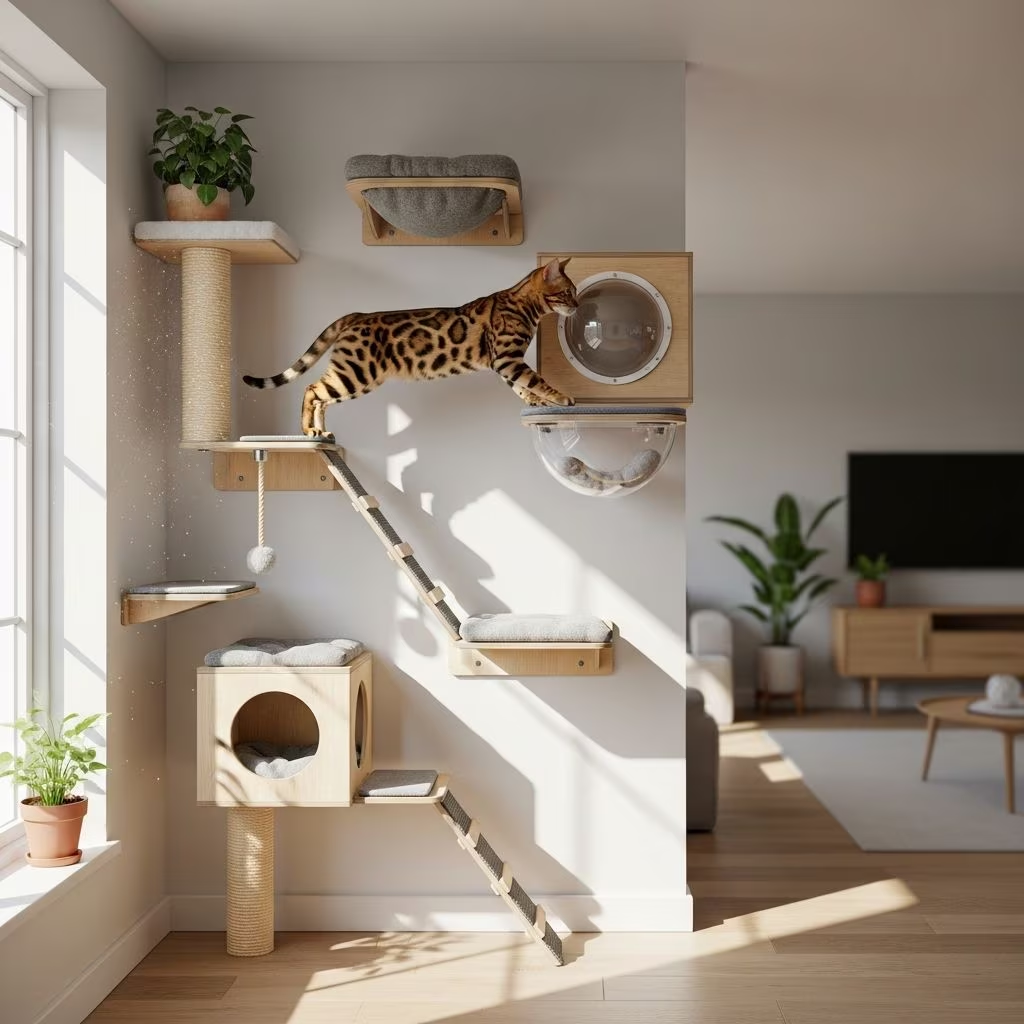
Indoor cats require adequate physical activity and mental stimulation to maintain optimal health and behavioral well-being. Traditional floor-based cat trees occupy valuable living space while often failing to engage cats’ natural climbing instincts fully. A growing trend among feline enthusiasts involves creating three-dimensional wall environments that maximize vertical space while providing comprehensive enrichment opportunities. These custom installations transform ordinary rooms into dynamic playgrounds specifically engineered for feline exploration and activity.
Understanding Feline Spatial Behavior and Environmental Needs
Cats are inherently vertical creatures. In natural environments, they spend significant time climbing trees, surveying their territories from elevated vantage points, and utilizing height as both a refuge and hunting advantage. Indoor cats retain these instinctual behaviors, yet standard household environments rarely accommodate these needs adequately. A well-designed wall-mounted play system addresses this behavioral gap by providing multiple climbing routes, observation platforms, and rest zones at varying heights.
Research into feline behavior indicates that environmental enrichment directly correlates with reduced stress, decreased destructive behaviors, and improved overall health outcomes. Cats benefit from opportunities to scratch, climb, perch, hide, and observe their surroundings—all functions that vertical structures naturally provide. When cats can fulfill these behavioral requirements, they experience greater contentment and exhibit fewer problematic behaviors such as inappropriate scratching or aggression.
Essential Materials and Surface Options
Selecting appropriate materials forms the foundation of a successful wall-mounted system. Material choice affects both durability and feline safety.
Primary Structural Materials
Wood serves as the most common foundational material for wall-mounted cat structures. It provides excellent durability, aesthetic appeal, and compatibility with various mounting systems. Hardwoods offer superior longevity compared to softwoods, though they require more substantial hardware for secure installation.
Metal components, particularly steel brackets and fasteners, provide the necessary support infrastructure. Quality hardware ensures structures withstand the repeated impact and stress from jumping cats. Heavy-duty brackets rated for appropriate weight capacity prevent structural failure and safety hazards.
Surface Coverings for Traction and Engagement
The surfaces cats directly contact significantly influence their willingness to utilize the structure. Sisal rope and sisal fabric represent optimal choices for climbing and scratching surfaces. These materials provide sufficient roughness for cats to grip securely with their claws while maintaining durability through repeated use. Sisal’s natural composition appeals to feline instincts, as it mimics the bark texture of tree trunks found in outdoor environments.
Cork represents an excellent alternative or complementary material. It offers natural traction, attractive appearance, and inherent antimicrobial properties. Cork surfaces provide comfortable platforms for lounging while supporting secure claw engagement during climbing activities.
Carpet can be incorporated for specific applications, though carpet typically wears faster than sisal or cork. When used, high-quality marine-grade or commercial carpet withstands feline activity better than residential varieties. Heavy-duty canvas also functions effectively for certain structural applications and provides textural variety.
Non-slip materials become essential on platforms where cats land after jumps. These surfaces prevent slipping injuries and encourage confident exploration of the structure.
Planning Your Vertical Design Framework
Successful implementation requires systematic planning before installation begins.
Assessing Your Space
Begin by evaluating the intended wall carefully. Measure wall dimensions, identify wall composition (drywall, plaster, masonry, or brick), and locate structural studs. Wall material determines mounting methodology and weight distribution capacity. Drywall requires stud placement for secure installation, while masonry and brick walls offer greater flexibility in mounting location placement. Understanding these foundational elements prevents installation failures and ensures long-term structural integrity.
Consider room traffic patterns, natural lighting, and window placement. Cats appreciate perches near windows for bird watching and natural light exposure. Positioning climbing structures to facilitate these preferred activities increases utilization rates and environmental engagement.
Defining Multiple Entry and Activity Zones
Effective designs incorporate multiple entry points and varied activity stations throughout the structure. Rather than a single linear climbing path, tiered systems allow cats to choose different routes based on their current interests and energy levels. Some cats prefer gradual staggered climbing, while others enjoy direct vertical ascents. Accommodating multiple pathways ensures all household cats, regardless of age or physical ability, can utilize the structure successfully.
Activity zones serve different functions: scratching stations, climbing challenges, perching platforms for observation, hammock or enclosed spaces for rest, and hiding cubbies for security. This functional diversity maintains engagement and encourages extended interaction with the environment.
Component Selection and Configuration
Building comprehensive structures requires understanding available components and their strategic placement.
| Component Type | Primary Function | Ideal Placement | Installation Considerations |
|---|---|---|---|
| Wall-Mounted Shelves | Perching and observation | Staggered heights, near windows | Requires stud installation; varying depths add interest |
| Scratching Poles | Scratching and climbing | Accessible entry points | Sisal-wrapped for optimal grip |
| Bridges and Walkways | Travel and connection | Between vertical elements | Non-slip surfaces essential for safety |
| Hammocks and Lounges | Resting and relaxation | Mid-level zones | Supportive hardware for weight distribution |
| Enclosed Cubbies | Security and hiding | Higher levels for retreat | Multiple entrance/exit options reduce stress |
| Floating Posts | Climbing challenge | Varied heights and locations | Extra-secure fastening required |
Installation Fundamentals and Best Practices
Proper installation ensures safety and longevity of the system.
Locating Structural Support
For drywall installations, locating wall studs becomes paramount. Use a reliable stud finder to identify vertical support members within the wall. Mark stud locations clearly before beginning installation. Components must attach directly to studs rather than relying on drywall anchors alone. Masonry or brick walls offer greater flexibility, as fasteners can be placed virtually anywhere using appropriate masonry bits and concrete screws.
Hardware Selection and Installation Sequence
Select fasteners and brackets rated for weights exceeding the combined mass of anticipated simultaneous cat occupancy. Begin installation from the lowest point and work upward, ensuring each component is fully secure before proceeding. This methodical approach prevents cascading failures if upper components encounter issues.
Use a level throughout installation to ensure platforms sit flat and safely. Angled or unstable surfaces create hazards and discourage utilization.
Accommodating Multiple Cats and Different Personalities
Households with multiple cats benefit from designs incorporating multiple activity zones and separate pathways. This redundancy prevents territorial conflicts and ensures all cats can engage with the environment simultaneously. Designs that offer both high-traffic bridges and secluded cubbies accommodate both social and solitary feline preferences.
Age and physical ability variations also influence design considerations. Younger, more athletic cats may prefer challenging jumps and high perches, while senior cats or those with mobility constraints need gradual climbing steps and stable, easily accessible platforms.
Budget-Conscious Alternatives and DIY Solutions
Comprehensive commercial systems represent significant investments. Creative DIY alternatives provide enrichment without premium pricing.
- Repurposed cardboard boxes: Cats naturally love boxes; arranging empty boxes in varied configurations provides immediate enrichment and climbing opportunities
- Reclaimed wood shelving: Salvaged wood pieces can be repurposed and mounted to create functional perches and pathways
- Toilet paper roll toys: Empty cardboard tubes stuffed with tissue paper and treats provide hunting enrichment
- Paper-based hiding spaces: Crinkled paper and paper bags appeal to hunting instincts and provide inexpensive sensory engagement
- DIY hammocks: Canvas or heavy fabric stretched between mounting points creates comfortable lounging zones at a fraction of commercial costs
Maintenance and Long-Term Care
Regular maintenance extends structure lifespan and ensures continued safety.
Inspect mounted components regularly for signs of wear, particularly at stress points and attachment hardware. Replace worn sisal wrapping and damaged surfaces promptly. Clean surfaces periodically to remove dust, hair, and debris. This maintenance routine prevents deterioration and keeps cats engaged with well-maintained structures.
Introducing Cats to New Environments
After installation completes, allow cats time to gradually explore and acclimate to the new structure. Use treat placement and interactive play to encourage investigation. Some cats immediately embrace the environment, while others require days or weeks to fully investigate and utilize all features. Patience during this acclimation period typically results in enthusiastic long-term engagement.
Frequently Asked Questions
What wall types are suitable for mounting cat structures?
Drywall, masonry, brick, and concrete walls all accommodate cat structures with appropriate fastening methods. Drywall requires stud location, while masonry walls offer greater placement flexibility. Consult wall composition before selecting installation hardware.
How much weight can typical mounted shelves support?
Quality wall-mounted shelves rated for cat use typically support 50-100+ pounds when properly installed into studs or masonry. Always verify hardware weight ratings before installation and never exceed manufacturer specifications.
Are wall-mounted systems appropriate for apartments?
Yes, though renters should confirm lease terms permit wall modifications. Damage-free systems using removable adhesive hardware exist, though they provide less stability than permanent installation. Discuss options with landlords before proceeding.
How long does installation typically require?
Simple two-component systems may install in 1-2 hours, while comprehensive multi-component designs require 4-8 hours or more. Complexity, wall type, and individual skill level affect installation duration.
Can existing wall decorations be incorporated?
Absolutely. Cat structures integrate well with artwork, shelving, and other wall features when planned thoughtfully. Design layouts that complement existing décor create cohesive room aesthetics while meeting feline enrichment goals.
References
- Environmental Enrichment for Indoor Cats — International Society of Feline Medicine. 2024. https://isfm.net/
- How to Create a DIY Cat Playground Under Quarantine — Deziroo. 2020. https://deziroo.com/blogs/pawsitive-connections/how-to-create-a-diy-cat-playground-under-quarantine



