

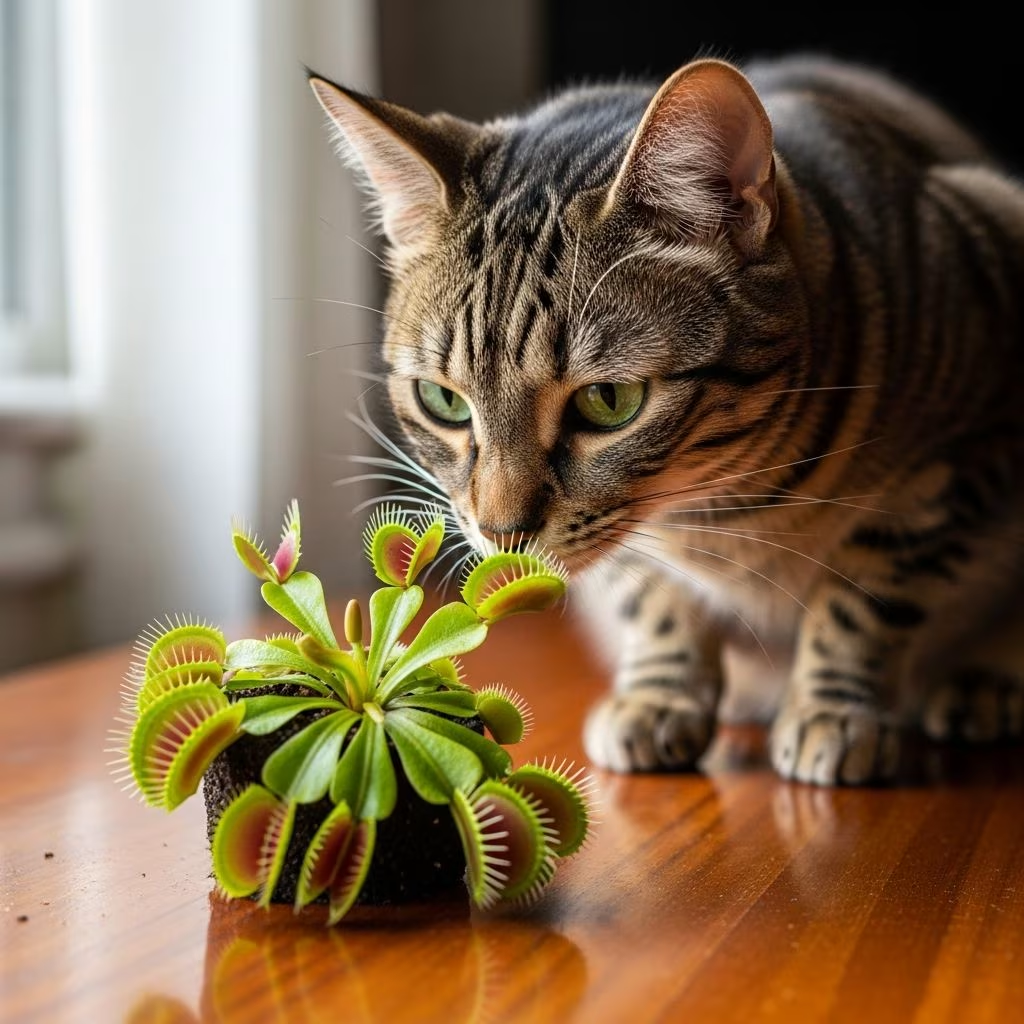
Venus flytraps, with their dramatic snapping traps, captivate plant lovers, but cat owners often worry about potential hazards. These carnivorous wonders are classified as non-toxic to cats by authoritative sources like the ASPCA, meaning they lack harmful chemicals that could poison felines. However, physical irritation from chewing remains a minor concern, prompting cat guardians to adopt smart precautions for peaceful coexistence.
Understanding the Venus Flytrap Plant
Native to the nutrient-poor bogs of North and South Carolina, Dionaea muscipula evolved as a carnivorous specialist. Its leaves form hinged jaws lined with sensitive trigger hairs and edged with sharp spines. When an insect brushes the hairs twice within seconds, the trap snaps shut, sealing the prey for digestion via enzymes over several days. This adaptation supplements the plant’s diet in soil lacking nitrogen and phosphorus.
Indoors, Venus flytraps thrive in bright, indirect light with high humidity and distilled water to mimic their wild habitat. They reset traps after 4-6 uses, entering dormancy in cooler months. Their appeal lies in this active hunting display, but the rigid structure raises questions for multi-pet homes.
Safety Assessment: Non-Toxic Status Confirmed
Reliable pet health organizations unanimously deem Venus flytraps safe for cats. The ASPCA lists Dionaea muscipula as non-toxic to cats, dogs, and horses, based on extensive toxicological data. Pet poison control centers report no severe cases from ingestion; at worst, mild gastrointestinal upset occurs.
Unlike true toxic plants, Venus flytraps produce no mammalian-targeting alkaloids, saponins, or cardiac glycosides. Their enzymes, like proteases, break down insect proteins but pass harmlessly through a cat’s robust digestive system. A compound called plumbagin exists in trace amounts, potentially irritating if consumed in quantity, but real-world incidents show negligible impact.
| Aspect | Venus Flytrap | Common Toxic Plants |
|---|---|---|
| Toxicity Level | Non-toxic (ASPCA) | High (e.g., lilies cause kidney failure) |
| Main Risk | Mild mechanical irritation | Chemical poisoning |
| Reported Cases | No fatalities; minor symptoms | Frequent ER visits |
Potential Effects of Cat-Plant Interactions
While chemically benign, the plant’s texture can provoke reactions. Cats nibbling traps may experience:
- Mouth or gum redness from spiny edges scraping delicate tissues.
- Excessive salivation as a response to irritation or unfamiliar taste.
- Mild vomiting if plant fibers upset the stomach lining.
- Pawing at face indicating discomfort.
These symptoms typically resolve within hours without intervention. Rare historical reports mention two cats dying after ingestion in 2000, but causation was unconfirmed amid confounding factors. Modern veterinary consensus prioritizes monitoring over alarm.
Protecting Your Feline from Flytrap Temptations
Prevention trumps reaction. Strategic placement deters playful pounces:
- Elevate pots on tall shelves, wall mounts, or悬挂 baskets beyond leap range.
- Employ natural repellents: scatter citrus rinds, sprinkle cayenne, or spray diluted vinegar—cats abhor these odors.
- Divert attention with cat grass, silver vine toys, or interactive feeders mimicking hunt behaviors.
- Install motion-activated air puffers near plants for gentle discouragement.
For multi-plant setups, designate cat-free zones using baby gates or furniture barriers. Regular training reinforces boundaries, rewarding ignorance of greenery.
Immediate Steps If Interaction Occurs
Spotting your cat batting a trap? Act promptly but calmly:
- Inspect and rinse: Gently check mouth for debris; offer water or ice cubes to soothe.
- Observe closely: Note drooling, lethargy, or appetite changes for 24 hours.
- Call professionals: If vomiting persists, diarrhea emerges, or behavior alters, consult your vet or ASPCA Poison Control (888-426-4435).
No antidotes exist due to non-toxicity, but vets may suggest anti-nausea meds for comfort. Document the incident for records.
Beyond Venus Flytraps: Carnivorous Plant Safety Overview
Most carnivores share this benign profile:
- Pitcher plants (Sarracenia): Non-toxic; drowning risk minimal for cats.
- Sundews (Drosera): Sticky but harmless; trace plumbagin like flytraps.
- Butterworts (Pinguicula): Safe, with mild enzyme irritation possible.
Verify via ASPCA lists before acquisition. Exceptions like certain tropical varieties warrant caution.
Common Toxic Houseplants to Avoid
Contrastingly hazardous greenery abounds. Steer clear of:
| Plant | Toxicity Effects | Severity |
|---|---|---|
| Lilies (Lilium spp.) | Kidney failure | Fatal without prompt care |
| Philodendron | Oral burns, swelling | Moderate |
| Dieffenbachia | Mouth inflammation | Moderate |
| Aloe Vera | Lethargy, diarrhea | Mild to severe |
Cross-reference additions with pet-safe databases.
Cultivating Venus Flytraps Safely with Cats
Optimal care enhances resilience against feline assaults. Use unglazed terracotta for humidity, pure water to prevent mineral buildup, and 40-60% peat-perlite mix. Feed sparingly—live insects 1-2 times weekly during growth. Dormancy at 35-45°F mimics seasons, promoting longevity. Healthy plants rebound from minor cat damage.
Community growers report thriving setups via enclosed terrariums, visible yet inaccessible. Pair with UV grow lights for year-round vigor in low-light homes.
Expert Insights from Veterinary Toxicology
Veterinarians emphasize context: cats self-limit unpalatable plants. ASPCA data shows flytraps rank low in call volume versus ubiquitous toxics. A holistic home—enriched scratching posts, vertical spaces—curbs plant interest. Annual wellness checks flag predispositions like pica.
Frequently Asked Questions
Will a Venus flytrap hurt my cat if triggered?
No, traps lack strength to injure; cats easily withdraw paws or noses.
Can cats die from eating Venus flytraps?
Extremely unlikely; isolated unverified cases exist, but ASPCA confirms non-toxicity.
Are baby kittens at higher risk?
Younger cats explore more orally, so extra vigilance applies, but risks remain minimal.
How do I train my cat to ignore the plant?
Use positive reinforcement: redirect to toys, ignore attention-seeking swats consistently.
Which carnivorous plants should cat owners avoid?
Most are safe; confirm specifics via ASPCA, avoiding unlisted hybrids.
Harmonizing Plants and Pets Long-Term
Integrating Venus flytraps rewards observant owners with nature’s theater minus peril. Proactive habits foster environments where cats prowl harmlessly amid greenery. Consult vets for tailored advice, ensuring every household member flourishes.
References
- Are Venus Flytraps Toxic to Cats? — Zoorithm. 2023. https://www.zoorithm.com/cats/are-venus-fly-traps-toxic-to-cats
- The Carnivorous Plant FAQ: Are Venus flytraps a danger to my pets? — Sarracenia.com. 2001 (authoritative ongoing resource). https://www.sarracenia.com/faq/faq2740.html
- Are Venus Flytraps Poisonous to Cats? Vet-Reviewed — Catster. 2023. https://www.catster.com/cat-health-care/are-venus-flytraps-poisonous-to-cats/
- Are carnivorous plants toxic to cats? — Carnivory.eu. 2023. https://www.carnivory.eu/en/blogs/carnivorous-plant-facts/are-carnivorous-plants-toxic-to-cats/
- Venus Fly Trap – Toxic and Non-toxic Plants — ASPCA (official .org). Accessed 2026. https://www.aspca.org/pet-care/aspca-poison-control/toxic-and-non-toxic-plants/venus-fly-trap



