

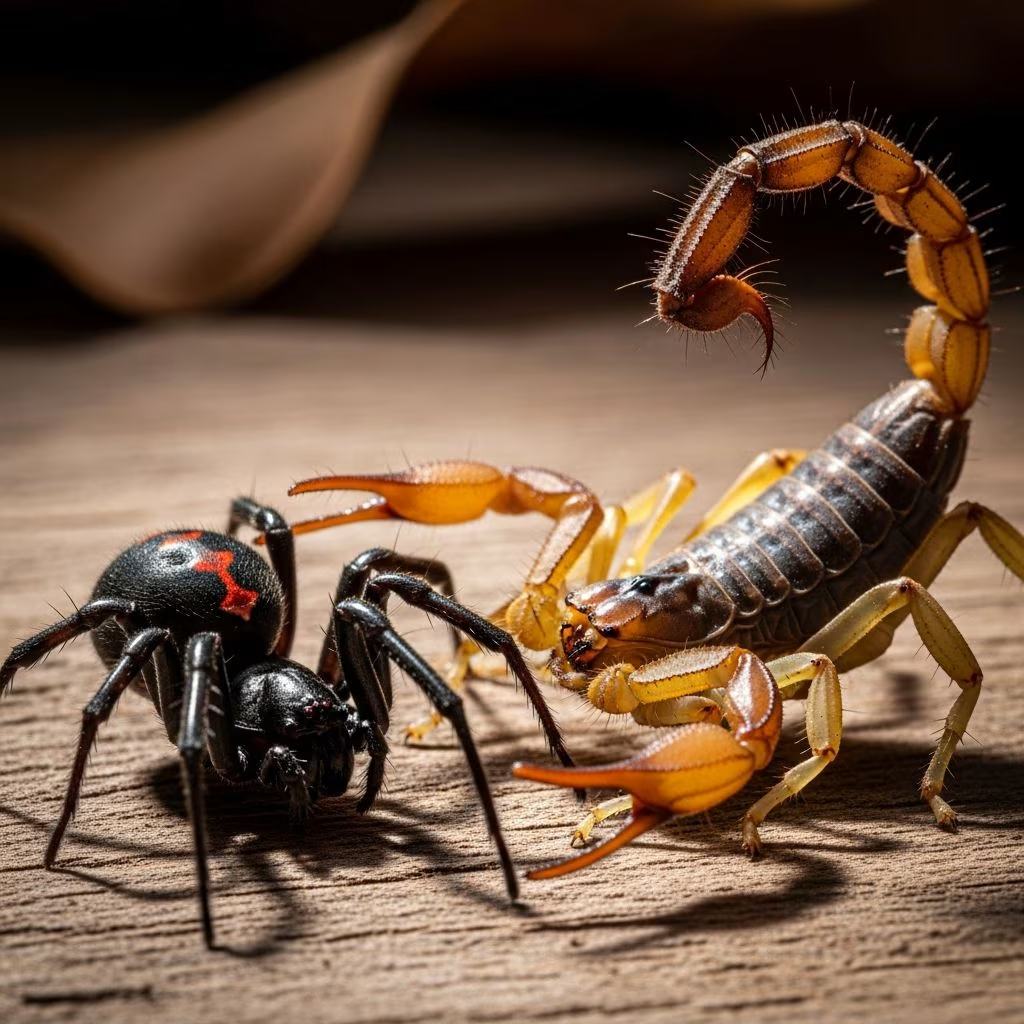
Arachnid envenomations from spiders and scorpions represent a notable concern in veterinary practice, particularly in regions where venomous species thrive. While most encounters result in mild reactions, certain bites and stings can lead to severe systemic effects in dogs, cats, horses, and other animals. Understanding the biology of these toxins, recognizing clinical presentations, and applying timely interventions are crucial for successful management.
Key Arachnid Species Threatening Animals
North America hosts several arachnids capable of harming pets. Widow spiders (Latrodectus species, including the black widow) and recluse spiders (Loxosceles species, such as the brown recluse) dominate spider-related incidents. Scorpions, especially the Arizona bark scorpion (Centruroides sculpturatus), pose stings risks primarily in southwestern states.
- Widow Spiders: Found across the US, these small, shiny black spiders with red hourglass markings deliver potent neurotoxins.
- Recluse Spiders: Light brown with a violin-shaped mark, prevalent in the central and southern US, known for necrotic venom.
- Bark Scorpions: Pale yellow, nocturnal dwellers in arid areas, with stingers causing neurotoxic effects.
Mechanisms of Arachnid Venoms
Spider and scorpion venoms are complex cocktails of peptides, enzymes, and ions evolved for prey immobilization and defense. Spider venoms often target nerve synapses or cause tissue destruction, while scorpion venoms disrupt ion channels.
| Venom Type | Primary Components | Target Effects |
|---|---|---|
| Black Widow | Alpha-latrotoxin | Neurotransmitter release overload, muscle cramping |
| Brown Recluse | Sphingomyelinase D | Tissue necrosis, hemolysis |
| Bark Scorpion | Neurotoxins on Na/K channels | Autonomic overstimulation, pain |
Alpha-latrotoxin from widow spiders triggers massive neurotransmitter discharge, depleting stores and causing synaptic blockade. Recluse venom’s enzymes activate complement and promote thrombosis, leading to ischemic necrosis. Scorpion peptides block sodium and potassium channels, causing hyperexcitability.
Clinical Manifestations in Companion Animals
Spider Bite Symptoms
Bites often start subtly. Black widow envenomation may present with abdominal pain, rigidity, and tremors within hours. Dogs show resistance but can develop weakness; cats and horses suffer intense spasms. Brown recluse bites evolve slowly: initial pallor forms a bull’s-eye lesion, progressing to ulceration over days. Systemic issues like anemia or coagulopathy are infrequent in pets.
- Painless puncture initially
- Erythema, blistering in 2-8 hours
- Necrotic eschar in severe cases
Scorpion Sting Reactions
Stings cause immediate, sharp pain with local swelling. Bark scorpion cases in dogs typically limit to edema and agitation, but systemic signs include salivation, tachycardia, and hypertension. Cats may exhibit twitching or vocalization.
In veterinary patients, severe outcomes are rare outside endemic areas, but monitoring for respiratory distress is essential.
Diagnosis Strategies
Diagnosis relies on history, clinical signs, and lesion appearance. No routine tests confirm envenomation, but differentials include trauma, infection, or allergic reactions. For recluse bites, biopsy reveals necrosis; scorpion stings may show leukocytosis.
- Geographic exposure history
- Visual identification of arachnid if possible
- Serial exams for progression
Treatment Protocols
Supportive care forms the cornerstone: pain control with opioids, wound cleaning, and monitoring vital signs. Antivenom exists for bark scorpion (Anascorp), effective if given early, though rarely needed in vets.
Spider Bite Management
Clean bites, apply cold packs. Surgical debridement for necrotic lesions only after demarcation (weeks later). Systemic latrodectism treated with benzodiazepines for spasms, IV fluids.
Scorpion Sting Care
Analgesics (buprenorphine), antihistamines for swelling. Monitor ECG for arrhythmias; prazosin may mitigate autonomic storm in severe cases.
| Envenomation Type | First-Line Treatments | Advanced Options |
|---|---|---|
| Widow Spider | Opioids, muscle relaxants | Latrodectus antivenom (human) |
| Recluse Spider | Wound care, antibiotics if infected | Dapsone (controversial), surgery |
| Bark Scorpion | Analgesics, observation | Anascorp antivenom |
Species-Specific Vulnerabilities
Dogs tolerate widow venom better than cats, which develop profound rigidity. Horses show colic-like symptoms. Small mammals like guinea pigs are highly susceptible. Scorpions affect most mammals similarly, with pain predominant.
Prevention for Pet Owners
- Seal home cracks, use gloves in woodpiles
- Shake shoes/outdoor gear
- Educate on regional risks
- Supervise pets in endemic zones
Environmental controls reduce encounters significantly.
FAQs
Are all spider bites dangerous to pets?
No, only specific species like widows and recluses cause notable harm; most are benign.
How soon after a scorpion sting do symptoms appear?
Immediately for pain, systemic effects within hours if occurring.
Can I treat a brown recluse bite at home?
No, seek veterinary care to prevent complications.
Is antivenom common for pets?
Rarely, due to cost and efficacy window; supportive therapy suffices.
What if my pet shows no symptoms after a bite?
Monitor 24-48 hours, as delayed reactions possible.
Long-Term Prognosis
Most cases resolve fully with care. Necrotic wounds may scar, but mortality is low in treated animals. Early intervention prevents escalation.
References
- Spider and Scorpion Bites in Animals — Merck Veterinary Manual. 2023. https://www.merckvetmanual.com/toxicology/venomous-arthropods/spider-and-scorpion-bites-in-animals
- Pain-related toxins in scorpion and spider venoms — PMC (NCBI). 2021-12-01. https://pmc.ncbi.nlm.nih.gov/articles/PMC8667759/
- Global Spider and Scorpion Envenomation Management (CPG ID: 84) — Joint Trauma System (health.mil). 2021-02-09. https://jts.health.mil/assets/docs/cpgs/Global_Spider_and_Scorpion_Envenomation_Management_09_Feb_2021_ID84.pdf
- Scorpion Toxicity — StatPearls (NCBI Bookshelf). 2023. https://www.ncbi.nlm.nih.gov/books/NBK430928/
- Spider Bites and Venoms — The Australian Museum. 2023. https://australian.museum/learn/animals/spiders/spider-bites-and-venoms/



