Velveteen Lop Rabbit Care: Nutrition & Habitat Essentials
Complete guide to raising healthy, happy Velveteen Lop rabbits
Comprehensive Care Guide for Velveteen Lop Rabbits
Velveteen Lop rabbits have become increasingly popular as companion animals for families and individuals seeking a gentle, affectionate pet. These small, sturdy rabbits are characterized by their distinctive drooping ears and soft, plush coats that give them their signature velvet-like appearance. Understanding the specific needs of Velveteen Lops is essential for providing them with a comfortable, healthy, and enriched life. This guide covers all aspects of their care, from nutritional requirements to environmental setup and behavioral considerations.
Understanding Your Velveteen Lop Rabbit
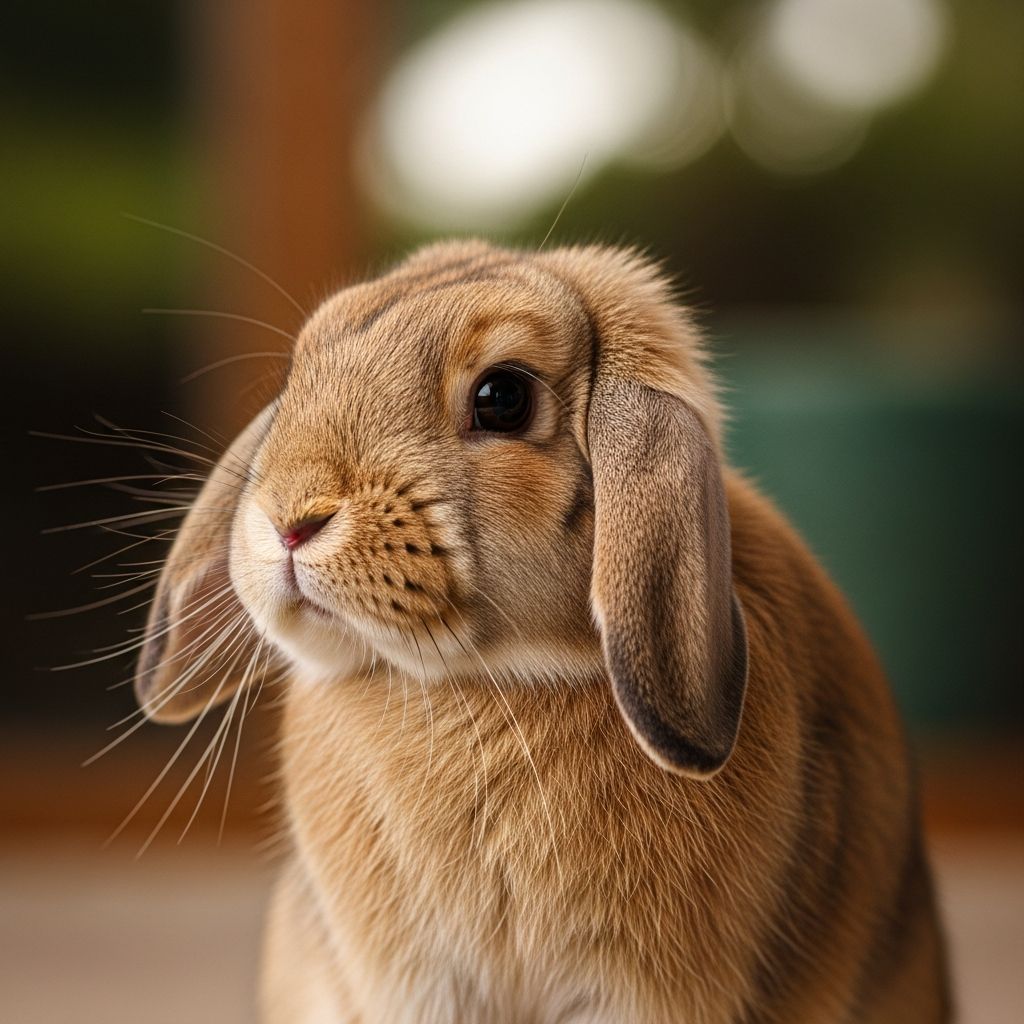
Velveteen Lops are medium-sized rabbits known for their calm temperament and social nature. They typically weigh between 4 to 5 pounds when fully grown, making them manageable for most households. Their distinctive appearance includes long, velvety ears that hang close to their heads and compact bodies covered in dense, short fur. These rabbits are intelligent and responsive to human interaction, which makes them excellent choices for first-time rabbit owners who are willing to invest time in learning proper care techniques.
The lifespan of a Velveteen Lop typically ranges from 5 to 10 years with appropriate care and attention. This relatively long lifespan means that adopting or purchasing a Velveteen Lop is a significant commitment that requires planning and dedication. Understanding their individual personality traits and preferences will help you build a strong, lasting relationship with your pet.
Establishing a Nutritional Foundation
Proper nutrition is the cornerstone of Velveteen Lop health and longevity. Unlike many other pets, rabbits require a diet that differs significantly from commercial pet food recommendations found on typical pet food packaging. A well-balanced diet supports digestive health, maintains dental function, and prevents obesity—a common issue in lop-eared rabbits.
Primary Dietary Components
The foundation of any rabbit diet should be high-quality hay. Grass-based hays such as timothy hay, orchard grass, or meadow hay should comprise approximately 80% of your Velveteen Lop’s daily intake. Hay provides essential fiber that promotes healthy digestion and helps naturally wear down the rabbit’s continuously growing teeth. Fresh hay should be available throughout the day and night, as rabbits graze naturally in small amounts rather than consuming large meals.
Fresh leafy greens make up approximately 10% of the recommended diet and should be rotated regularly to provide nutritional variety. Suitable options include romaine lettuce, kale, cilantro, basil, and other dark leafy vegetables. These vegetables provide vitamins and minerals while maintaining the fiber content necessary for digestive health. Avoid lettuce varieties that are primarily water, such as iceberg lettuce, as these provide minimal nutritional value.
High-quality rabbit pellets should constitute only about 5% of your rabbit’s diet, typically amounting to approximately ¼ cup per day. Look for pellets with high fiber content (minimum 18% fiber) and check ingredient lists to ensure they contain primarily grass-based materials rather than fillers. While pellets are convenient, an over-reliance on pellets can contribute to obesity and digestive issues.
Treats, including fresh fruits and dried vegetables, should be limited to approximately 5% of the daily diet. Fruits such as apples, bananas, and berries can be offered in small quantities, typically 1 to 2 tablespoons per day. Fresh water must be available at all times, either through a water bottle with a ball bearing or a ceramic water bowl that is regularly cleaned and refilled.
Creating an Appropriate Living Environment
The physical environment where your Velveteen Lop lives directly impacts their physical and psychological well-being. Rabbits are sensitive to temperature fluctuations, stress, and inadequate space, all of which can lead to behavioral problems and health issues.
Hutch and Enclosure Requirements
A minimum enclosure size of 4 feet by 2 feet is recommended for a single Velveteen Lop. However, larger enclosures are always preferable, as rabbits are naturally active animals that benefit from space to move and explore. The enclosure should be at least three to four times the full length of the rabbit to allow for adequate hopping and movement. The hutch or cage should feature solid flooring rather than wire flooring, which can cause foot sores and discomfort.
Bedding material plays an important role in comfort and health. Soft, absorbent bedding such as paper-based pellet litter or aspen shavings creates a comfortable surface while absorbing moisture and odors. Avoid cedar and pine shavings, as these contain aromatic compounds that can irritate rabbit respiratory systems. The enclosure should be cleaned regularly to maintain hygiene and prevent the buildup of ammonia from urine.
Temperature control is critical for Velveteen Lops, as their large ears make them particularly susceptible to heat stress and frostbite. Maintain the environment between 60 and 70 degrees Fahrenheit in a dry location away from direct sunlight and drafts. Provide shade during warmer months and ensure proper ventilation to prevent the development of respiratory issues.
Environmental Enrichment
Enrichment activities prevent boredom and behavioral problems while promoting physical exercise. Provide tunnels, hiding boxes, and chew toys within the enclosure to encourage natural foraging and exploration behaviors. Rotate toys regularly to maintain novelty and engagement. Natural wood branches, untreated wicker baskets, and cardboard boxes provide excellent chewing opportunities that also help maintain dental health by wearing down continuously growing teeth.
Exercise and Physical Activity
Velveteen Lops are active rabbits that require regular exercise to maintain healthy body weight and prevent obesity-related complications. Daily exercise reduces stress, promotes cardiovascular health, and provides mental stimulation. Beyond time spent in their enclosure, rabbits should have access to a secure, rabbit-proofed play area for at least several hours each day.
When setting up a play area, ensure that all electrical cords are protected or hidden, toxic plants are removed, and escape routes are blocked. Rabbits can move surprisingly quickly and jump considerable distances, so supervise playtime to prevent injuries and accidents. Allow your Velveteen Lop to explore at their own pace, as forcing interaction can cause stress.
Some Velveteen Lops can be trained to walk on a harness and leash, which allows for supervised outdoor exploration and exercise. Start with short sessions indoors to acclimate your rabbit to the harness before attempting outdoor walks. Always supervise outdoor time closely, as predators, unfamiliar environments, and temperature extremes pose significant risks.
Grooming and Coat Maintenance
Although Velveteen Lops have short fur, their dense, plush coats require regular grooming to maintain health and appearance. Weekly brushing removes excess hair, prevents matting, and reduces shedding throughout your home. During seasonal shedding periods, daily brushing may be necessary to manage the volume of loose hair.
The large ears characteristic of Velveteen Lops require special attention and regular maintenance. Check ears weekly for signs of redness, excessive wax buildup, or foul odors that might indicate infection. Monthly ear cleaning using a vet-recommended solution helps prevent mites and bacterial infections common in lop-eared rabbits. To clean ears properly, gently wrap your rabbit in a towel, hold their ear upright, and carefully apply cleaning solution while massaging the base of the ear for 20 to 30 seconds. Use cotton balls to remove loosened debris, and allow your rabbit to shake their head naturally to expel remaining solution.
Nail trimming should occur every 1 to 2 months, or as needed when nails become visibly long. Use rabbit-specific nail clippers and be careful to avoid cutting into the pink quick visible inside the nail. If uncertain about proper technique, ask your veterinarian to demonstrate or perform the first trimming.
Rabbits are naturally clean animals and typically do not require baths. However, if excessive dirt accumulation occurs, spot-clean affected areas with a damp cloth rather than submerging your rabbit in water, which can cause stress and disrupt their natural temperature regulation.
Dental Health and Prevention
Rabbit teeth grow continuously throughout their lives, making dental health a critical consideration in Velveteen Lop care. Overgrown teeth can cause pain, difficulty eating, and serious health complications. Prevent dental problems by ensuring adequate hay consumption, which provides the necessary abrasiveness to naturally wear down teeth.
Check your rabbit’s teeth regularly by gently pulling back the lips to examine the front incisor teeth. Teeth should be straight, not excessively long, and should not curl inward. Additionally, massage your rabbit’s cheeks periodically to feel for abnormal bumps or sharp points on the back teeth that might indicate overgrowth. Signs of dental problems include drooling, bad breath, weight loss, and reduced eating. Contact your veterinarian immediately if you notice any of these symptoms, as dental issues can quickly become serious.
Behavioral Training and Litter Box Management
Velveteen Lops are intelligent animals capable of learning various behaviors and commands. Litter training is typically the most important training priority, and many rabbits naturally use designated litter boxes if properly introduced and encouraged.
Place a large litter box (approximately 22 inches long by 17 inches wide) in the corner where your rabbit naturally tends to eliminate. Line the box with paper-based pelleted litter and place timothy hay in one end of the box, as rabbits often defecate while eating. Rabbits instinctively use the same toilet area, so providing an appropriately sized box in their preferred location usually results in successful litter training with minimal effort.
Positive reinforcement using treats and gentle praise encourages desired behaviors and strengthens your bond with your rabbit. Avoid punishment or negative reinforcement, which causes fear and stress. With patience and consistency, Velveteen Lops can learn to come when called, walk on a leash, and respond to their names.
Health Monitoring and Preventive Care
Lop-eared rabbits, including Velveteen Lops, are more prone to certain health conditions than rabbits with upright ears. Awareness of these predispositions allows for early intervention and preventive care strategies.
Common Health Concerns
Ear infections occur more frequently in lop-eared rabbits due to the drooping ear structure that restricts airflow and creates a warm, moist environment conducive to bacterial and mite growth. Regular ear cleaning, monitoring for signs of infection, and prompt veterinary treatment prevent serious complications.
Dental malocclusion and overgrown teeth result from genetic predisposition in some rabbits and inadequate diet in others. A hay-based diet and regular dental checks help prevent this common problem. Gastrointestinal stasis, a condition where the digestive system stops functioning properly, occurs when rabbits consume insufficient fiber or experience stress. Recognizing signs such as reduced appetite, small or absent droppings, and lethargy allows for immediate veterinary intervention.
Obesity affects lop-eared rabbits disproportionately due to their compact body structure and tendency toward reduced activity. Maintain appropriate weight through portion-controlled pellet feeding, adequate exercise, and monitoring of treat consumption.
Veterinary Care
Establishing a relationship with a veterinarian experienced in rabbit care is essential. Annual health checks help identify problems early, and spaying or neutering your Velveteen Lop around 4 to 6 months of age provides behavioral and health benefits. Altered rabbits typically exhibit reduced aggression and territorial marking while avoiding reproductive cancers.
Bringing Home Your New Velveteen Lop
Successfully transitioning a new Velveteen Lop to their home requires preparation and patience. Before arrival, set up the hutch with all necessary supplies including hay, pellets, water, toys, and comfortable bedding. Minimize loud noises and stress during the first few days as your rabbit acclimates to their new environment.
Allow your rabbit to explore their enclosure and play area at their own pace before attempting handling. Gentle, frequent interactions build trust and confidence, while gradual socialization reduces fear and anxiety. Handling sessions should be short initially and gradually extended as your rabbit becomes more comfortable.
Frequently Asked Questions
- How long do Velveteen Lops live?
- With proper care, Velveteen Lops typically live between 5 and 10 years. Lifespan depends on genetics, diet quality, exercise, and veterinary care.
- Are Velveteen Lops suitable for first-time rabbit owners?
- Yes, their gentle and friendly nature makes them excellent for first-time owners willing to learn proper care techniques.
- How often should I groom my Velveteen Lop?
- Weekly brushing is recommended for regular coat maintenance. During heavy shedding seasons, daily brushing may be necessary.
- What are the most common health issues?
- Watch for dental problems, ear infections, and gastrointestinal stasis. Regular monitoring and preventive care reduce the risk of serious complications.
- Can Velveteen Lops be housed outdoors?
- Indoor housing is preferable due to their large ears making them susceptible to cold and frostbite. If outdoor housing is necessary, provide adequate insulation and protection from temperature extremes.
References
- Velveteen Lop Rabbit: Care, History, and Breeding Guide — Everbreed. 2024. https://everbreed.com/blog/velveteen-lop-rabbit-care-history-and-breeding-guide/
- Velveteen Lop Rabbit: Pictures, Care Guide, Lifespan & Traits — Hepper. 2024. https://articles.hepper.com/velveteen-lop-rabbit/
- How To Care For Your Lop Eared Rabbit — The Bunny Lady. 2024. https://bunnylady.com/lop-rabbits/
Similar Articles




Read full bio of medha deb