

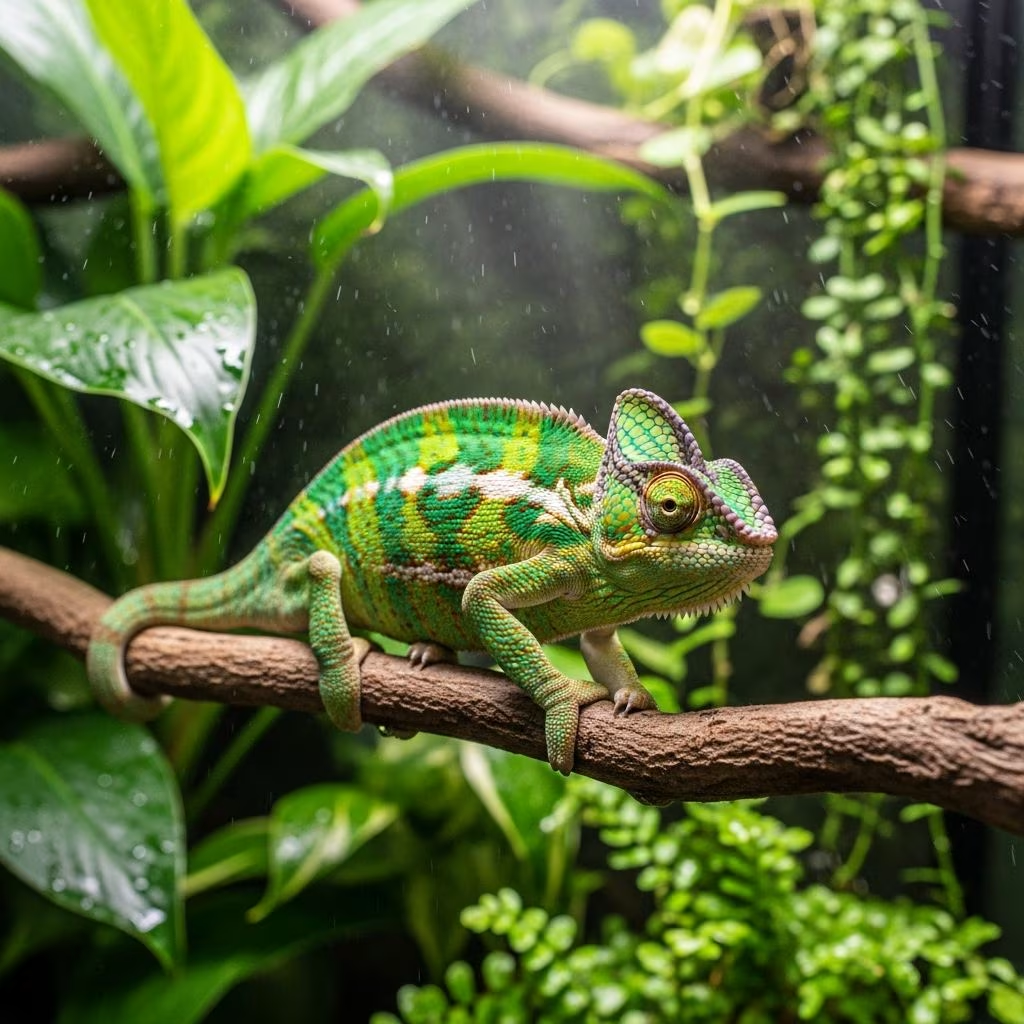
Veiled Chameleon Care Sheet: A Comprehensive Guide
Veiled chameleons are fascinating and colorful reptiles that have captured the hearts of exotic pet enthusiasts worldwide. However, these remarkable creatures require specific environmental conditions, specialized diets, and dedicated care to thrive in captivity. This comprehensive care sheet provides everything you need to know about housing, feeding, maintaining, and caring for your veiled chameleon.
Housing and Enclosure Requirements
Providing an appropriate living space is the foundation of proper veiled chameleon care. Veiled chameleons are arboreal reptiles that spend most of their time climbing and perching in vertical spaces. Unlike terrestrial reptiles, they require tall enclosures that accommodate their natural climbing behavior. The minimum recommended enclosure size for adult veiled chameleons is 24 inches long by 24 inches wide and 36 inches tall, though larger enclosures are always preferable and allow for better temperature gradients and enrichment opportunities. Juvenile chameleons should be housed in habitats with at least 2 feet of space in each dimension, allowing them room to grow while maintaining proper environmental parameters.
Screen-sided enclosures are the preferred choice for veiled chameleons because they allow for proper air circulation, prevent humidity buildup, and make it easier to maintain appropriate lighting conditions. The mesh design also facilitates misting and drainage systems necessary for hydration. Avoid glass aquariums, as they can trap heat and humidity, creating an unsuitable environment for your chameleon.
Branches, Perches, and Enrichment
Your chameleon’s enclosure should contain multiple branches and perches arranged vertically to allow maximum climbing opportunities. Slightly springy wooden perches are ideal as they allow your chameleon’s feet to stretch and rest on softer surfaces, reducing stress and promoting natural behaviors. Reptile vine products also work well as climbing structures. Living non-toxic plants such as pothos and ficus can be incorporated into the enclosure for additional enrichment and to provide young branches for climbing. These plants also contribute to the humidity management system when misted.
Foliage is essential for chameleons to feel secure within their environment. Whether artificial or real, foliage provides excellent coverage that helps your chameleon feel protected. This visual security reduces stress levels and encourages natural behaviors. Additionally, foliage plays a crucial role in your hydration system, as chameleons collect water droplets from leaves rather than drinking from standing water sources.
Temperature and Lighting
Maintaining proper temperature gradients is critical for your veiled chameleon’s health, digestion, and overall well-being. Temperature fluctuations can cause your chameleon to struggle with eating, remain inactive, and become susceptible to infections. A temperature gradient of 70-95°F (20-35°C) should be maintained using an overhead radiant heat source. The basking area, positioned directly under the heat lamp, should reach approximately 85-95°F, with your chameleon’s back about 6 inches below the mesh for optimal heating.
Because your chameleon is arboreal and living in a tall enclosure, the warmest temperatures will naturally occur at the top near the heat lamp, with cooler zones toward the bottom. This natural gradient allows your chameleon to thermoregulate by moving between different levels. At night, temperatures should drop 10-15°F (5-8°C), and heat lamps should be turned off to allow your chameleon to experience the natural day-night cycle.
UVB Lighting
Along with heat lamps and regular day lights, UVB (ultraviolet-B) lighting is essential for your veiled chameleon’s survival and long-term health. UVB bulbs emit rays that help your chameleon synthesize vitamin D into vitamin D3, which is necessary to properly metabolize calcium. Without adequate UVB lighting, your chameleon may develop abnormal behaviors, metabolic bone disease (MBD), fractured legs, and other serious health complications. One quality UVB bulb can make a tremendous difference in your pet’s health and longevity.
Humidity and Hydration
Maintaining appropriate humidity levels is vital for your veiled chameleon’s hydration and respiratory health. Veiled chameleons prefer relatively low humidity during the day and significantly higher humidity at night. During daytime hours, humidity should be maintained between 40-50%. At night, humidity should increase dramatically to 75-90%, as veiled chameleons receive most of their body fluids from breathing in humid air.
Since chameleons will not drink from standing water bowls, hydration must be provided through misting and specialized watering systems. Hand misters work adequately for smaller setups, but a fog or mist system is preferred for consistent hydration. Hatchlings should have access to water droplets twice daily or more frequently. Adults can be misted several times daily, taking care to leave droplets on the leaves of foliage throughout the enclosure.
Automatic drip systems and humidifiers provide constant water availability while reducing the labor involved in manual misting. However, all humidifiers, drip systems, and misting equipment must be cleaned weekly to prevent the buildup of bacteria and molds that could harm your chameleon. Using distilled water in humidifiers and foggers helps prevent mineral deposits and illness.
Feeding and Nutrition
Veiled chameleons are omnivorous reptiles requiring a varied diet of insects and plant matter to maintain optimal health. Young chameleons are more insectivorous, while adults incorporate more vegetation into their diet. Juvenile chameleons should be fed daily, while adult veiled chameleons should be fed every other day, allowing for proper digestion and preventing obesity.
Insect Diet
The invertebrate portion of your chameleon’s diet should consist of high-quality insects including crickets, earthworms, mealworms, silkworms, and cockroaches such as the Madagascar Hissing cockroach. All insects except earthworms must be “gut loaded” before feeding to your chameleon. Gut loading involves feeding insects a high-calcium diet to offset the naturally high phosphorous levels in insects. This process is simple and involves offering live prey high-calcium greens such as collard, mustard, and endive, along with vitamin A-rich vegetables like carrots and squash, for 24 hours prior to feeding them to your chameleon. Enriched chicken feed and commercially available cricket diets designed for gut loading also work effectively, though fresh vegetable-based diets are generally recommended.
Vegetable and Fruit Intake
While insects form the primary diet component for veiled chameleons, vegetables and fruits should be offered regularly in smaller amounts. Leafy greens and vegetables not only provide essential nutrients but also contribute to hydration. Offering a diverse diet helps ensure your chameleon receives all necessary vitamins and minerals for optimal health.
Supplementation
Chameleons are particularly sensitive to vitamin and mineral levels in their diet, requiring careful supplementation. Feeder insects should be lightly dusted with appropriate supplements prior to each feeding according to a specific schedule. Calcium supplements should be dusted at every feeding and should be devoid or low in phosphorus with a minimum calcium-to-phosphorus ratio of 2:1. A calcium supplement containing vitamin D3 should be offered twice monthly. Additionally, a general vitamin and mineral supplement may be offered once weekly for non-breeding adults. Avoid products containing excessive vitamin D, as this can lead to toxicity.
Handling and Behavior
Veiled chameleons are generally solitary creatures that do not enjoy frequent handling. When handling is necessary, it should be done carefully and deliberately. Approach your chameleon with slow, deliberate movements to minimize stress. Position one hand under the front half of the body and carefully unwind the tail with the other hand using gentle pressure.
It is crucial to understand that chameleons do not have the ability to self-amputate their tails like some other reptiles. If the tail is injured or broken, it will not regenerate. Therefore, never pull your chameleon off a branch or your hand forcefully. Instead, push your fingers under the front feet and allow the chameleon to grasp your fingers before lifting it. Handling sessions should be brief and infrequent to minimize stress-related health issues.
Cleaning and Maintenance
Maintaining a clean habitat is essential for preventing bacterial infections and parasites. Spot-clean your chameleon’s habitat daily by removing any droppings and discarded food. A thorough disinfection and cleaning of the entire habitat and all accessories should occur at least once weekly. Always wash your hands thoroughly before and after handling your chameleon or its habitat contents to prevent the transmission of bacteria.
When performing a complete cleaning, rinse all habitat components and accessories thoroughly with water, ensuring all traces of cleaning agents or bleach solutions are completely removed. Allow all items to dry completely before placing new substrate and clean accessories back into the habitat. Return your chameleon to the clean enclosure only after everything is completely dry and no chemical smells remain.
Shedding and Grooming
A healthy veiled chameleon will shed its skin regularly throughout its life. Unlike snakes, which typically shed in one complete piece, chameleons shed their skin in small patches over time. Young, rapidly growing chameleons will shed more frequently than adults. To encourage healthy shedding, continue regular misting to keep your chameleon and its habitat humid. Proper hydration and nutrition also promote healthy skin regeneration.
Veterinary Care
Veiled chameleons should be examined by a veterinarian experienced in exotic reptile medicine at least once annually. Some veiled chameleons are particularly sensitive to stress, which can complicate veterinary visits. To minimize stress, transport your chameleon in a dark, covered carrier or adapted bin with proper ventilation. If possible, arrange for an in-home veterinarian that specializes in exotic pets to examine your chameleon in its familiar environment.
When visiting a veterinary clinic, bring photos of your enclosure, diet, heating equipment, and lighting specifications from packaging so your veterinarian can assess your husbandry practices. Regular fecal parasite testing should be conducted to monitor for parasitic infections. These preventive health measures help ensure your chameleon remains healthy and any issues are identified early.
Essential Supplies Checklist
Before bringing a veiled chameleon home, ensure you have all necessary supplies:
– Appropriately sized habitat (minimum 24″ x 24″ x 36″ for adults)- Thermostat for temperature control- Heat lamp with appropriate wattage- UVB lighting fixture and bulbs- Multiple branches, vines, and perches- Live non-toxic plants (pothos, ficus)- Artificial foliage for coverage- Misting system or hand mister- Automatic drip system or water fountain- Two thermometers (one for cool zone, one for basking zone)- Calcium supplements with and without vitamin D- Cricket keeper and cricket quencher- Feeding dish for vegetables- Cleaning supplies (reptile-safe disinfectant)- Transport carrier for veterinary visits
Common Health Issues
Being aware of common health issues helps you identify problems early. Metabolic bone disease is a serious condition resulting from inadequate UVB lighting or calcium supplementation. Signs include weakness, trembling, and deformities in the legs and jaw. Respiratory infections may develop if humidity levels are consistently too high or if the habitat lacks proper ventilation. Parasitic infections can occur and should be identified through fecal testing. Eye infections may develop if the environment is excessively dirty or if humidity levels are inappropriate. Stress-related illnesses often develop when chameleons are handled too frequently, housed in unstable environments, or kept at improper temperatures.
Creating the Ideal Environment
Success in veiled chameleon care depends on creating and maintaining an environment that closely mimics their natural habitat. The combination of proper enclosure size, temperature gradients, humidity cycles, appropriate lighting, varied nutrition, and minimal stress handling creates conditions where your chameleon can thrive. Remember that veiled chameleons are high-maintenance pets requiring significant time, resources, and knowledge. Only individuals with the dedication and resources to maintain all parameters consistently should consider keeping these beautiful reptiles.
Frequently Asked Questions
Q: How do you take care of a veiled chameleon for beginners?
A: Focus first on establishing an appropriate enclosure with correct dimensions and screen sides. Maintain proper temperature gradients with UVB lighting, provide varied diet with properly gut-loaded insects, ensure adequate climbing and hiding spaces, and keep lighting on a timer. Most importantly, invest time in learning about proper husbandry before bringing your chameleon home.
Q: Are veiled chameleons high maintenance?
A: Yes, veiled chameleons are very high maintenance pets. They become ill or stop eating if any environmental parameters are abnormal even for short periods. Only people with significant time and resources available should keep veiled chameleons.
Q: Do veiled chameleons need a heat lamp at night?
A: No, UVA, UVB, and heat lamps should be turned off at night. Veiled chameleons prefer nighttime temperature drops of 10-15°F. If your enclosure would lose excessive temperature without a heat lamp, lower-wattage night bulbs can be used as an alternative.
Q: Can veiled chameleons be housed together?
A: No, veiled chameleons are solitary creatures and should always be housed individually. Housing them together results in extreme stress and potentially fatal conflicts.
Q: How often should I handle my veiled chameleon?
A: Handling should be minimal and only when necessary. Frequent handling causes stress-related illness. Limit interactions to necessary handling and always use slow, deliberate movements.
Q: What is the lifespan of a veiled chameleon?
A: With proper care, veiled chameleons can live 5-8 years in captivity, with some individuals reaching longer lifespans under optimal conditions.
References
- Veiled Chameleon Care — Chicago Exotics Animal Hospital. https://www.exoticpetvet.com/veiled-chameleon-care.html
- Veiled Chameleon Care Sheet — PetMD. https://www.petmd.com/reptile/veiled-chameleon-care-sheet
- Veiled Chameleon Care Sheet — ReptiFiles. https://reptifiles.com/veiled-chameleon-care-sheet/
- Basic Information for Veiled Chameleon — LafeberVet. https://lafeber.com/vet/basic-information-for-veiled-chameleon/



